
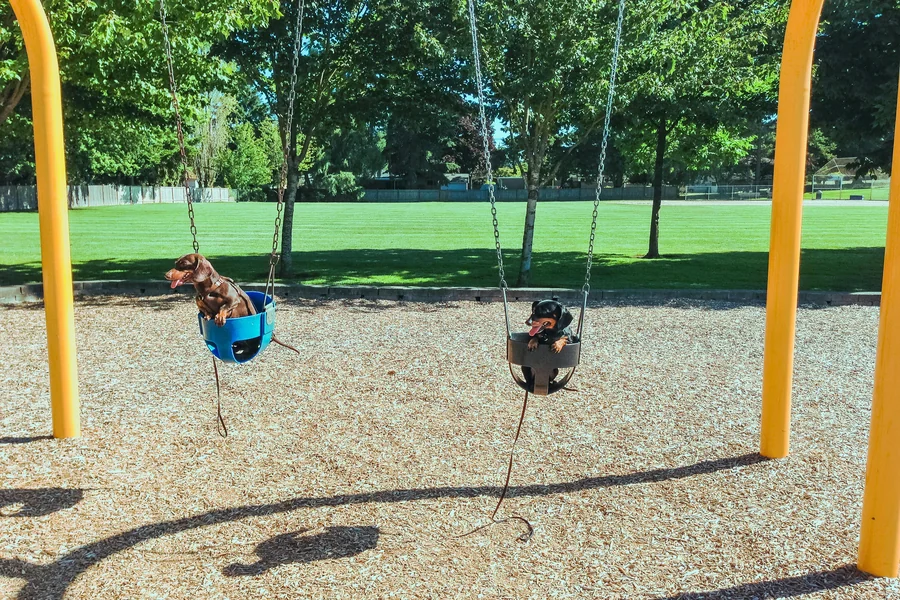
Do you feel like your home’s slowly turning into a pet zone? The sofas turn into scratch posts, your rug feels more fun than fiber, and it feels like living an episode of Tom & Jerry. Guess what? For most of these problems, you can’t even scold your furry friend because of how special they are to you. You love your pet, but you didn’t sign up to live in a space that feels like a half-decorated, half-dog park. The good news? You don’t have to choose between living well and living with animals. Pet-proofing doesn’t have to strip your style. It just needs to be thoughtful. It’s still possible to keep things hygienic and civil without wanting to jump in a boxing ring with your pet. All you need are the right materials and some choices that will put you ahead of the chaos.
Materials that look good and hold up when life gets messy
If you’re constantly vacuuming or yelling “no” every time your dog jumps on the couch, your furniture is the culprit. As weird as that equation sounds, your furniture is likely made of materials that attract fur. Swapping things out doesn’t mean giving up your design, it just means making choices that keep your space livable. Go for performance fabrics that clean easily and resist odor. Microfiber, leather, and treated cotton blends are pet-friendly without looking utilitarian. For rugs, stay away from high-pile anything and opt for flat-weave, washable ones that don’t trap fur. Darker, patterned textiles are your friend, they disguise the day-to-day debris without screaming “I have a pet.” Skip plastic furniture covers. They don’t protect anything and look like you’ve given up. Instead, find throws or slipcovers in colors that work with your décor but can be tossed in the wash weekly. If your space still falls off, stop by a local Amarillo pet store. Many of them stock practical accessories that blend into modern homes – bowls that don’t look like dog dishes, beds that don’t scream kennel. Durable doesn’t have to mean dull. The right setup won’t just survive your pet – it’ll make your life easier too.
Hide the hazards, highlight the habits
Pets are like babies – but unlike a baby, they’re not as sensitive, so you don’t need to padlock every cabinet or bubble-wrap the living room, but you do need to pay attention to the quiet risks. Dogs that chew cords. Cats that knock things off ledges. Puppies treat every shoe like a toy. Most problems can be prevented just by understanding how your pet moves through your space. Use furniture placement over wires and plug covers to keep curious noses out. Keep cleaning products, medications, and anything sharp locked away. Trash bins should have lids, or better yet, live behind closed doors. Houseplants? Double-check they’re non-toxic. Cats love to nibble. You’ll want to make sure they’re not nibbling something that lands them at the vet. Now flip that around: where do your pets want to be? Build that into your layout. Give your dog a window view or your cat a perch near the sun. Put scratchers and toys in the rooms where they spend the most time. You’re not spoiling them – you’re giving them something better to do than destroy your furniture.
Clean smart, not constantly
Here’s the thing about cleaning up after pets: you’ll always do it. But if it occupies your whole day, it means you need effective tools, stat. For example, try vacuuming regularly with a pet-specific model. They are designed to pull the fur from even the hardest spots. Pair it up with a rubber broom for hard floors and a stash of lint rollers near soft surfaces. Store pet wipes near entryways to clean paws. This will guarantee your pets don’t bring in germs from outdoors. It will also protect your furniture from rigid stains. Because the cleaner your house is, the calmer it will feel, even if your dog just finished zoomies through the living room. And don’t forget the air. Pet dander builds fast. Using small fixes like an air purifier will help with allergens, odor, and that unshakable “something smells weird” feeling. If you’re not sure what works best for your home, ask around at your local Amarillo pet store. They’ve usually seen it all, and they know what actually holds up.
Final Words
Pet-proofing isn’t about hiding your animal. It’s about making your home a safe haven for anyone in it. One where the sofa still looks good and your dog doesn’t feel like a visitor. When you do it right, everything will start falling into place. You’ll just notice your space feels easier to live in. And that’s the wind, style that doesn’t come at the cost of sanity.
