
Logistics is evolving at lightning speed. From e-commerce giants delivering packages within hours to global manufacturers transporting complex machinery across continents, the way goods move is changing every day. At the center of this transformation lies a new trend, custom-built vehicles designed specifically for the demands of modern supply chains.
Unlike standard trucks, vans, and trailers, custom-built vehicles are tailored to fit unique business needs. They combine specialized engineering with advanced Technology to deliver efficiency, safety, and flexibility. In industries where speed, precision, and cost optimization are crucial, these vehicles are becoming a game-changer.
Why Standard Vehicles Are No Longer Enough
Traditional vehicles have served logistics well for decades, but supply chains today face challenges that weren’t as prominent in the past:
- Rising e-commerce demand with millions of small, frequent deliveries.
- Urban congestion, where maneuverability and emissions control are critical.
- Specialized cargo such as perishables, pharmaceuticals, or oversized equipment.
- Sustainability goals require fuel-efficient or electric fleets.
- Customer expectations for speed, visibility, and reliability.
Standard trucks and vans can’t always keep up with these needs. That’s why businesses are turning to vehicles that are built for purpose, not just built for transport.
What Are Custom-Built Vehicles?
Custom-built vehicles are designed and engineered with specific functions in mind. Instead of a one-size-fits-all approach, they’re tailored to the type of cargo, delivery routes, and operational requirements of a business.
They may feature:
- Modified chassis or bodies to handle unique loads.
- Refrigeration systems for temperature-sensitive goods.
- Electric drivetrains for eco-friendly urban deliveries.
- Enhanced loading mechanisms for quicker turnaround times.
- IoT-enabled tracking systems for full visibility in transit.
Essentially, these vehicles act as extensions of a company’s supply chain strategy, not just tools for transport.
Benefits of Custom-Built Vehicles in Logistics
The shift to custom-built vehicles is not just about aesthetics or branding; it’s about solving real logistics challenges. Here are the biggest benefits:
1. Improved Efficiency
Vehicles designed for specific tasks reduce downtime and wasted effort. For example, automated lift systems or optimized cargo space layouts speed up loading and unloading.
2. Better Cargo Protection
Specialized builds minimize the risk of damage. Pharmaceutical carriers with temperature control, or trucks designed to transport fragile electronics, ensure products arrive intact.
3. Enhanced Safety
Custom features such as reinforced bodies, stability control, and ergonomic driver cabins make operations safer for both employees and goods.
4. Sustainability Gains
With businesses under pressure to cut carbon emissions, electric and hybrid custom vehicles offer eco-friendly alternatives without sacrificing performance.
5. Competitive Advantage
Faster turnaround times, fewer damages, and lower operational costs translate into better service levels and a stronger market position.
Industries That Benefit the Most
Not every business requires custom-built vehicles, but certain sectors are reaping huge rewards:
- Retail & E-commerce: Custom delivery vans designed for urban navigation and high-volume package handling.
- Healthcare & Pharmaceuticals: Vehicles with strict temperature and contamination controls.
- Food & Beverage: Refrigerated trucks that maintain consistent cold-chain logistics.
- Construction & Heavy Equipment: Reinforced carriers built to transport oversized machinery.
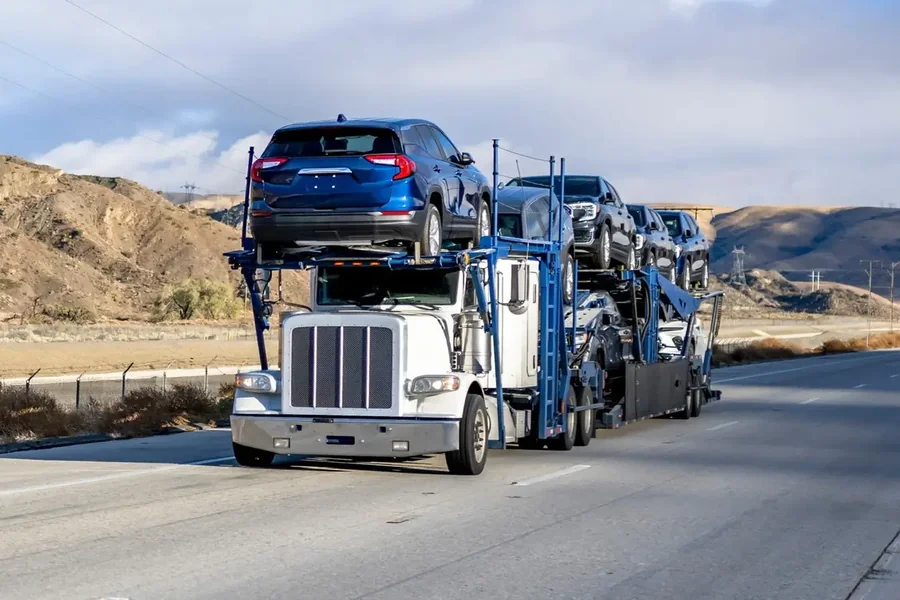
- Automotive: Specialized car carriers for safe and efficient transport.
In each case, the customization aligns directly with industry-specific challenges.
Examples of Custom-Built Vehicle Innovations
Custom-built vehicles are designed with innovation at their core, blending technology with practicality. From electric vans to automated loaders, they solve logistics challenges standard fleets can’t address.
-
Electric Last-Mile Vans
Designed to reduce emissions, these compact vans navigate congested city streets with ease while offering real-time GPS tracking.
-
Temperature-Controlled Trucks
Equipped with IoT sensors, these vehicles maintain precise conditions for perishable goods and send alerts if temperatures fluctuate.
-
High-Capacity Mega Trailers
Built for long-haul routes, they maximize payload while minimizing trips, reducing overall fuel usage.
-
Automated Loading Systems
Trucks featuring mechanical lifts or side doors cut loading times, improving warehouse-to-delivery flow.
-
Specialized Construction Haulers
Reinforced builds that carry heavy machinery safely over rugged terrain.
The Role of Technology in Customization
Technology is at the core of custom vehicle design. Some key advancements include:
- IoT Integration: Sensors monitor cargo conditions, track vehicles, and report performance data.
- AI and Data Analytics: Predictive models optimize vehicle designs for specific delivery routes and cargo types.
- 3D Printing and Modular Design: Enable faster prototyping and cost-effective modifications.
- Electric and Hybrid Powertrains: Meeting sustainability goals while cutting fuel costs.
The combination of smart design and advanced technology makes modern logistics vehicles more than just transport; they’re mobile solutions centers.
Custom Vehicles in Urban Logistics
Cities present unique challenges: traffic congestion, narrow streets, emissions regulations, and rising delivery volumes. Custom-built vehicles designed for urban logistics are addressing these by offering:
- Smaller, agile bodies that fit into tight spaces.
- Quiet electric engines for low-noise deliveries.
- Real-time tracking for customers expecting instant updates.
- Efficient loading doors to speed up frequent stops.
These innovations not only improve efficiency but also reduce the environmental footprint of city logistics.
Global Logistics and Customization
Global supply chains add another layer of complexity. Long-haul transportation across countries and continents requires vehicles that can handle diverse conditions:
- Cross-border compliance features, such as multiple fuel systems.
- Extended-range fuel tanks for remote areas.
- Automated documentation systems for customs efficiency.
- Durable builds to withstand harsh climates.
As trade expands, businesses that invest in custom vehicles position themselves as reliable partners capable of navigating global challenges.
Sustainability and Green Logistics
Sustainability is a key driver of custom vehicle adoption. With governments pushing stricter emissions standards, businesses are investing in eco-friendly fleets. Some approaches include:
- Electric Trucks: Tailored for urban deliveries with charging infrastructure.
- Hybrid Vehicles: Balancing long-haul performance with lower emissions.
- Lightweight Materials: Reducing fuel consumption without compromising safety.
- Solar-Powered Add-ons: Supporting refrigeration units or auxiliary systems.
Custom-built vehicles are at the forefront of building sustainable, future-ready supply chains.
Case in Point: Real-World Adoption
- Amazon: Deploying custom-designed electric delivery vans for last-mile logistics.
- UPS: Testing modular trucks with interchangeable cargo containers.
- Coca-Cola: Using specialized beverage carriers to maintain freshness during transport.
- Tesla Semi: Built specifically for long-haul freight with sustainable electric drivetrains.
Even niche applications, like a side load truck designed for easier loading in crowded spaces, highlight how customization solves specific industry pain points.
Challenges in Deploying Custom Vehicles
While the benefits are clear, businesses also face hurdles when adopting custom-built fleets:
- Higher Initial Costs: Tailored builds require investment.
- Longer Lead Times: Designing and manufacturing specialized vehicles takes time.
- Maintenance Complexity: Repairs may require specialized parts or expertise.
- Scalability Issues: Custom designs may not suit rapid fleet expansion.
- Regulatory Uncertainty: Varying global laws complicate adoption across markets.
Companies must weigh these challenges against the long-term efficiency and competitive edge custom vehicles provide.
The Future of Custom-Built Vehicles in Logistics
The future looks promising as new technologies and design approaches emerge:
- Fully Autonomous Custom Vehicles: Self-driving fleets tailored to specific industries.
- AI-Powered Fleet Optimization: Vehicles designed based on predictive supply chain data.
- Blockchain Integration: Ensuring transparency and accountability in cargo movement.
- 3D-Printed Components: Faster and cheaper customization at scale.
- Circular Economy Logistics: Vehicles designed to optimize both forward and reverse logistics.
As logistics becomes more specialized and customer-focused, the demand for vehicles that are built for a purpose will only rise.
Final Thoughts
Modern logistics is no longer about moving goods from point A to point B; it’s about doing it smarter, faster, safer, and more sustainably. Custom-built vehicles are making that possible. By aligning design with specific industry challenges, these vehicles deliver efficiency and innovation that standard fleets simply can’t match.
From urban deliveries to global trade routes, custom-built fleets are the unsung heroes ensuring the modern economy runs seamlessly. Businesses that embrace this trend today will build supply chains that are agile, resilient, and ready for the future.
In the coming years, the role of custom-built vehicles in logistics will expand even further, powered by technology and driven by necessity. The logistics revolution has begun, and customized fleets are steering it forward.
