
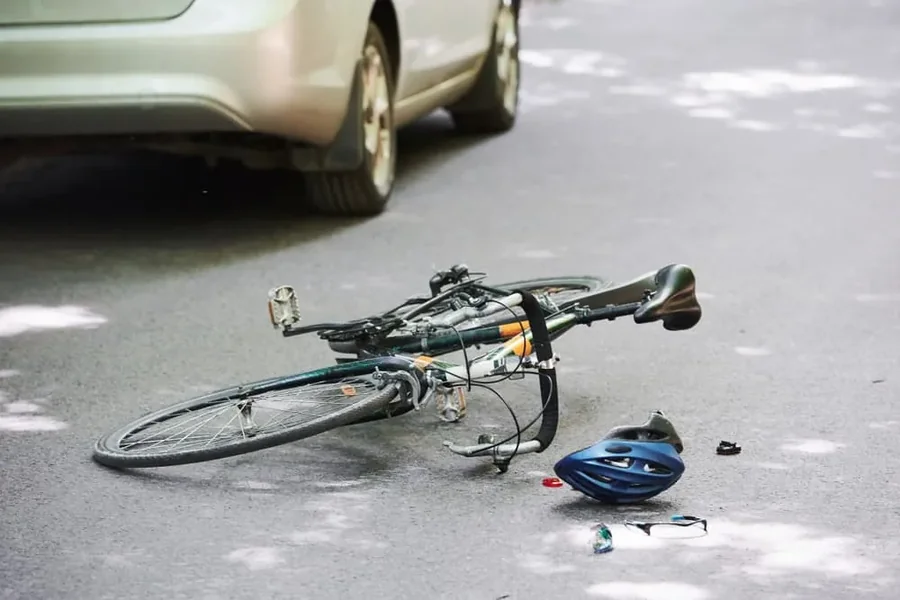
There isn’t a one-size number for every case. California pays injury claims based on proof, not presets. The value of your case turns on liability (who broke which rules), your medical diagnosis and recovery, how the crash changed your life, and the size of the insurance stack. Below is a clear valuation roadmap written the way a bicycle accident lawyer builds and negotiates these claims in Los Angeles.
What You Can Recover (the building blocks)
Economic damages. ER and follow-up visits, physical therapy, imaging, injections/surgery, prescriptions, medical equipment, mileage to appointments, and lost income or diminished earning capacity if injuries limit your work.
Non-economic damages (pain & suffering). Physical pain, anxiety, sleep disruption, loss of enjoyment of favorite activities (riding, running, hiking), scarring, and everyday inconvenience.
Property damage. Your bike, helmet, lights, kit, phone, glasses—plus diminished value for high-end frames and wheels.
Punitive damages (rare). Reserved for egregious conduct (e.g., DUI hit-and-run). Most cases don’t involve punitives, but when they do, value can climb.
Crosswalk Cases: How Fault Is Decided for Cyclists
- Right of way: Drivers must yield to people lawfully in the crosswalk and must approach with due care.
- Riding vs. walking: A cyclist in a crosswalk isn’t automatically treated as a pedestrian everywhere. Whether you were riding or walking can affect how adjusters argue fault—but it does not erase a driver’s duty to keep a proper lookout and slow for hazards.
- Comparative negligence: California uses pure comparative fault. If a jury says the driver is 90% responsible and you’re 10%, your total recovery is reduced by 10%—you still recover 90%. A strong Los Angeles bike accident attorney reduces any unfair percentage by anchoring the claim in the exact rules, video, and physics of the impact. A bicycle accident attorney reduces any unfair percentage by anchoring the claim in the exact rules, video, and physics of the impact.
What Drives Case Value (and why two “similar” crashes settle differently)
- Liability clarity: Neutral video, independent witnesses, and intersection geometry that show the driver failed to yield or was distracted.
- Injury severity & duration: Concussion, fractures, ligament tears, herniated discs, surgeries, hardware, or permanent limitations elevate value; fully resolving sprain/strain cases typically resolve lower.
- Medical timeline: Prompt care (within 24–72 hours), consistent treatment, and objective findings (ROM limits, spasm, neuro deficits) beat sporadic visits.
- Life impact: What you can’t do now (commute rides, group rides, childcare, job tasks) compared to before the crash.
- Insurance layers: At-fault driver’s policy, any employer/commercial coverage (delivery, rideshare), UM/UIM from your own auto policy (yes, it can apply even when you were on a bike), and umbrellas.
- Venue: Major-injury cases in LA County often value higher than in smaller venues due to jury trends.
Real-World Illustrations
Soft-tissue/short-term injuries (no surgery): conservative care for neck/back/shoulder, a few weeks of PT, limited time off work. With clean liability and good documentation, many resolve in the low five figures to mid five figures.
- Moderate injuries (fracture without lasting disability; meniscus/rotator cuff tear; concussion with months of symptoms): documented functional limits and potential future care often place these in the mid to high five figures and can cross into six figures with strong evidence.
- Serious injuries (surgery; multi-fracture; TBI with persistent deficits; spine injury): easily six figures, and multiple six figures or higher when permanent impairment, future surgeries, or career impact are proven—and when adequate coverage exists.
A bicycle injury attorney will pressure-test these scenarios against your facts, medical proof, and the available insurance.
Evidence That Raises (or sinks) Your Number
Raises it:
- Trip/intersection video (storefronts, buses, home cams, dashcams), gathered immediately before it overwrites.
- Photos of lanes, signal heads, stop bars, debris field, bike and vehicle contact points.
- Independent witnesses (names + one-sentence summaries while memories are fresh).
- Medical clarity: early visit, consistent follow-ups, objective findings, provider narratives linking crash mechanics → diagnosis → treatment → residuals.
- Work proof: doctor restrictions, missed time, pay stubs, supervisor letter.
Sinks it:
- Gaps in care with no explanation in your chart.
- “I’m fine!” social posts taken out of context.
- Only subjective complaints—ask providers to record objective exam findings and outcome scores (e.g., Neck Disability Index, Oswestry, QuickDASH).
Crosswalk Specifics Your Lawyer Will Lock Down
- Signal status and timing (was it a walk signal or permissive turn; stale green; flashing don’t walk).
- Approach angles & sight lines (parked SUVs, poles, glare).
- Speed & braking (vehicle data, dash/telematics where available).
- Lighting & conspicuity (night visibility, your lights/reflectors).
- Local rules about sidewalk/crosswalk cycling (to counter inaccurate “you can’t ride there” defenses).
All of this minimizes any attempt to pin blame on you and maximizes the driver’s share of fault.
Where the Money Comes From
- At-fault driver’s bodily-injury liability.
- Commercial/employer policy if the driver was on the job (delivery, service vehicle, rideshare period-dependent).
- Your UM/UIM (uninsured/underinsured motorist) from your own auto policy—often the difference-maker in serious cases when the driver’s limits are low.
- Medical payments (MedPay) on your auto policy (if you have it) for quick medical help regardless of fault.
- Health insurance to keep treatment moving while liability shakes out.
A savvy Los Angeles bicycle accident lawyer maps every layer so money isn’t left on the table.
What to Do Right Now to Protect Value
- Medical care within 24–72 hours (even if you “feel okay”); ask providers to note ROM limits, spasm, neuro signs, and how the crash happened.
- Video canvass the same day (stores/homes/buses); save helmet-cam/dashcam if you have it.
- Photos (intersection, skid/scrape marks, your bike/gear).
- Witness contacts; get short written summaries.
- Report and supplement: get the police report number; if a key fact is missing, submit a short, signed supplemental statement so your version sits in the file.
- Don’t give recorded statements to the other insurer before speaking with counsel.
How a Los Angeles Bike Accident Attorney Maximizes Your Recovery
- Locks down proof fast (video, data, witnesses, signal timing).
- Builds a trial-ready medical story (objective findings, outcome measures, future-care projections).
- Quantifies loss with economists/vocational experts when work capacity changes.
- Times negotiation (demand after stability or credible future-care opinion; mediation after key depositions).
- Explores every policy (driver, employer/commercial, UM/UIM, umbrella) to reach full value.
Talk to a Bicycle Accident Lawyer at Bojat Law Group
If a driver hit you in a crosswalk, you have options—and real leverage when the evidence is gathered fast and presented the right way. Bojat Law Group will secure video before it disappears, prove fault with code-based analysis, and tell your medical story clearly so adjusters (and juries) take it seriously. Speak with a bicycle accident lawyer today. Need a Los Angeles bike accident attorney for a serious injury? We’ve got you covered.
Free consultation. No Win No Fee. Call (818) 877-4878 or contact Bojat Law Group now.
