
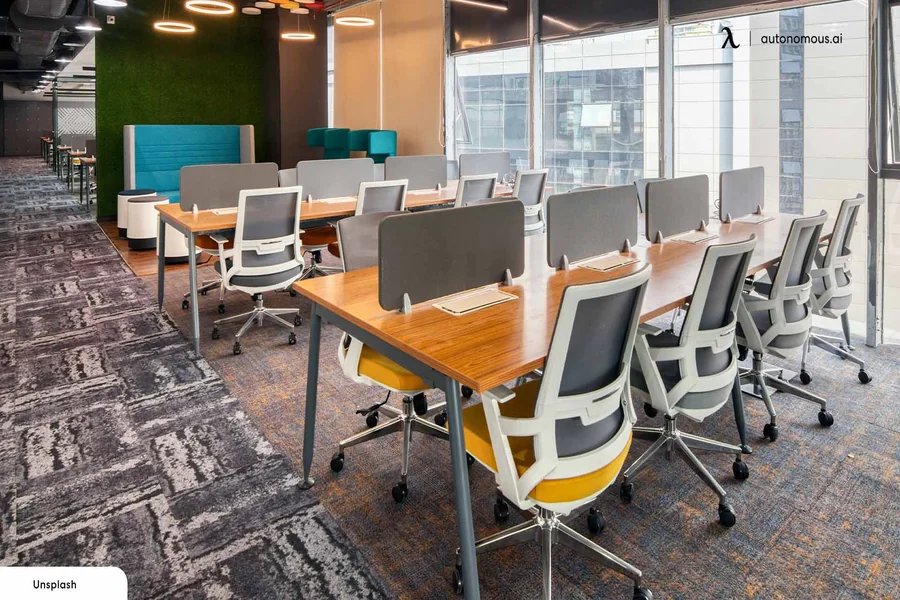
Efficient use of space is vital in today’s business climate, where real estate comes at a premium. Small office environments, in particular, require a strategic approach to furnishing to maximise functionality without sacrificing style. Providing staff with a comfortable and engaging space is paramount for productivity. Therefore, stakeholders must be aware of several critical factors when selecting furniture and designing layout for limited spaces.
Selecting the Right Furniture
Choosing furniture for a small office isn’t just about scales and dimensions, though these are important considerations. It also involves selecting items that serve multiple purposes. Multi-functional pieces can play a huge role in saving valuable space. In addition, the furniture should reflect the company’s image while being ergonomic and comfortable.
In terms of Pimp My Office seating solutions, they offer a variety of options for businesses operating out of compact areas. From ergonomic chairs that support long hours at the desk to stackable designs that can be easily stored when not in use, the selection targets core needs within a small office environment.
Emphasising Space with Design
Design elements are essential in creating the illusion of a more spacious office. Light colours on walls and floors can make a room appear larger, as can strategically placed mirrors. Minimalistic decor styles prevent a small space from feeling cluttered. Pimp My Office spacious designs cater to these needs by combining aesthetics with functionality to enhance the perception of space.
Transparent or glass furniture pieces can be wonderful additions to a small space as they do not impede visuals, thereby increasing the ‘open’ feel of the area. Furthermore, taking advantage of natural light through the layout design can help create a more expansive atmosphere.
Smart Storage Solutions
Storage is one of the most significant challenges in a small office. Traditional filing cabinets are bulky and can consume much-needed space. Instead, consider vertical storage options that take advantage of the height over the width of the room. Wall-mounted shelves and hanging filing systems can free up floor space while keeping essentials within easy reach.
To reduce physical storage needs altogether, businesses can adopt cloud storage solutions for digital file management. This approach not only saves physical space but also enhances office efficiency and security.
Incorporating versatile furniture pieces can significantly enhance the functionality of a compact office space. Opt for modular desks and storage units that can be easily reconfigured to adapt to changing needs. Additionally, selecting furniture from a leading supplier of office furniture in Switzerland ensures access to high-quality, durable options that maximize both style and utility. Consider pieces that offer hidden storage or multi-purpose use, such as desks with built-in filing cabinets or chairs that double as storage units. This approach not only optimizes space but also creates a more organized and efficient work environment, allowing employees to focus on productivity without the distraction of clutter.
The Importance of Flexibility
A small office benefits greatly from flexible layouts that can be adapted according to changing needs, such as expanding teams or varied project types. Furniture on wheels or modular pieces that can be easily reconfigured contribute to a dynamic and versatile office environment. Flexible workstations allow for the quick reshuffling of the office layout, facilitating collaboration or privacy as required.
Ergonomics and Well-being
While navigating the intricacies of small office furnishing, it is imperative not to overlook ergonomics. Employees need comfortable seating options that support posture and reduce strain during long working hours. Similarly, standing desks or adjustable workstations can provide staff with the opportunity to change their working position throughout the day, which is essential for physical well-being.
Pimp My Office modern setups take these considerations into account, offering a range of ergonomic furniture designed to cater to health and comfort in a compact space. Integrating wellness-focused furniture not only maximises the space but also ensures a healthier, happier workforce.
Fostering Collaboration without Crowding
Small offices need areas designated for collaboration without impeding the flow of movement or the function of individual workspaces. Compact, round tables or huddle spaces equipped with technology connections allow for impromptu meetings without the need for a large conference room. Open-plan designs can facilitate teamwork, while ensuring individual spaces are clearly delineated.
Technology Integration
Modern offices, regardless of their size, are dependent on technology. Furnishing should integrate seamlessly with technological needs. Cable management systems built into desks, wireless charging spots, and surfaces capable of housing smart devices are all aspects to consider when furnishing a small office. These features maintain a clean and uncluttered look while ensuring digital tools are always accessible.
Investing Strategically
When furnishing a small office, every investment needs to contribute to space maximisation. Prioritising high-quality, durable furniture saves money long-term as these pieces are less likely to need frequent replacement. Moreover, it’s wise to invest in furniture that can grow with the company, such as modular units that can be expanded or reconfigured as necessary.
Creating a Unique Brand Identity
Ultimately, an office is a physical representation of a brand. Furnishing should resonate with the company’s identity and culture. This branding extends to the selection of colours, textures, and overall decor style. Special attention should be given to reception areas and meeting rooms where clients and visitors form their first impressions of the business.
Consulting the Professionals
Furnishing a small office space effectively is a complex task that benefits from professional insight. Consulting with design professionals can help businesses avoid common pitfalls and create a functional, inspiring, and brand-centric space. An experienced designer can provide tailored solutions that make the most of every square metre. Businesses looking to transform compact workspaces into efficient, comfortable, and visually appealing environments can benefit from consulting experts in Office Furniture Chester, who specialize in creating ergonomic and space-saving office layouts tailored to modern business needs.
Conclusion
Small offices pose unique challenges but also provide the opportunity to innovate with design and furnishings. By leveraging multi-functional furniture, accentuating design to create spaciousness, adopting smart storage solutions, focusing on flexibility, and ensuring ergonomic well-being, businesses can transform even the most confined spaces into productive and inviting environments. With thoughtful planning and strategic selections, companies can fully harness the potential of their compact spaces, fostering both productivity and employee satisfaction.
