
What Is Securities Fraud?
Securities fraud encompasses a range of deceptive tactics executed in financial markets to manipulate investors. These can involve false claims, misleading statements, or concealment of vital information, all of which result in financial decisions based on inaccurate data. According to the FBI, billions of dollars are lost each year due to illicit schemes that mislead investors at every level.
Staying ahead of these threats requires practical knowledge and swift action. If you’re concerned about your exposure to such risks or have already been affected, reaching out to an experienced Minnesota security fraud lawyer can be a critical first step in safeguarding your rights and exploring your options for recovery. A skilled attorney can help you understand your legal rights and guide you through the complex legal process. Early intervention can often prevent further losses and provide a clearer path to resolution. Don’t wait until the situation worsens—taking prompt action can make a significant difference in the outcome of your case.
Why It Matters to Individual Investors
While large institutions might have dedicated compliance teams, individual investors are frequently left to navigate the markets on their own. This makes them particularly vulnerable to fraudulent schemes, which can drain personal savings and devastate retirement funds. Scammers often target individuals who may lack the resources or experience to verify complex investments or recognize subtle warning signs. As highlighted by the Financial Industry Regulatory Authority (FINRA), even skilled investors can become victims due to increasingly sophisticated fraud tactics.
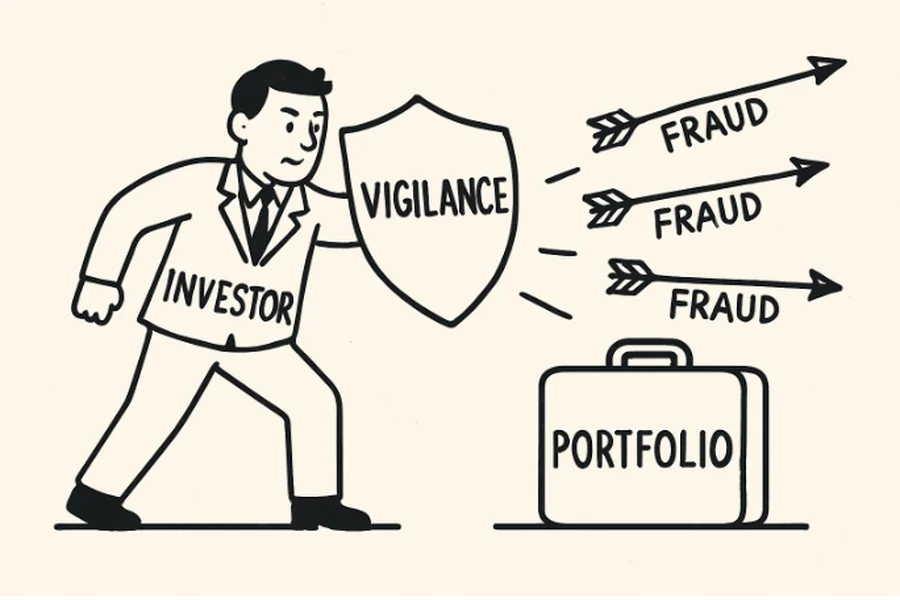
The emotional and financial fallout from securities fraud can be profound, often resulting in a loss of confidence in investment opportunities or long-term economic hardship. Vigilance, research, and awareness of your legal options are vital tools in helping to secure your interests and maintain your financial goals.
Common Schemes and Red Flags
- Ponzi Schemes: These promise high returns supposedly generated from investments, but instead, earlier investors are paid with funds from newer ones.
- Pump-and-Dump: Scammers promote a stock, artificially inflate its value, then sell at the peak, causing a rapid price collapse for others.
- Insider Trading: Profiting from information not available to the general public to gain an unfair advantage.
- Unregistered Securities: Investments not officially filed with regulators, often promoted as exclusive deals or urgent opportunities.
- Affinity Fraud: Targeting members of tight-knit communities by exploiting shared identity or trust to legitimize the fraudulent offer.
Spotting tactics like unsolicited sales pitches, guaranteed returns, and aggressive urgency can help shield your portfolio from irreparable harm.
Recent News and Trends in Securities Fraud
The digital era has enabled new scams to proliferate quickly, with an increasing number of cases linked to social media, digital assets, and cryptocurrency. Over the past year, the Securities and Exchange Commission (SEC) has investigated a sharp rise in illegal investment offerings, including online pump-and-dump operations and fraudulent cryptocurrency platforms. Monitoring the latest SEC enforcement actions can help investors recognize and avoid new trends in dishonest behavior.
News outlets such as Investopedia also publish comprehensive explainer articles and case studies, providing actionable insight into evolving risks for those seeking more background on these ever-changing schemes.
How to Spot Potential Fraud
- Unsolicited Offers: Authentic advisors seldom contact you out of the blue—be wary of unprompted calls, emails, or messages.
- Pressure to Act Quickly: Scammers use urgency to push decisions and prevent verification.
- Complex or Secretive Explanations: If an investment can’t be explained in plain terms, reconsider.
- Lack of Official Paperwork: Always demand documentation, and verify an investment’s registration with both the SEC and FINRA.
- Promises of Unrealistic Returns: If returns seem “guaranteed” or significantly higher than the market average, skepticism is warranted.
Practical Steps to Protect Yourself
- Verify Credentials: Always cross-check the credentials and licensing of investment professionals using FINRA’s BrokerCheck database.
- Conduct Independent Research: Look up the investment across multiple trusted financial sources and official warnings before investing.
- Ask Detailed Questions: Clarity from the outset about how money will be invested and how returns are generated is essential.
- Safeguard Sensitive Information: Never disclose account numbers, login details, or ID information unless you are working with a verified and reputable entity.
- Consult a Financial Advisor: Even for smaller investments, professional advice can help you avoid costly mistakes and scams.
Responding to Suspected Fraud
If you suspect a scam has targeted you or have already suffered losses, immediate action can make a difference:
- Notify your bank or brokerage to freeze compromised accounts or transactions right away.
- Report the incident to authorities, including the SEC and FINRA, using their official complaint forms.
- Store all documents, emails, and communications connected to the investment in a secure place.
- Consult legal counsel if your losses are significant or if you need assistance in recouping funds.
Staying Informed and Educated
Securities fraud continues to evolve at the pace of technology. Building knowledge by following reputable resources and government updates remains the most effective way to protect your investments. Stay up-to-date with current events using outlets like The Wall Street Journal’s Markets section to stay alert to trends and keep your defenses sharp. Additionally, consider consulting with financial professionals who can provide personalized advice tailored to your investment goals. Regularly reviewing your portfolio can help identify potential red flags and prevent losses. Remember, vigilance and education are your best tools in combating financial fraud. Staying proactive is essential to safeguarding your financial future.
Conclusion
Securities fraud remains one of the great risks facing retail investors, but knowledge and vigilance can dramatically reduce your exposure. With the right precautions, a commitment to learning, and proper legal guidance when needed, you can ensure your investments are better protected now and for the future. Utilize resources such as SEC Investor Alerts to stay proactive and help others serve as their own first line of defense against fraud. Additionally, always verify the credentials of financial advisors before trusting them with your investments. Staying informed about common scams and warning signs can significantly decrease the likelihood of falling victim to a scheme. Remember, if something seems suspicious, it’s better to double-check and consult with a professional rather than rushing into unverified opportunities.
