
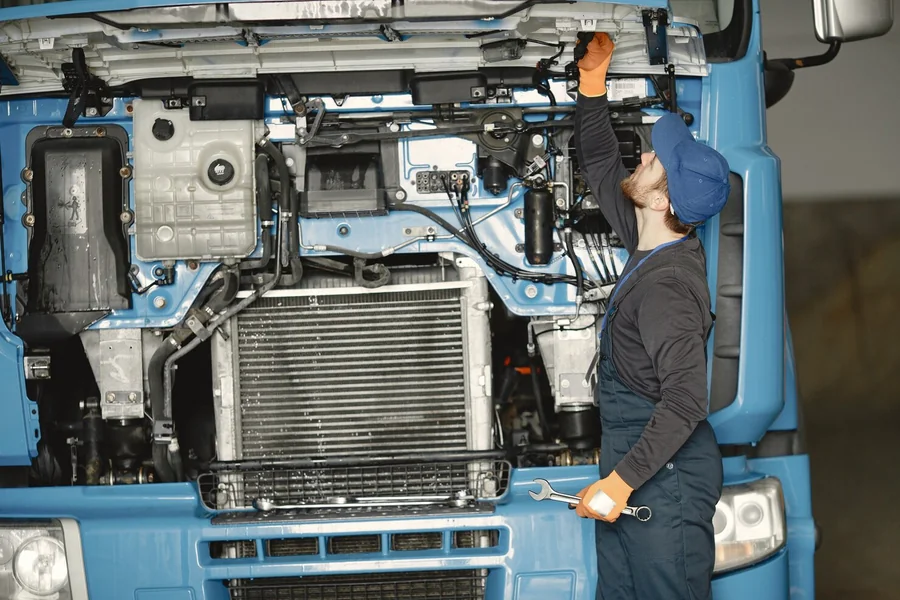
In sectors ranging from construction and transportation to logistics and agriculture, large vehicles like trucks, buses, and heavy gear are essential. Although these machines are designed to be strong and durable, they need to be properly maintained to function at their peak, just like any other piece of machinery. When routine maintenance is neglected, operations may be severely hampered by malfunctions, expensive repairs, fuel inefficiency, and downtime. Fleet managers and operators can optimize the power, efficiency, and dependability of their heavy vehicles and guarantee that they continue to be profitable and reliable assets for many years to come by putting fundamental maintenance techniques into practice.
Frequent Examinations of Engines
Any large vehicle’s engine is its power source, and how well it runs directly affects the vehicle’s efficiency. Leaks, strange noises, and performance changes should all be looked for during routine engine inspections. Because oil lubricates the moving parts, keeps them from overheating, and minimizes wear, routine oil changes are essential. Oil deteriorates and loses its efficiency with time, which increases engine strain and friction. Because clogged filters impede airflow and fuel flow, lowering combustion efficiency and making the engine work harder, replacing the air and fuel filters is equally critical. Regular engine maintenance aids in spotting minor issues before they become serious malfunctions. This strategy guarantees that cars provide steady power with less downtime by increasing engine longevity and reliability.
How to Take Care of Your Tires
Although tires are frequently disregarded, they significantly affect safety, performance, and fuel efficiency. Excess rolling resistance from underinflated tires increases engine power and fuel consumption. Tires that are overinflated or unevenly worn impair handling and raise the possibility of blowouts, which can be catastrophic on roads or construction sites. One of the easiest methods to increase economy is to check tire pressure frequently and make sure it meets the manufacturer’s requirements. While routine alignment and balancing enhance handling and prolong tire life, tire rotation guarantees uniform wear. A systematic tire management program helps fleets cut expenses related to fuel, upkeep, and tire replacements by offering monitoring and uniformity. Smoother rides, more safety, and increased vehicle efficiency are all results of proper tire care.
Professional Servicing on Schedule
Professional servicing is required for thorough care, even if drivers or in-house mechanics can perform daily inspections and routine checks. Certified technicians have the knowledge, equipment, and technology necessary to find hidden problems that might not be obvious at first. They may update software in contemporary cars, tune electrical systems, and make sure safety rules are followed. If you opt for scheduled automotive fleet maintenance, you should lower the chance of unplanned repairs, guaranteeing optimal vehicle performance and assisting fleets in adhering to industry regulations. Businesses can save a lot of money by hiring a professional to undertake preventive maintenance instead of paying for emergency repairs, towing, and prolonged downtime.
Maintenance of Cooling Systems
Because of their strong engines and demanding workloads, large vehicles produce a lot of heat. Controlling engine temperature and avoiding overheating requires a functioning cooling system. In addition to losing power, overheated engines may experience irreversible damage that necessitates expensive rebuilds or replacements. The cooling system is kept in top condition by routinely checking coolant levels, checking hoses for leaks or cracks, and cleansing the radiator in accordance with service schedules. Additionally, by performing preventive maintenance, you can identify problems like broken water pumps or broken thermostats before they become serious. The cooling system guarantees smoother operation, longer component life, and steady power production even under challenging circumstances by maintaining engines at their ideal temperature.
Drivetrain and Transmission Maintenance
Because the drivetrain and transmission are in charge of distributing the engine’s power to the wheels, their upkeep is essential to effectiveness and performance. Since filthy or deteriorated transmission fluid can result in overheating and gear slippage, it should be inspected frequently and changed as needed. Vibrations, sluggish shifting, or strange noises are early indicators that the transmission might require maintenance. To avoid wear and tear, drivetrain parts like axles, differentials, and driveshafts also need to be lubricated and inspected regularly. Ignoring these systems frequently leads to decreased power and fuel economy, as well as eventually expensive repairs. Operators maintain the drivetrain and gearbox to maintain vehicle performance and avoid malfunctions that could interfere with production and schedules.
Businesses may decrease downtime, save fuel, and increase vehicle longevity by implementing a systematic maintenance plan. In the end, preventive maintenance is a wise investment that guarantees big cars continue to be dependable assets, boosting output and profitability in a variety of sectors.
