
The Need for Enhanced Security
The need for robust security measures in transportation hubs has reached a critical point. Airports, train stations, and bus terminals serve as gateways to cities and countries, making them vital components of national security. With increasing threats, the emphasis on ensuring passenger safety has never been more urgent. Traditional methods of security screening, while effective to an extent, often lack the efficiency and precision required in today’s fast-paced environment. This has led to the emergence and evolution of advanced baggage scanner technologies that are changing the landscape of security in transportation hubs.
Emerging Technologies in Baggage Scanning
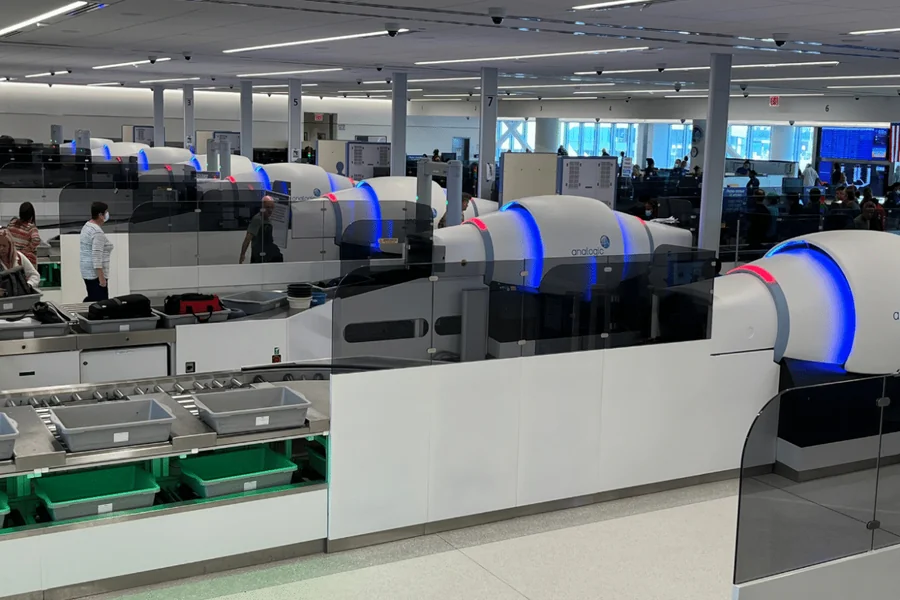
To address the challenges posed by conventional baggage scanning methods, innovative technologies are being developed. Among these, computed tomography (CT) scanning systems have become a front-runner. CT scanners provide high-resolution, three-dimensional images of baggage contents, allowing security personnel to detect prohibited items with greater accuracy. This technology enables operators to rotate the images and analyze them from different angles, significantly reducing false alarms and enhancing the overall security process.
Moreover, the integration of artificial intelligence (AI) is further revolutionizing the capabilities of baggage scanners. AI algorithms can analyze scan data and identify potential threats in real time. This not only speeds up the screening process but also reduces the burden on human operators, allowing them to focus on more complex assessments. The combination of CT scanning and AI is setting a new standard for security protocols, enhancing both efficiency and effectiveness.
Incorporating Machine Learning
Machine learning is another essential aspect of the future of baggage scanning. By continuously learning from vast datasets of scanned luggage, machine learning models can improve their threat detection capabilities over time. This adaptive approach means that as new threats emerge, the systems can evolve and respond accordingly. The implementation of these technologies can lead to a significant decrease in security breaches and a more secure environment for travelers.
Moreover, machine learning can streamline the passenger experience by reducing wait times at security checkpoints. By processing data more efficiently, these systems can expedite the screening process, allowing travelers to move swiftly through security without compromising safety. This balance between security and convenience is essential in maintaining passenger satisfaction and operational efficiency in busy transportation hubs.
Improving Passenger Experience
Passenger experience is a critical consideration in the design and implementation of new baggage scanning technologies. Long wait times and intrusive security checks can lead to frustration and anxiety among travelers. The future of baggage scanning aims to alleviate these concerns by introducing more user-friendly systems. For instance, automated screening lanes equipped with advanced technology can facilitate a smoother flow of passengers. These lanes can adjust scanning rates based on the volume of travelers, ensuring that lines move quickly and efficiently.
Additionally, the use of biometric identification systems can streamline the check-in and boarding processes. By integrating biometric data with baggage scanning technologies, airports can create a seamless travel experience that enhances security without sacrificing convenience. This holistic approach not only improves the passenger experience but also reinforces the security infrastructure, creating a safer environment for all.
Regulatory and Standardization Challenges
As new technologies are implemented in transportation hubs, regulatory and standardization challenges arise. Governments and aviation authorities must establish guidelines to ensure that these advanced systems meet safety and security requirements. It is crucial for stakeholders to collaborate and develop comprehensive regulations that encompass emerging technologies while maintaining high standards of security. This collaboration is vital in ensuring that innovations are not only effective but also compliant with international security protocols.
Furthermore, as technology evolves, there is a pressing need for continuous training and education for security personnel. Operators must be well-versed in using advanced systems to maximize their potential. Investing in training programs will enhance the overall effectiveness of baggage scanning technologies and ensure that personnel are prepared to respond to new threats as they arise.
The Impact of Global Events
Recent global events, such as the COVID-19 pandemic, have further highlighted the importance of secure and efficient baggage scanning systems. The pandemic brought about changes in travel behavior, leading to an increased focus on health and safety protocols. Transportation hubs have had to adapt quickly to these changes, implementing additional measures to protect passengers while maintaining security. Advanced baggage scanning technologies can play a crucial role in addressing these new challenges, offering solutions that cater to evolving travel needs.
As the world rebounds from the pandemic, the travel industry is poised for a resurgence. Innovations in baggage scanning will not only enhance security but also foster confidence among travelers. The integration of health screening measures alongside baggage security processes can create a more comprehensive approach to travel safety, addressing both security and health concerns simultaneously.
Future Innovations on the Horizon
Looking ahead, the future of baggage scanning in transportation hubs is bright. Emerging technologies such as quantum scanning, which leverages quantum physics principles to detect materials with unprecedented precision, may soon join the arsenal of security tools available to airports and transport authorities. Additionally, advancements in scanner miniaturization could lead to portable scanning units, further enhancing the adaptability and effectiveness of security measures.
As the transportation landscape evolves, so too will the need for innovative solutions to meet the challenges of security. By embracing cutting-edge technology and fostering collaboration among stakeholders, the future of baggage scanning promises to create safer, more efficient travel experiences for passengers worldwide. In this rapidly changing world, the evolution of security measures in transportation hubs will remain a top priority, ensuring that safety and convenience go hand in hand.
