
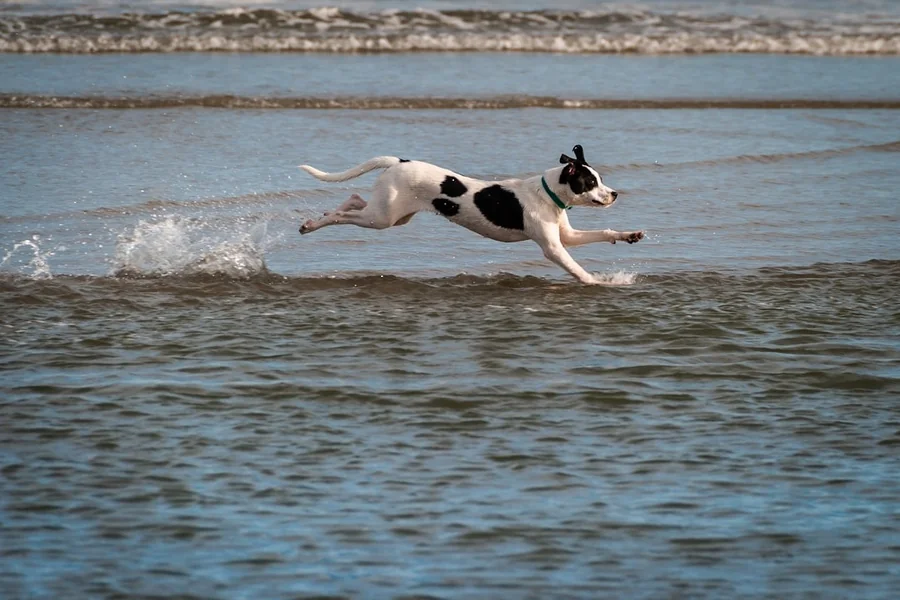
Imagine your dog racing across the yard, fetching a toy with pure joy. This classic game isn’t just fun—it’s incredibly valuable for you and your furry friend. It’s a fantastic way to bond and exercise together.
Good news: anyone can successfully teach dog fetch. The secret? Understanding your pet’s personality and moving at their pace. This applies to puppies and older dogs alike.
Our guide covers every step of the training process. You’ll learn techniques that work for all dogs. We’ll explore more about choosing the right toy and mastering the return command.
This game creates lasting memories while strengthening your connection. It’s great for physical exercise and mental stimulation. Let’s start this rewarding journey together.
Key Takeaways
- Fetch training strengthens the bond between you and your dog while providing essential exercise and mental stimulation
- Any dog can learn to play this game regardless of age or breed with patience and consistent practice
- Success depends on understanding your dog’s unique personality and adapting techniques to their learning style
- The training process involves clear steps from toy selection to mastering the return command
- Proper technique creates a fun, rewarding activity that both you and your canine companion will enjoy for years
Why Fetch is Great for Dogs
Fetch is more than just fun for your dog. It’s a game that boosts their health and happiness. This simple activity has a powerful impact on your pet’s well-being.
Fetch works for dogs of all ages and fitness levels. It’s an adaptable game that offers many benefits. Let’s explore how fetch can enrich your dog’s life.
Physical Fitness Through Play
Fetch provides excellent exercise for your dog. It strengthens their heart and lungs through sprinting and jumping. This natural workout improves circulation throughout their body.
Regular fetch helps manage your dog’s weight. It burns calories and prevents obesity-related health issues. The game also builds lean muscle tone and improves overall strength.
High-energy breeds thrive on fetch. It gives them a positive outlet for their energy. This reduces destructive behaviors at home.
The physical benefits extend beyond the obvious exercise component:
- Improved coordination: Dogs develop better balance and agility through repeated retrievals
- Enhanced endurance: Regular sessions gradually build stamina and athletic ability
- Joint flexibility: The varied movements keep joints mobile and healthy
- Better sleep patterns: Physical exhaustion leads to deeper, more restful sleep
Cognitive Challenges During Retrieval
Fetch engages your dog’s brain in many ways. It keeps their mind sharp and active. Dogs must track the toy’s path and predict where it will land.
The game provides real cognitive exercise. Dogs choose the best route to the toy and navigate obstacles. This mental workout prevents boredom and related behavior problems.
Following commands during fetch reinforces training. It strengthens neural pathways in your dog’s brain. Each retrieval requires processing cues and making quick decisions.
Fetch also teaches problem-solving skills. Dogs learn to retrieve toys from tricky spots. These challenges build confidence and mental flexibility.
Strengthening Your Relationship
Fetch deepens the bond between you and your dog. It creates positive associations with fun experiences. Your dog sees you as a source of joy and excitement.
Trust grows naturally during fetch sessions. Your dog learns to depend on you for interaction. Each throw reinforces clear communication patterns between you both.
Fetch provides quality time that builds emotional security. Dogs need social interaction with their human family. This game satisfies their need for companionship and attention.
The game teaches your dog to focus on you. It creates a natural rhythm of communication. Your dog learns to read your body language better.
Fetch benefits your dog’s physical health, mental sharpness, and emotional well-being. Every throw creates chances for growth and deeper connection. It’s a valuable tool for responsible dog ownership.
Getting Started with Fetch
Fetch training can be fun for you and your pup. Success depends on what happens before the first throw. Proper setup makes training more productive and enjoyable.
Three key elements of preparation are essential. These include selecting equipment, choosing a location, and creating the right atmosphere. Each factor helps your dog learn quickly and enjoy the process.
Selecting the Perfect Equipment
The right toy is crucial for fetch training. Fetch toys for dogs come in various shapes, sizes, and materials. Your dog’s size, age, and chewing habits should guide your choice.
Tennis balls work for many dogs but aren’t ideal for heavy chewers. Rubber balls are more durable and come in different sizes. Frisbees appeal to athletic dogs, while rope toys are softer for gentle mouths.
Safety is key when picking fetch toys. Choose items that fit comfortably in your dog’s mouth. Inspect toys regularly and replace them before they break into dangerous pieces.
Toy Type
Best For
Key Benefits
Considerations
Tennis Balls
Medium to large dogs, beginners
Lightweight, visible, affordable
Not durable for heavy chewers
Rubber Balls
All sizes, strong chewers
Extremely durable, bouncy, safe
Can be heavy for small breeds
Frisbees
Active dogs, athletic breeds
Great for distance, encourages jumping
Requires more skill to throw
Rope Toys
Gentle dogs, indoor play
Soft on teeth, multi-purpose
Less aerodynamic, harder to throw far
Specialized Fetch Toys
Water play, specific training needs
Designed for unique situations
May be more expensive
Locating Your Training Area
Your training location greatly affects outcomes. The best fetch locations are safe, spacious, and have few distractions. Start in controlled areas before moving to more challenging spaces.
A fenced backyard is ideal for most dogs. It prevents runaways and gives your pup room to move freely. You can control the environment and remove potential distractions.
Dog parks work well once your dog knows basic recall commands. They offer space for longer throws and socialization. Visit during quiet hours when starting out.
Quiet fields or empty parking lots are good alternatives. Ensure these areas are safe from traffic and hidden hazards. The best fetch locations always prioritize safety.
Creating an Optimal Atmosphere
Your dog’s mindset and your attitude impact training success. The fetch training environment includes energy, timing, and emotional readiness. Getting these right leads to positive experiences.
Choose times when your dog is alert but not hyperactive. The sweet spot is usually after a light walk but before mealtime. Your own energy matters too.
Approach each session with patience and enthusiasm. Dogs pick up on human emotions quickly. Your positive attitude encourages their participation. Avoid training when your dog is hungry, sick, or stressed.
Keep early sessions short, about 5 to 10 minutes. This prevents fatigue and maintains interest. Gradually extend practice time as your dog builds stamina and enthusiasm.
Consider weather conditions for outdoor play. Choose mild days for initial sessions. Always bring fresh water, regardless of temperature.
Teaching Your Dog the Basics of Fetch
Fetch training requires a clear method that respects your dog’s learning pace. Every dog learns differently, so stay patient and celebrate small victories. Break the game into simple parts that make sense to your furry friend.
The beauty of how to teach fetch lies in its flexibility. You can adjust each stage based on your dog’s response. This approach keeps your dog engaged and confident throughout the learning process.
Breaking Down the Game into Simple Stages
Start by making the toy exciting. Wave it around, squeak it, or roll it on the ground. Let your dog interact with the toy and praise any engagement.
Introduce short tosses of just a few feet. If your dog chases the toy, celebrate with genuine excitement in your voice.
For hesitant dogs, try placing a treat near the toy. This creates a positive association with the toy.
The return phase can be challenging. Toss the toy a short distance, then back up while calling your dog’s name. Clap your hands to create excitement about coming back to you.
Practice the release command by offering a treat for the toy. Say “drop” or “release” while holding the treat near your dog’s nose.
Here’s a practical sequence to follow:
- Build toy interest through playful interaction and letting your dog explore the item
- Toss short distances of 3-5 feet to encourage chasing without overwhelming your dog
- Reward the chase with verbal praise the moment your dog moves toward the toy
- Encourage pickup by making excited sounds when your dog touches or grabs the toy
- Guide the return by backing away and using an enthusiastic, welcoming tone
- Practice the release by trading the toy for a treat or another reward
Spend at least 2-3 training sessions on each stage before advancing. Some dogs learn quickly, while others need several weeks. Both timelines are normal and acceptable.
Using Rewards to Build Success
Positive reinforcement is key in fetch training. It focuses on rewarding desired behaviors rather than correcting mistakes. Your dog learns that bringing the toy back leads to good things.
Use small, soft treats that your dog can eat quickly. Pair treats with verbal praise like “good fetch” or “yes” to strengthen the connection.
Timing is crucial when using rewards. Give the treat within two seconds of the desired behavior. This helps your dog understand what earned the reward.
Vary your rewards to keep your dog motivated. Sometimes offer a treat, other times give praise, or reward with another toy toss. This unpredictability keeps your dog engaged and eager.
Keep training sessions short and sweet. Five to ten minutes of focused practice is better than a long session. End on a positive note, even if you return to an easier step.
Never punish your dog during fetch training. If they lose interest, try again later. Punishment can destroy your dog’s enthusiasm for the game.
Watch your energy level during training. Dogs mirror our emotions, so stay enthusiastic. If you feel frustrated, take a break. Your dog may become confused or anxious otherwise.
Consistency speeds up learning. Use the same commands, rewards, and training space at first. This helps your dog understand expectations and builds confidence in their ability to succeed.
Common Challenges in Fetch Training
Training your dog to fetch can be tricky. Most owners face similar obstacles during this process. Luckily, fetch training problems are usually temporary and fixable with the right approach.
Every dog learns at their own pace. They also have unique preferences. With patience and proper techniques, you can overcome any hurdle.
“The key to successful dog training is not in avoiding mistakes, but in understanding them and using them as stepping stones to progress.”
When Your Dog Shows No Interest
Some dogs don’t understand why chasing a thrown object is fun. This is a common fetch training challenge. Your dog might look confused when you toss a toy.
The solution often lies in making the toy more appealing. Try different toys to find what excites your dog most. Soft plush toys work for gentle breeds.
Building toy value is essential when your dog won’t fetch naturally. Play with the toy yourself to create curiosity. Hide treats inside hollow toys to boost motivation.
Some breeds have stronger chase instincts than others. Herding dogs and retrievers often take to fetch faster. Don’t get discouraged if your dog needs extra time to develop interest.
Start with very short distances of just a few feet. Roll the toy instead of throwing it. Celebrate every small success, even if your dog just looks at the toy.
The Challenge of Getting Items Back
Many dogs master the chase but struggle with the return trip. This creates a frustrating game of keep-away. When your dog won’t return toy items, the game stalls completely.
The two-toy method works wonders for this problem. Keep a second identical toy in your hand. Show them the second one when your dog grabs the first toy.
Most dogs will drop the first toy to investigate the new option. Immediately throw the second toy when they drop the first. This creates a continuous game that rewards returning to you.
Enclosed spaces make training easier during this phase. A hallway or fenced yard prevents your dog from running too far away. Limited space naturally encourages them to return to you for the next throw.
A long training leash provides gentle guidance without force. Attach a 15-20 foot leash and use light pressure to guide your dog back. Reward them heavily when they return, even if the leash helped.
Make yourself more interesting than the toy. Crouch down, clap your hands, or run in the opposite direction. These actions trigger your dog’s natural instinct to follow you.
Managing Too Much Excitement
Some dogs get too worked up during fetch. They can’t focus or follow directions. Overexcited behavior includes jumping, barking excessively, or refusing to listen to commands.
Teaching calm behavior before the chase is crucial. Make your dog sit and wait before each throw. Don’t toss the toy until they settle down and make eye contact with you.
Incorporate cool-down breaks every few throws. Stop the game completely for 30-60 seconds. Practice a simple command like “sit” or “down” to help your dog regain composure.
Use shorter training sessions for high-energy dogs. Five minutes of focused fetch beats twenty minutes of chaotic play. Multiple brief sessions throughout the day work better than one long session.
Teach impulse control through “wait” and “release” commands. Hold the toy ready to throw but make your dog hold position. This builds self-control muscles that transfer to other areas of training.
Avoid ramping up energy with your own behavior. Stay calm and use a normal speaking voice. Your emotional state directly influences your dog’s energy level.
Challenge Type
Common Causes
Quick Solutions
Time to Improve
Lack of Interest
Wrong toy type, no toy value established, breed characteristics
Try different toys, build value through play, use treat-filled toys, start with rolling instead of throwing
1-3 weeks
Won’t Return
Keep-away is more fun, insufficient reward for returning, too much space to run
Two-toy swap method, train in enclosed areas, use long leash for guidance, make yourself exciting
2-4 weeks
Overexcitement
Too much stimulation, no impulse control training, long sessions
Require sit-wait before throws, add calm breaks, shorter sessions, teach release commands
3-6 weeks
Inconsistent Behavior
Environmental distractions, varying training methods, irregular practice
Train in familiar locations first, maintain consistent commands, practice daily at same times
2-5 weeks
These fetch training challenges are normal parts of the learning process. Every dog works through obstacles at their own speed. Maintain a positive attitude and celebrate small victories along the way.
Consistency in your approach makes the biggest difference. Use the same commands, rewards, and techniques each session. Your dog will learn faster when they know what you expect.
Advanced Fetch Techniques
Advanced fetch training turns a simple game into an exciting challenge. It strengthens skills and deepens your bond with your dog. Once your dog reliably brings items back, you can explore new fetch game variations.
These techniques keep your dog mentally sharp. They also make playtime more rewarding for both of you. You’ll find new ways to engage your dog’s mind and body.
Creative Game Variations
Water fetch is great for breeds that love swimming. Use lakes, rivers, or kiddie pools for a refreshing twist. Start in shallow water and slowly move to deeper areas.
Hill and stair fetch adds a physical challenge. It builds muscle strength by making your dog work harder. This variation is perfect for high-energy breeds needing extra exercise.
Directional fetch teaches decision-making skills. Throw multiple toys and ask your dog to get a specific one. Use cues like “Get the red ball” or “Find the rope”.
Distance challenges push retrieval abilities further each session. Start at your normal throwing distance. Then, gradually increase it over several weeks. This progression builds endurance and strengthens the retrieve instinct.
Hide-and-seek fetch combines two favorite games. Hide the toy while your dog waits, then release them to search. This enhances problem-solving abilities and uses their natural scenting talents.
Group Play Sessions
Multiple dog fetch needs careful management. Watch how your dog reacts to other dogs during regular play first. This helps ensure safe, fun play for everyone.
Resource guarding can happen when dogs compete for toys. Look for stiff body language, growling, or possessive behavior. If you see these signs, return to individual play sessions.
Turn-taking sets fair play rules to prevent conflicts. Teach each dog to wait while another retrieves. Use a “Wait” command and reward patience with treats and praise.
Equal participation keeps all dogs engaged. Throw toys in different directions for simultaneous retrieves. Switch which dog goes first to maintain balance and prevent dominance issues.
- Start group sessions with well-socialized dogs who already play well together
- Use multiple identical toys to reduce competition
- Supervise closely during the first several sessions
- Separate dogs immediately if tension escalates
- Keep sessions short to prevent overstimulation
Clicker Training Methods
Clicker training for fetch offers precise communication. It speeds up learning by marking exact moments of correct performance. This creates clear links between actions and rewards.
Begin by charging the clicker through basic exercises. Click and treat until your dog understands the sound means rewards. This lays the groundwork for effective fetch training.
Mark desired behaviors at each fetch stage. Click when your dog picks up, turns toward you, and releases the toy. This breakdown helps dogs understand which actions earn rewards.
Gentle mouth carry becomes easier to teach with clicker precision. Click when your dog holds the toy softly. This works well for dogs who tend to play roughly.
Targeted drops teach your dog to release items in specific spots. Click when the toy lands on a target. Increase distance as accuracy improves.
Clicker methods work best for dogs who like structured learning. Some dogs thrive on precision, while others prefer freestyle play. Adjust your approach based on your dog’s personality.
Add these advanced techniques slowly, one at a time. Your dog needs time to master each variation. This builds confidence and keeps the game fun.
Safety Tips for Fetch Training
Taking a moment to consider safety can prevent injuries during fetch. Understanding fetch safety tips helps protect your dog from potential hazards. A few simple precautions make all the difference between fun and accidents.
Safe fetch training starts with awareness of surroundings and your dog’s physical condition. Every environment presents different challenges. Every dog has unique needs and limitations.
Finding the Perfect Play Space
The location you choose for fetch impacts your dog’s safety and enjoyment. Open spaces with good visibility allow you to spot potential dangers. Parks, fenced yards, and wide-open fields often provide ideal settings for safe play.
Watch out for common environmental hazards that could hurt your pet. Always play far from roads and parking areas. Steep drop-offs and deep ponds can turn fun into scary situations quickly.
Check the ground surface before starting your game. Hot pavement can burn your dog’s paw pads during summer. Sharp objects like broken glass hide in grass and dirt.
Weather conditions affect dog exercise safety during fetch sessions. Extreme heat increases heatstroke risk. Icy conditions make running treacherous. Rain can reduce visibility and create slippery surfaces.
Knowing When Your Dog Needs a Break
Dogs often want to keep playing even when their bodies need rest. Learning to recognize fatigue signs protects your pet from overexertion. Excessive panting with the tongue hanging far out indicates your dog is working hard.
Physical changes in movement tell you important information. A dog might start trotting or walking slowly. Some dogs will lie down between throws or take longer to return.
Mental confusion can accompany physical tiredness. Your dog might seem distracted or reluctant to play. He may drop the toy before reaching you or wander away.
Certain breeds face higher risks during intense exercise. Brachycephalic dogs struggle to breathe efficiently and overheat faster. Senior dogs and puppies also tire more quickly and need frequent rest periods.
Selecting Safe Toys and Items
The items you use for fetch directly affect your dog’s safety. Many common choices actually pose serious risks. Sticks rank among the most dangerous fetch items despite their popularity.
Wooden sticks can splinter and cause severe injuries to your dog’s mouth. Sharp pieces may puncture soft tissue or become lodged between teeth. Veterinarians regularly treat dogs for stick-related injuries.
Size matters when selecting fetch toys for preventing injuries. Toys that are too small present choking hazards. Balls should be large enough that your dog cannot fit them entirely in his mouth.
Inspect toys regularly for signs of wear and damage. Torn rubber toys can break into pieces dogs might swallow. Frayed rope toys with loose strings pose strangulation risks. Replace worn items immediately.
Avoid items made with toxic materials or containing harmful substances. Some cheap toys contain lead or other dangerous chemicals. Objects with sharp edges should never be used for fetch games.
Following these fetch safety tips ensures this beloved activity remains enjoyable. Your attention to safety details shows your dog how much you care.
Making Fetch a Fun Experience
Fetch can become a cherished activity for you and your dog. Keep sessions fresh and exciting to maintain long-term enthusiasm. Add variety and establish routines to make fetch a sustainable habit.
Innovation keeps tails wagging. Adjust timing and introduce creative twists to keep your furry friend engaged. The possibilities for fun are endless with this simple game.
Building Consistent Play Habits
Short, focused fetch sessions offer great benefits when scheduled regularly. Your dog will look forward to these special moments. Even 10-minute sessions can energize your pup and set a positive tone.
Morning or evening sessions work well. They offer a chance to bond while giving your dog needed exercise. Consistency is key in establishing a rewarding routine.
Practical ways to maintain your daily dog exercise routine:
- Combine fetch with regular walks by bringing a lightweight toy along
- Schedule pre-meal fetch sessions to help high-energy dogs settle before eating
- Dedicate weekend mornings to extended play when you have more time
- Keep fetch toys near the door as a visual reminder
- Set phone reminders during busy weeks to maintain consistency
Even five minutes of fetch counts as quality time. Don’t let a busy schedule stop you from playing with your dog. Every moment spent together strengthens your bond.
Innovative Play Variations
Creative fetch ideas prevent boredom and challenge your dog’s mind. Simple changes can transform the game entirely. These variations keep your dog engaged and excited session after session.
Glow-in-the-dark toys make nighttime fetch fun. This works well during short winter days. Your dog will love chasing illuminated objects through the darkness.
Seasonal adaptations add natural variety throughout the year. Beach fetch lets dogs enjoy water retrieval. Snow fetch creates new textures and scents. Spring and fall offer perfect temperatures for park sessions.
Try these creative fetch ideas to add excitement:
- Obstacle course fetch: Set up simple agility items like cones or tunnels between throws
- Treasure hunt style: Hide the toy after throwing and encourage your dog to use their nose to find it
- Command integration: Ask for sits, downs, or spins between retrieves to practice obedience
- Multiple toy rotation: Throw different items to maintain interest and prevent fixation
- Distance variations: Alternate between short tosses and long throws for varied intensity
These changes turn fetch into engaging training games. Your dog won’t just run—they’ll think, problem-solve, and learn new skills. It’s a great way to stimulate both body and mind.
Building Social Connections
Fetch offers chances for social dog play. It benefits both shy and outgoing dogs. Playdates with fetch-loving dogs improve social skills and create positive associations.
Dog parks are ideal for social fetch play. Bringing a ball attracts friendly dogs. This shared interest often breaks the ice between hesitant pups.
Dogs are not our whole life, but they make our lives whole.
— Roger Caras
Ways to encourage social connections through fetch:
- Attend organized fetch events or dock diving competitions in your area
- Invite neighbors with dogs over for backyard fetch sessions
- Join local dog sports clubs that incorporate fetch activities
- Use fetch as an icebreaker when meeting new dog owners on walks
- Include children in family fetch time to strengthen household bonds
Supervise carefully when multiple dogs play together. Some dogs may need separate turns before learning to share space during fetch. Safety should always come first.
Fetch strengthens your bond with minimal effort. Every playful moment becomes a treasured memory. Whether trying new variations or building social connections, fetch brings joy to both you and your dog.
Conclusion: Enjoying Fetch Together with Your Dog
Teaching your dog fetch creates years of active play and bonding. Every dog learns differently, so celebrate small wins. Your investment now builds a foundation for countless happy moments outdoors.
Key Takeaways from Your Training Journey
You’ve learned fetch techniques that suit your specific dog. Choosing the right toy is crucial. Safe environments protect your pet during play.
Positive reinforcement leads to lasting fetch training success. Solutions exist for common challenges like toy disinterest. Advanced variations keep experienced dogs engaged.
Safety awareness prevents injuries and exhaustion. Keep an eye on your dog’s energy levels.
Your Path to Fetch Mastery
Building lifelong dog training habits takes patience. Your dog might master fetch quickly or need weeks of practice. Both are normal.
Keep sessions short and fun. Watch your pet’s energy levels. Adjust your approach based on their responses.
Fetch is more than exercise. It strengthens trust between you and your canine companion. Each throw and return deepens your bond.
Start training with confidence. You have the knowledge to succeed. Your dog is ready to learn. The playing field awaits you both.
Begin today and discover the joy of this simple yet rewarding game.
FAQHow long does it typically take to teach a dog to fetch?
Learning fetch varies by dog’s age, breed, and personality. Some dogs grasp it quickly, while others need weeks of practice. Retrievers often learn faster, sometimes within days.Other breeds might need two to four weeks of regular training. Patience and consistency are key. Short, positive sessions of 10-15 minutes work best.Remember, every dog learns differently. Celebrate small wins to make it fun for both of you.
What should I do if my dog chases the toy but won’t bring it back?
Use two identical toys. Show excitement about the second toy when your dog grabs the first. Practice in a hallway or fenced area to encourage returning.A long training leash can gently guide your dog back. Make yourself interesting by running away or using an excited voice. Always reward your dog for steps toward you with the toy.Study Fetch offers additional resources and video demonstrations for these techniques.
Is fetch safe for puppies, or should I wait until my dog is older?
Fetch is safe for puppies with modifications. Keep sessions short, use lightweight toys, and throw short distances on soft surfaces. Avoid repetitive jumping or sudden direction changes that stress growing joints.Focus on interest and gentle returns rather than intense running. Consult your vet about exercise levels for your puppy. Gradually increase intensity as your dog matures.Building a foundation with gentle puppy fetch creates a lifelong love for the game.
What type of toy works best for teaching fetch?
The best fetch toy depends on your dog’s size and preferences. Tennis balls work for many medium to large dogs. Rubber balls from brands like KONG are durable and come in various sizes.Soft fabric or rope toys suit dogs with sensitive mouths. Frisbees are great for athletic dogs. Some dogs prefer squeaky toys or irregular bounces.Try 2-3 different toy types to find what excites your dog most. Ensure toys are the right size to prevent choking risks.
My dog gets too excited and won’t calm down during fetch—what can I help?
Build in “calm breaks” by requiring your dog to sit before each throw. Start with just 3-4 throws per session, then take a break. Practice “wait” or “stay” commands before releasing your dog.Keep your own energy moderate to avoid overstimulating your dog. Use fetch as a reward after calming exercises. Shorter, frequent sessions work better for dogs struggling with self-control.Consult a professional trainer or Study Fetch for behavior modification techniques if needed.
Can I teach an older dog to fetch if they’ve never played before?
Absolutely! Adult and senior dogs can learn fetch with patience. Start by building interest in toys through gentle play. Associate toys with treats and celebrate any interaction.Break training into smaller steps: focus on interest, chasing, picking up, and returning. Adjust distance and intensity for older dogs’ physical limitations.Keep sessions short to avoid fatigue. Many senior dogs enjoy learning new things, and fetch provides gentle exercise.
How can I play fetch safely in hot weather?
Play during cooler parts of the day and avoid midday heat. Check pavement temperature with your hand before playing. Choose grassy areas instead of asphalt or sand.Keep sessions short (5-10 minutes max) and provide frequent water breaks. Watch for signs of overheating like excessive panting or disorientation.Consider water fetch in a kiddie pool as a cooling alternative. Never leave water bowls in direct sun.
Should I use treats during fetch training, or will my dog play just for fun?
Using treats during fetch training improves success rates. They create positive associations and motivate dogs not naturally interested in retrieving. Use small, high-value treats that your dog loves.Reward your dog for each step of the fetch process. Gradually reduce treat frequency as your dog becomes more proficient. Some dogs will eventually play fetch purely for fun.The goal is for fetch itself to become rewarding. Continuing to use occasional treats is fine if it keeps your dog engaged.
Is it okay to play fetch indoors?
Indoor fetch works well, especially for small dogs or during bad weather. Use soft, lightweight toys that won’t damage furniture. Clear a space of breakable items and obstacles.Keep throws gentle and low to avoid encouraging jumping. Set boundaries for which rooms are off-limits. Indoor fetch is great for mental exercise and light physical activity.For high-energy dogs, indoor fetch should supplement, not replace, outdoor exercise.
My dog loves to fetch but gets possessive of the toy—how do I handle this?
Never chase your dog or forcefully take the toy. Use two identical toys and create excitement about the second one. Teach a solid “drop it” command using positive reinforcement.Practice trading the toy for high-value treats. If your dog shows serious resource guarding, consult a professional trainer. Some dogs do better with tug toys where sharing is part of the game.Study Fetch offers additional behavior modification techniques for possessive tendencies.
Can fetch training help with my dog’s behavioral issues?
Fetch can help with certain behavioral problems. It provides an outlet for excess energy and helps impulsive dogs practice self-control. Fetch builds focus and improves general obedience.However, it shouldn’t replace professional training for serious issues. Some problems may require reducing high-arousal activities like fetch temporarily. Consult a certified trainer for significant behavioral challenges.They can assess whether fetch should be part of your dog’s behavior modification plan.
What’s the difference between fetch and other retrieving games?
Traditional fetch involves throwing a visible item for your dog to chase and return. Find it games use scent work to locate hidden items. Water retrieves introduce swimming for low-impact exercise.Directed retrieves involve multiple items, teaching dogs to fetch specific ones. Tug-fetch combinations blend retrieving with interactive play. Each variation offers different benefits for exercise and training.Explore more fetch variations through training platforms to add variety to your play sessions.
