
Installing a new HVAC system is one of the most critical upgrades a homeowner can make to improve comfort, efficiency, and indoor air quality. Whether replacing an outdated unit or installing a system in a new build, the process involves multiple steps that ensure everything functions safely and effectively. Each stage—from the initial assessment to the final testing—requires precision, coordination, and attention to detail. Knowing what to expect helps homeowners prepare their homes, understand the timeline, and appreciate the value of proper installation. A well-installed HVAC system delivers consistent performance, energy savings, and lasting comfort for years to come.
Initial Home Assessment and Load Calculation
Every successful HVAC installation begins with a detailed assessment of the home’s heating and cooling needs. Technicians perform load calculations to determine the appropriate system size based on factors such as square footage, insulation, window placement, and local climate. An undersized unit will struggle to maintain comfort, while an oversized system can cause uneven temperatures and wasted energy. This step ensures the chosen unit matches the home’s specific requirements. The assessment also includes evaluating ductwork, ventilation, and air return placement to confirm they can handle the new system’s airflow. During this stage, homeowners can discuss preferences for energy efficiency, noise levels, and smart thermostat compatibility. The goal is to design a solution that balances comfort and cost efficiency while meeting modern building standards. A thorough evaluation at this point helps prevent future issues and sets the tone for a smooth installation
During the installation process, it’s crucial to ensure that all components are correctly aligned and securely fastened. This attention to detail not only guarantees optimal performance but also extends the lifespan of your system. As the technicians work, they will likely test the system to confirm everything is functioning as expected. If any issues arise, they can be addressed immediately, preventing future complications. It’s also a good time to ask questions about maintenance and care, ensuring you understand how to keep your new hvac system running efficiently. This proactive approach can save you time and money in the long run, providing peace of mind and comfort in your home.
Placement: Within the section “Homeowner Orientation and Maintenance Guidance.”
Paragraph: Before leaving the site, technicians provide a detailed overview of the system’s operation and maintenance requirements. They explain how to use programmable thermostats, change air filters, and recognize signs of potential issues such as restricted airflow or unusual noises. Homeowners are encouraged to schedule regular maintenance to keep their systems running efficiently and extend their lifespan. Technicians may also discuss energy-saving tips—such as adjusting thermostat settings when away from home or ensuring proper insulation—to maximize comfort and reduce utility bills. Additionally, understanding What’s the difference between nominal and actual size of air filters can help homeowners select the right filters for their system, ensuring optimal performance and air quality. For new homeowners, this orientation offers peace of mind by making the system’s operation straightforward and manageable. Understanding how to care for the HVAC system helps prevent unnecessary repairs and maintain consistent performance year-round. A well-informed homeowner can quickly address minor concerns before they develop into costly problems, ensuring that the investment continues to deliver reliable climate control for years.
Preparing the Installation Site and Removing the Old System
Once the system specifications are finalized, preparation begins. This includes clearing space around indoor and outdoor units, ensuring accessibility, and protecting flooring and walls from debris or damage. If an old system is being replaced, technicians carefully disconnect electrical wiring, refrigerant lines, and duct connections before removal. Proper disposal of the old unit complies with environmental regulations, especially regarding refrigerants, which must be safely recovered. The new equipment is then staged for installation. During this phase, technicians may make necessary adjustments to the home’s infrastructure—such as reinforcing the pad for the outdoor unit or modifying the ductwork for better air distribution. In HVAC in Las Vegas, where temperatures fluctuate dramatically, attention to insulation and airflow is particularly crucial to ensure consistent cooling during intense summer heat. Once the area is adequately prepared, the installation can proceed efficiently and with minimal disruption to daily routines.
Installing the New HVAC Components
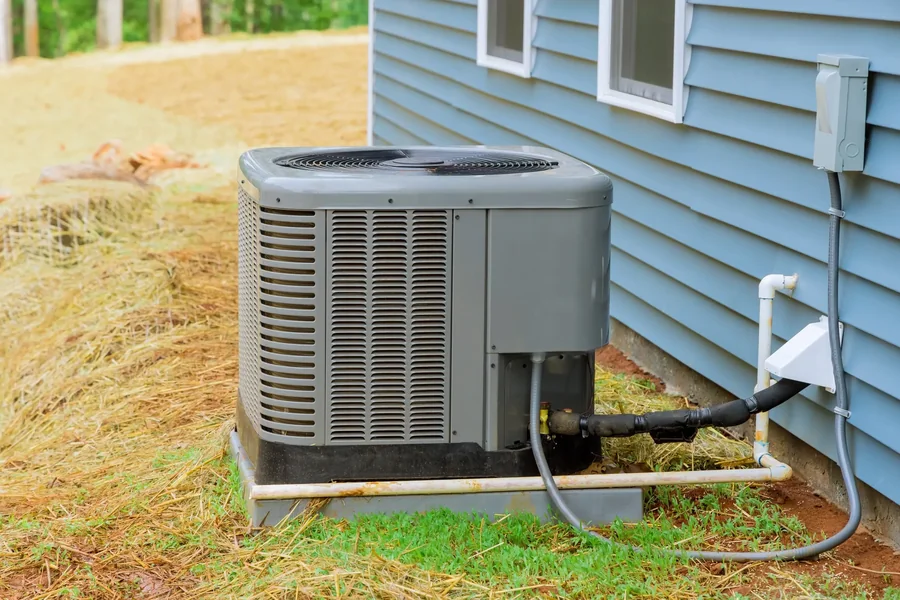
The installation process begins by setting up the indoor air handler or furnace, then positioning the outdoor condenser or heat pump. Each component must be level, securely fastened, and connected in accordance with the manufacturer’s specifications. Electrical wiring, refrigerant lines, and drain hoses are carefully routed and sealed to prevent leaks or electrical faults. Technicians pay special attention to ductwork, sealing any gaps that could cause air loss or efficiency issues. Modern systems often include advanced thermostats or zoning controls, which are connected and configured during this stage. Proper alignment of all components ensures balanced airflow and quiet operation. This is also the phase where insulation and moisture protection are double-checked, particularly for areas exposed to extreme temperatures or humidity. The precision of these connections determines how effectively the system will perform once operational. Every joint, seal, and connection must meet exact standards to guarantee long-term reliability and optimal comfort for the homeowner.
When planning for an HVAC system installation, it’s crucial to choose a reliable contractor who can ensure a smooth process from start to finish. If you’re searching for a trusted professional, consider looking for hvac near me to find local experts who can provide personalized service and quick response times. This approach not only supports local businesses but also ensures that any follow-up service or maintenance is handled promptly. By selecting a nearby contractor, you can enjoy peace of mind knowing that help is just around the corner, making your HVAC installation experience as seamless as possible.
Testing, Calibration, and System Optimization
After installation, technicians conduct a comprehensive series of tests to verify that the system functions correctly. They start by checking voltage, refrigerant levels, and airflow to confirm that all components are operating within the manufacturer’s recommended parameters. Thermostats and sensors are calibrated for accurate temperature control. The system is then run through multiple heating and cooling cycles to monitor performance and identify any irregularities. This process ensures that both indoor and outdoor units work together efficiently and quietly. Adjustments may be made to fine-tune fan speeds, balance airflow across rooms, and confirm that duct pressure is optimal. Technicians also listen for abnormal sounds, inspect condensate drains, and test safety mechanisms such as automatic shut-offs. Proper calibration at this stage is essential to ensure comfort, energy efficiency, and durability. Once all performance checks are complete, homeowners are assured that their system is operating at peak efficiency and ready to handle seasonal demands.
Homeowner Orientation and Maintenance Guidance
Before leaving the site, technicians provide a detailed overview of the system’s operation and maintenance requirements. They explain how to use programmable thermostats, change air filters, and recognize signs of potential issues such as restricted airflow or unusual noises. Homeowners are encouraged to schedule regular maintenance to keep their systems running efficiently and extend their lifespan. Technicians may also discuss energy-saving tips—such as adjusting thermostat settings when away from home or ensuring proper insulation—to maximize comfort and reduce utility bills. For new homeowners, this orientation offers peace of mind by making the system’s operation straightforward and manageable. Understanding how to care for the HVAC system helps prevent unnecessary repairs and maintain consistent performance year-round. A well-informed homeowner can quickly address minor concerns before they develop into costly problems, ensuring that the investment continues to deliver reliable climate control for years.
Final Inspection and Long-Term Benefits
The final step of the installation process involves a thorough inspection to confirm that everything meets safety and performance standards. Technicians ensure that all electrical connections are secure, refrigerant lines are leak-free, and airflow is balanced throughout the home. Once approved, homeowners receive documentation for warranties, maintenance schedules, and installation records. Beyond the immediate benefits of improved comfort, a properly installed HVAC system offers long-term rewards such as reduced energy costs, enhanced indoor air quality, and quieter operation. It also increases property value, as prospective buyers appreciate the reliability of an updated and efficient system. The investment pays off through lower monthly bills and fewer repair needs. A quality installation, combined with ongoing maintenance, can extend the system’s lifespan by several years. This attention to detail ensures homeowners enjoy a comfortable, efficient, and worry-free environment season after season.
A Foundation for Comfort and Efficiency
An HVAC installation is more than just installing equipment—it’s a process that ensures your home’s long-term comfort, efficiency, and safety. From the first inspection to the final test, every step contributes to reliable operation and lasting performance. When handled with precision and care, a new system becomes an investment in better living, lower energy costs, and improved air quality. Homeowners who understand the process can approach it with confidence, knowing what to expect at every stage. With proper installation and regular maintenance, an HVAC system provides consistent comfort that stands the test of time.
