
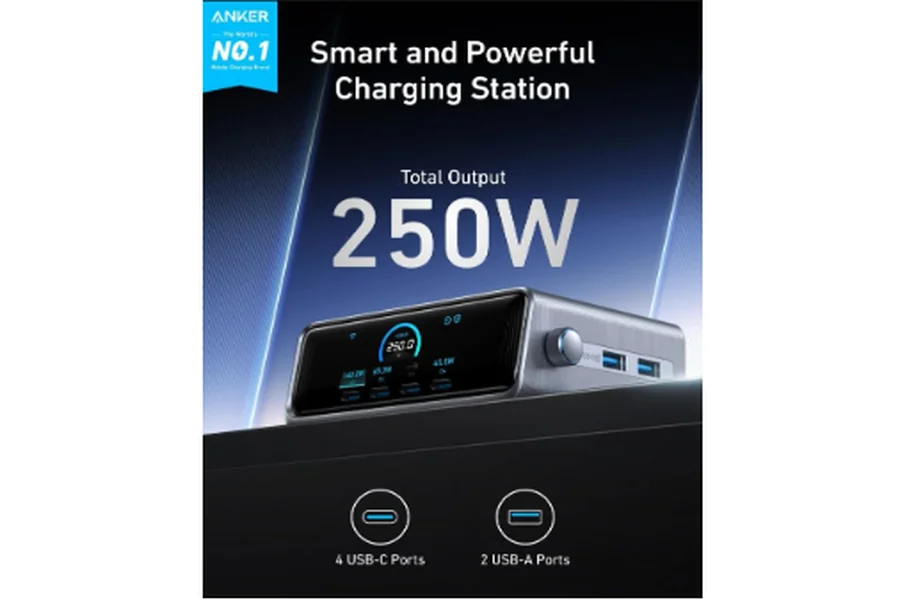
A fantastic multi-device charger keeps all of your devices charged and organized. A dependable charger can help you manage your charging schedule for smartphones, tablets, and computers. The finest alternatives combine port diversity, rapid charging, safety, and compatibility in a single elegant product. With so many chargers on the market, it’s easy to fall into the trap of purchasing one that looks nice but works poorly. This article delves into the necessary characteristics, appropriate use situations, and sophisticated technologies to look for when selecting a charger that properly suits your electronic lifestyle.
What Core Features Should A Quality Multi-Device Charger Have?
Number & Type of Ports
A decent charger should include the correct combination of ports—typically USB-C for newer devices and USB-A for older ones. With at least three to five ports, it’s ideal for families or tech-savvy consumers. Look for PD (Power Delivery) USB-C connectors, which enable quick charging and high-wattage devices such as laptops. Avoid chargers that overwhelm obsolete ports. A well-balanced assortment allows you to charge your phone, tablet, wristwatch, and earphones at the same time. If the charger contains AC outlets or wireless charging mats, that’s ideal. Port versatility guarantees that you do not have to acquire extra adapters or dongles.
Power Output & Fast-Charging Support
Total wattage is important. If you wish to efficiently power many gadgets, a premium charger should provide at least 60W. Chargers of 100W or more can power computers, tablets, and phones simultaneously without slowing down. Fast-charging capability, via standards such as USB Power Delivery (PD) or Qualcomm Quick Charge (QC), guarantees that your devices charge rapidly and safely. Some chargers transfer power dynamically based on the device’s demands, increasing efficiency. Avoid chargers with low output that trickle charge numerous devices. Always check to see if each port is powered individually or if they share a single output; this can have a considerable impact on charging speed.
Safety Protections & Build Quality
Safety should never be sacrificed. A dependable charger incorporates built-in safety features such as overvoltage, overcurrent, short-circuit, and temperature control. These features safeguard both the charger and the devices it is connected to. Cheap chargers frequently bypass safety checks, posing a fire danger. Look for UL, CE, or FCC certifications to verify safety compliance. Durable materials, heat-resistant polymers, and sturdy couplings all indicate that the device will endure longer. Detachable power cords, stronger joints, and anti-slip features all improve use. Cutting corners on safety features may save you money in the short term, but it risks causing long-term damage to your gadget.

How Do Usage Scenarios and Device Mix Impact Your Choice?
Home vs Office vs Travel Use
Home users may want a bigger charger with numerous ports and a higher wattage to handle family electronics. Offices benefit from streamlined desktop chargers that organize cables and accommodate laptops. When traveling, size and weight become major factors. A little GaN charger with foldable connectors and a few adaptable connections is perfect for your carry-on. Wall-mounted alternatives or travel kits with interchangeable plugs are ideal for regular fliers. Always think about how many and what kinds of gadgets you’ll need in each environment. A charger designed for travel will not fit a desktop, and vice versa.
Device Compatibility: Phones, Tablets, Laptops, Wearables
Each gadget draws a varying amount of electricity. Phones and wearables generally require less than 18W, tablets about 30W, and laptops up to 100W. If you use a variety of gadgets, you’ll need a charger that can adjust to different power requirements. Check for compatibility with manufacturers such as Apple, Samsung, Lenovo, and more. Avoid chargers with set outputs that cannot support your power-hungry laptop. Smart identification technology is useful since it customizes power delivery based on the connected device. Compatibility enables effective charging and avoids overheating, sluggish performance, or, worse, battery degeneration over time.
Cable Management & Space/Clutter Considerations
A messy charging station might spoil the appearance of your desk or nightstand. Multi-device chargers with built-in cable management features, such as cable grooves, magnetic bases, or detachable holders, keep everything organized. Vertical designs conserve horizontal space, whereas under-desk installations minimize visual clutter. Some chargers have integrated stands for phones or tablets, making them suitable for both charging and viewing. A wireless charging pad eliminates the need for cords entirely. Consider where you’ll place the charger and how many wires will extend from it. Good cable management is more than simply aesthetics; it enhances use and increases the life of your cords.
Is It Worth Investing in Premium Charger Technologies?
Gan (Gallium Nitride) Chargers & Miniaturisation
GaN technology makes chargers smaller, lighter, and more efficient than previous silicon-based devices. GaN chargers produce less heat and provide more power in a smaller package, making them perfect for travel and minimum settings. A 65W GaN charger may be as tiny as your palm while providing enough power to charge a MacBook. While they are frequently more expensive, their performance and convenience make them a good long-term investment. GaN also improves temperature management and increases device longevity. If mobility, performance, and durability are important, GaN is a good investment.
Smart Charging Features (Power Allocation, Device Recognition)
Smart charging is more than just a term. It offers real-time power allocation, allowing each port to deliver exactly what your device requires. Automatic device identification prevents overcharging and improves speed without compromising safety. Some chargers halt electricity to fully charged devices and redistribute it to those in need. This dynamic charging saves time while increasing energy efficiency. Chargers with LED indications and associated applications offer even more control. Smart features eliminate guessing and guarantee that all connected devices are handled appropriately. Over time, these features improve battery health, making smart charging a useful improvement.
Future-Proofing: More Devices, Evolving Standards
Technology advances swiftly. Investing in a future-ready charger saves you from having to update with each new device. Look for USB-C PD 3.1 capability, which enables increased power on newer laptops and gadgets. Extra ports, flexible designs, and firmware upgrades let your charger last longer. Support for wireless charging, Qi2, or custom fast-charging protocols can assure compatibility with future phones and wearables. A future-proof charger also accommodates the expanding usage of home technology, such as smartwatches and portable game consoles. Think beyond your existing configuration. The correct charger evolves alongside your devices while reducing electrical waste.
Conclusion
Choosing a great multi-device charger isn’t just about power—it’s about balance. For your laptop and earphones to run smoothly, you need a combination of ports, smart safety, and high wattage. Whether using the charger at home, at work, or while traveling, think about how and where you’ll use it. The investment is justified by the future-ready advantages that cutting-edge technologies like GaN and smart charging provide. Making the correct choice can help you reduce clutter, speed up charging, and safeguard your gadgets over time. Instead of settling for just any charger, pick one that complements your electronic environment and way of life.
