
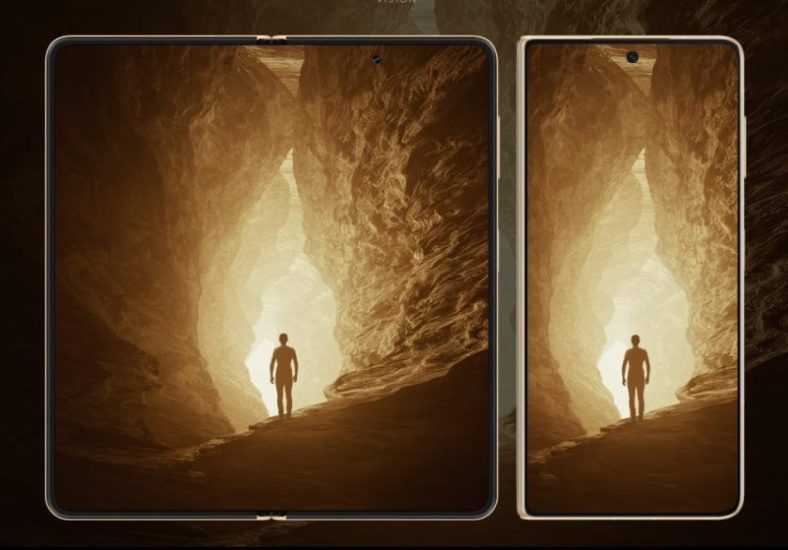
Choosing between a foldable screen phone and a traditional smartphone depends on how you use your device daily. Foldables promise innovation with flexible displays and larger screens, while traditional smartphones focus on reliability and practicality. Each has strengths that appeal to different users, whether you prioritize portability, performance, or productivity. Understanding these distinctions helps you make a smarter buying decision for your next upgrade.
Key Differences Between Foldable Screen Phones and Traditional Smartphones
Form Factor and Display Flexibility
Foldable phones offer a dual experience—compact when closed and tablet-like when unfolded, ideal for multitasking and media viewing. Traditional smartphones maintain a solid, single-screen design optimized for durability and one-hand use. The flexible OLED technology in foldables delivers immersive visuals, though it adds mechanical complexity. Models like the HONOR Magic V5 specs highlight how refined foldable designs now combine sleek aesthetics with advanced usability.
Durability and Mechanical Complexity
Durability is a major consideration for foldable phones. Their hinges and flexible screens are more prone to wear and damage over time, even with strengthened glass and protective coatings. Traditional smartphones, built with fewer moving parts, tend to last longer with less maintenance. While foldables keep improving, users who need a sturdy, worry-free device for rough conditions might still find conventional smartphones a safer investment.
Cost, Repairability, and Resale Value
Foldable phones are premium devices with high production costs, often exceeding flagship smartphone prices. Their intricate design makes repairs expensive and parts harder to replace. Traditional smartphones, on the other hand, are easier and cheaper to fix, contributing to better resale value over time. Buyers should weigh upfront excitement against long-term practicality, as foldables currently command a steeper ownership cost throughout their lifespan.
Performance, Battery Life, and Software Experience
Processing Power and Multitasking Capabilities
Foldables often feature top-tier processors and generous RAM, delivering powerful multitasking experiences. The larger screen area supports split-screen use and productivity apps efficiently. Traditional smartphones, while equally powerful in high-end models, offer a simpler, more focused interface. Users seeking laptop-like multitasking on a compact device benefit more from foldables, whereas those valuing performance with straightforward usability may prefer a standard smartphone setup.
Battery Efficiency and Charging Realities
Foldable phones consume more power due to dual displays and higher refresh rates. Although they come with larger batteries, their efficiency often lags behind traditional phones. Charging speeds are improving, yet traditional smartphones still provide longer single-screen endurance and quicker top-ups in daily use. Users prioritizing battery longevity over screen versatility will likely appreciate the energy balance of conventional smartphones more.
Software Support, App Optimization, and Longevity
Foldables face unique software challenges. Not all apps are optimized for flexible displays, sometimes leading to inconsistent user experiences. However, brands are working with developers to improve compatibility. Traditional smartphones enjoy mature ecosystems with years of fine-tuned optimization and dependable updates. While both types receive long-term software support, foldable devices still have room to grow before matching the seamless polish of classic smartphones.
Use Cases and Which One Fits Your Lifestyle
Media Consumption, Productivity, and Multitasking Needs
Foldables excel for users who stream content, work remotely, or handle multiple tasks simultaneously. The expanded display feels like carrying a tablet in your pocket—perfect for editing documents or watching videos comfortably. Traditional smartphones, though smaller, offer reliable performance for everyday communication and quick access to apps. If productivity and immersive visuals matter, a foldable wins; for straightforward media and calls, traditional options suffice.

On-the-go Simplicity, Pocketability, and One-Handed Use
Traditional smartphones remain unmatched in convenience. Their slim, lightweight designs fit easily into pockets and can be used comfortably with one hand. Foldable phones, while more portable than tablets, are still bulkier and require two-handed operation in most cases. Commuters or minimalists often prefer the simplicity of traditional phones, while tech enthusiasts willing to trade compactness for innovation may lean toward foldables.
Budget, Value for Money and Future Proofing
Traditional smartphones provide exceptional value with proven reliability and lower ownership costs. Foldables, though expensive, represent the frontier of smartphone evolution, appealing to those who want cutting-edge tech and early adoption prestige. As prices drop and technology matures, foldables will become more accessible. Until then, budget-conscious buyers get better value from conventional flagships, while trendsetters invest in foldables for their forward-looking appeal.
Making the Decision: How to Choose Smartly
When choosing between the two, assess your daily habits, budget, and device priorities. Heavy multitaskers or tech lovers may find foldables worth the investment. However, if reliability, comfort, and longevity matter most, a traditional smartphone remains the sensible pick. Research thoroughly, read reviews, and consider warranty coverage before purchasing. The smartest choice aligns not with trends but with your personal lifestyle needs.
Conclusion
Foldable phones mark a new era of innovation, offering versatility and immersive use, while traditional smartphones stand firm in dependability and efficiency. Each suits a distinct user profile—early adopters who crave novelty versus practical users valuing familiarity. The right choice depends on your goals, budget, and comfort with evolving technology. Whatever you choose, ensure it enhances your daily routine and delivers lasting satisfaction.
