
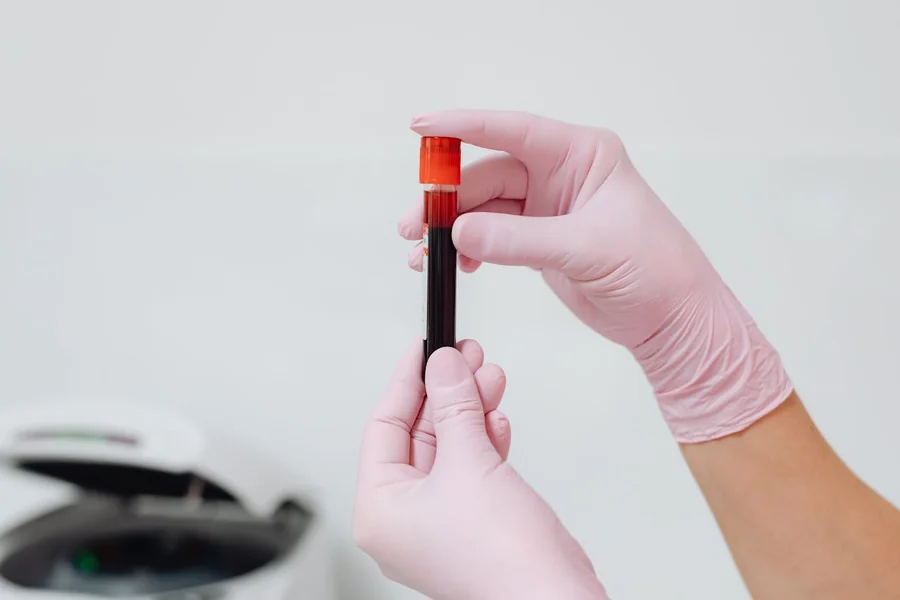
Diagnostic laboratories form an essential part of modern healthcare, working behind the scenes to provide the information doctors need to diagnose and treat patients effectively. Every day, millions of laboratory tests are performed across various facilities, from small clinics to large hospital systems, each contributing vital data about patient health.
These laboratories employ sophisticated technology and highly trained professionals who analyze everything from simple blood samples to complex genetic material. Whether you’re getting routine blood work or specialized testing for a specific condition, understanding what diagnostic laboratories do and the services they offer can help you feel more informed about your healthcare experience.
Blood Work and Routine Panels
Blood tests represent the most common type of diagnostic laboratory service, providing insights into overall health status and specific organ function. A complete blood count reveals information about red blood cells, white blood cells, and platelets, which can indicate infections, anemia, or blood disorders.
Metabolic panels assess kidney function, liver enzymes, blood sugar levels, and electrolyte balance. These routine tests are typically performed at hospital laboratories, outpatient clinics, standalone diagnostic centers, and some physician offices with on-site capabilities.
Genetic Testing Services
Genetic testing analyzes DNA to identify inherited conditions, assess disease risk, or determine how patients might respond to certain medications. This type of testing has expanded significantly, now covering everything from carrier screening for prospective parents to pharmacogenomic testing that guides medication selection.
Results can reveal predispositions to conditions like heart disease, certain cancers, or neurological disorders. Specialized genetic testing laboratories, academic medical centers, and some commercial diagnostic companies offer these services through healthcare provider referrals.
Microbiology and Infection Detection
Microbiology laboratories identify bacteria, viruses, fungi, and parasites that cause infectious diseases throughout the body. These labs culture samples from various body sites to grow organisms and determine which antibiotics will effectively treat the infection.
Testing turnaround times vary depending on how quickly organisms grow, with some bacteria appearing within hours while others require days. Hospital-based microbiology departments, reference laboratories, and public health laboratories all provide these essential diagnostic services.
Wound Pathogen Testing
When wounds show signs of infection such as increased redness, warmth, or drainage, pathogen testing identifies the specific microorganisms causing the problem. Laboratory technologists culture the wound sample on specialized growth media and use various techniques to pinpoint the exact bacteria or fungi present.
This information proves crucial because different pathogens respond to different antimicrobial treatments, making targeted therapy possible. Wound culture services are available through laboratories, like Lab Pros, along with wound care centers, infectious disease specialty labs, and comprehensive reference laboratories that serve multiple healthcare facilities.
Hormone and Endocrine Testing
Endocrine laboratories measure hormone levels to diagnose conditions affecting glands like the thyroid, adrenal glands, and reproductive organs. These tests help identify diabetes, thyroid disorders, hormonal imbalances, and metabolic conditions that affect energy and growth.
Hormone testing requires precise measurement techniques since many hormones exist in very small concentrations in the blood. Testing is typically available through general clinical laboratories, endocrinology specialty centers, fertility clinics, and comprehensive diagnostic facilities.
Immunology and Allergy Testing
Immunology laboratories assess how the immune system functions and identify specific allergens triggering adverse reactions in patients. These facilities test for autoimmune diseases where the body attacks its own tissues, immunodeficiencies that increase infection risk, and allergic sensitivities to foods or environmental substances.
Specialized assays measure antibodies, immune cell counts, and inflammatory markers that reveal immune system activity. Services are offered through hospital immunology departments, allergy specialty clinics, rheumatology centers, and reference laboratories with immunology expertise.
Cancer Screening
Early cancer detection laboratories process samples specifically designed to identify malignancies before symptoms appear or in their earliest stages. These tests include Pap smears for cervical cancer, stool tests for colorectal cancer, and blood tests for prostate-specific antigens or tumor markers.
Pathologists examine tissue samples and fluid specimens under microscopes, looking for abnormal cells that indicate cancer development. Screening services are provided by doctors offices, such as Medical First, as well as hospital pathology departments, independent pathology laboratories, specialized oncology centers, and national reference laboratories with dedicated cancer detection programs.
Toxicology and Drug Monitoring
Toxicology laboratories detect and measure drugs, medications, and toxic substances in body fluids to ensure therapeutic levels or identify harmful exposures. These tests monitor patients taking medications with narrow therapeutic windows where too little is ineffective and too much is dangerous.
Workplace drug screening, suspected overdose evaluation, and medication compliance monitoring all fall under toxicology services. Hospital emergency departments, occupational health clinics, pain management centers, and forensic laboratories provide various types of toxicology testing.
Molecular Diagnostics and Advanced Testing
Molecular diagnostic laboratories use DNA and RNA analysis to detect genetic mutations, identify infectious organisms, and characterize diseases at the molecular level. These advanced techniques can identify organisms that are difficult to culture, detect minimal residual disease in cancer patients, and predict disease progression.
The technology enables personalized medicine approaches where treatments are tailored to individual genetic profiles. Academic medical centers, specialized reference laboratories, biotechnology companies with clinical services, and cancer research institutes offer these cutting-edge diagnostic capabilities.
Coagulation and Hemostasis Testing
Coagulation laboratories specialize in testing how well blood clots, which is critical for patients on blood-thinning medications or those with bleeding disorders. These tests measure clotting factors, platelet function, and the time it takes for blood to form stable clots.
Physicians use this information to adjust anticoagulant dosages, diagnose clotting disorders like hemophilia, and assess bleeding risks before surgical procedures. Hospital-based hematology departments, anticoagulation clinics, specialized hemostasis centers, and cardiovascular surgery programs routinely provide coagulation monitoring services.
Urinalysis and Kidney Function Assessment
Urine testing laboratories analyze chemical composition, microscopic elements, and physical properties of urine to detect kidney disease, urinary tract infections, and metabolic disorders. A urinalysis can reveal the presence of protein, glucose, blood cells, bacteria, or crystals that indicate various health problems. In addition to clinical testing environments, at-home and point-of-care testing solutions from 12 Panel Now provide convenient options for initial screening and ongoing monitoring, helping individuals and organizations access reliable urine test kits without visiting a laboratory.
These tests are particularly valuable for monitoring chronic conditions like diabetes and hypertension that affect kidney function over time. Most clinical laboratories including hospital facilities, urgent care centers, primary care offices with lab capabilities, and nephrology specialty practices offer comprehensive urinalysis services.
Cytology and Tissue Pathology
Cytology laboratories examine individual cells from body fluids or tissue scrapings to detect cancer and precancerous changes at the cellular level. Pathologists trained in cellular analysis review slides prepared from samples collected during procedures like Pap smears, fine needle aspirations, or fluid drainages.
This microscopic examination can identify malignant cells, inflammatory conditions, and infectious agents affecting various body sites. Hospital pathology departments, independent cytology laboratories, women’s health centers, and specialized cancer diagnostic facilities provide these detailed cellular examinations.
Cardiovascular and Cardiac Marker Testing
Cardiac laboratories measure specific proteins and enzymes released into the bloodstream when heart muscle is damaged or stressed. These biomarkers help diagnose heart attacks, assess heart failure severity, and evaluate chest pain to determine if it represents a cardiac emergency.
Troponin levels, brain natriuretic peptide, and other cardiac markers rise rapidly during heart events, making quick laboratory analysis crucial for treatment decisions. Hospital emergency departments, cardiac catheterization labs, cardiology clinics, and chest pain centers maintain cardiac testing capabilities for rapid diagnosis.
Diagnostic laboratory services encompass a vast array of testing capabilities that support nearly every aspect of medical care. From routine wellness checks to specialized disease detection, these facilities provide the objective data that transforms clinical observations into accurate diagnoses. The diversity of laboratory services available today reflects decades of scientific advancement and technological innovation in healthcare.
As laboratory techniques continue to evolve, patients benefit from faster results, more accurate testing, and earlier disease detection that can lead to better health outcomes. Understanding the breadth of diagnostic services available empowers patients to have meaningful conversations with their healthcare providers about which tests might be appropriate for their individual health needs.
