
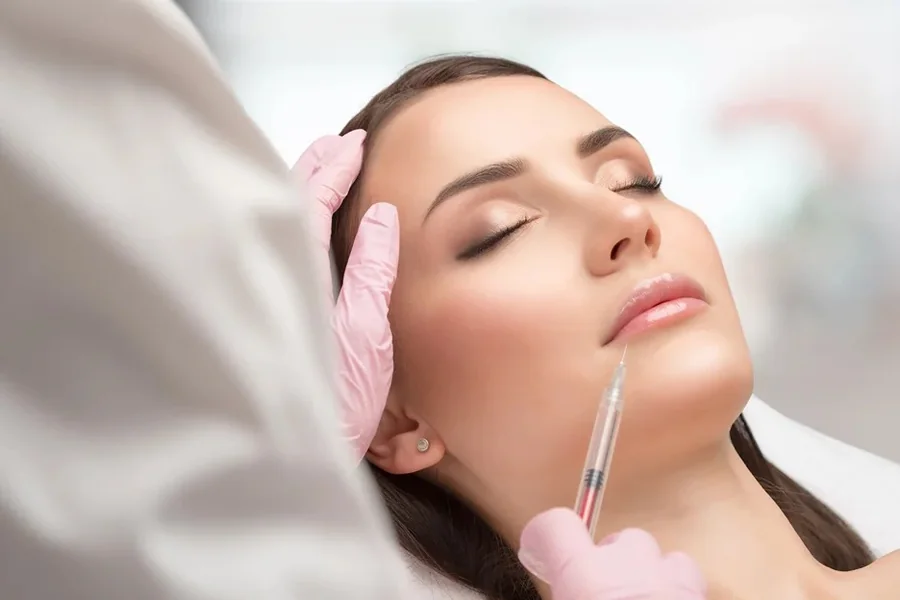
Dermal fillers are one of the most effective ways that you can turn to if you would like a quick glow up. This non-surgical and minimally invasive aesthetic treatment makes your skin look young and fresh by bringing back volume, improving the facial contour, and erasing fine lines. Due to its ability to produce transformative results, the demand for fillers has continued to rise. Sadly, along with this comes the surge of improper methods and procedures that are performed poorly because of subpar products used and unqualified practitioners.
A botched filler application may not only bring unsatisfactory and frustrating results, such as physical discomfort and obvious deformation on the parts where the filler was applied. Worst case, it can be a threat to your overall health. It is important that you are aware of the different signs that can indicate a poor application of dermal fillers following your procedure. Read this article to know about the various factors that can tell if your recent filler treatment may have gone wrong.
Signs that appear immediately
It is usual to experience some side effects right after any aesthetic procedure. However, there are reactions that occur in an instant that may lead to a larger problem when you are not able to get them addressed during its onset. This usually appears within 24 to 48 hours following your filler treatment.
1. Allergic Reactions
- Normal procedure: Your procedure is a success when you are able to breathe without problems and your skin does not show any negative reactions to the dermal filler, like hives.
- Botched procedure: Experiencing tightness in the throat, difficulty breathing, a fast heart rate, or the appearance of a rash on the skin implicates either an allergic or anaphylactic reaction. You need to rush to the closest emergency room and get an urgent dose of epinephrine as these conditions can be fatal.
2. Blanching or mottling of the skin
- Normal procedure: Your skin may have minor bruising after the procedure.
- Botched procedure: A critical sign that you should look out for and flag to your aesthetic provider after your filler treatment is blanching or mottling skin. Blanching is when your skin suddenly turns pale or white, while mottling happens when bluish-purple patches appear on the skin, often near the injection site. These are distinct signs of vascular occlusion, which is caused by the restricted flow of blood that leads to a lack of oxygen in the skin. Without immediate treatment, vascular occlusion can lead to necrosis or death of the skin tissue, scarring, and in severe cases blindness, particularly when the error affects the ophthalmic artery.
3. Continuous and too much bruising or swelling
- Normal procedure: You have nothing to worry about mild to moderate bruising and swelling around the area where the filler was injected. This is very common and will subside without needing any critical care within a few days.
- Botched procedure: You should immediately have your skin checked if you notice swelling or black or deep purple bruises that affect not only the injection area, but those surrounding it. This can be a sign that a major blood vessel was hit during the filler application or it can indicate a serious reaction to inflammation. If you feel excruciating pain and your skin appears pale accompanied by a cold sensation when touched, this may be a symptom of vascular occlusion, which needs urgent medical attention.
4. Pain that is excruciating and localised
- Normal procedure: You can expect tenderness or a mild stinging sensation around the injection site.
- Botched procedure: If you experience excruciating, persisting, and throbbing pain, it can be due to the wrong application of filler injection. Oftentimes, severe pain points to a build up of pressure in the target area, a possible infection, or vascular occlusion.
Signs that appear post-procedure
Having no adverse symptoms arise a few days to a week after your procedure does not guarantee that your road to recovery is complete and successful. Not all bodies are created the same. Some may develop complications even up to two weeks following a filler treatment. Here are signs that you should not fail to observe.
5. Asymmetry or nodules in the skin
- Asymmetry: Your face looks unbalanced after the treatment where one side looks drastically different or larger from the other. This usually happens when your aesthetic provider fails to do a proper assessment of your face or does not apply the filler evenly.
- Nodules: You can almost ascertain that the filler application you received was done poorly when you see bumps and lumps in the skin. This can be caused by several factors, such as:
- Developing granuloma or a nn-infectious lump, which is a result of the body’s reaction to the dermal filler
- Injecting filler into the skin that is more than what is required
- Injecting filler right under the skin’s surface
6. Chronic inflammation
- Chronic inflammation is a long-term complication that you may suffer from when the application of fillers is done poorly or with a contaminated product. This can arise months after your treatment and triggered by several factors like stress, sickness, or even dental work. When this happens, a biofilm develops and covers the filler material in the skin. This is a type of bacteria that can resist antibiotics.
7. Filler migration
- Normal procedure: Your filler remains precisely where it is injected.
- Botched procedure: Your filler spreads to the parts surrounding the target area, which creates distortion or unflattering bulges. This often happens to fillers injected in the lips, nasolabial folds, or tear troughs.
8. Tyndall Effect
- The Tyndall Effect is a complication that occurs specifically when using hyaluronic acid fillers. This side effect is characterised by a tint of blue or grey hue in the area where the filler was injected, commonly under the eyes. This happens when the filler is applied too near the skin’s surface and light refracts off the gel, resulting in discoloration on the skin.
9. Overcorrection or undercorrection
- Overcorrection: A wrong application of fillers can make your face look unnatural with plump or puffy skin as a result of overfilling certain areas. The most common overcorrected areas of the face are the lips, which leads to “duck lips” and the cheeks, which can make you look like a chipmunk.
- Undercorrection: Contrary to overcorrection, your face will not see any visible change when the administration of fillers is not sufficient or when the placement is not correctly done. While this does not need a medical intervention, the outcome is aesthetically poor.
Conclusion
A botched filler procedure can cause a wide range of complications that can be trivial to life-threatening. This can be easily avoided by choosing a competent, licensed, and highly skilled aesthetic provider. In addition, do not be complacent after your treatment and follow the recommended aftercare instructions to ensure optimum results. Remember to immediately consult with a medical professional in case you see any signs that can place your life in danger.
