
Imagine being free from power outages and slashing electric bills. A DIY home battery backup system can provide an affordable and customizable solution. Homeowners armed with the right knowledge can build a tailored backup power system that harnesses renewable energy, stores excess power, and keeps a household running smoothly during blackouts. Whether motivated by energy independence, cost savings, or environmental sustainability, building your own system lets you take control of your power needs. Integrating a backup system in your home empowers you to store energy and use it during peak times or power failures, thus reducing reliance on the grid and maximizing savings.
What a DIY Home Battery Backup System Is
Core Parts in a DIY Home Battery Setup
At the heart of a DIY setup are batteries, which store energy for later use. Other essential components include an inverter, which converts stored DC energy into usable AC power for home appliances, and a charge controller that manages the flow of energy from renewable sources into the battery. Wiring and safety mechanisms connect all parts, ensure efficient power flow and prevent overloads. These components can be adapted based on energy requirements, making them self-sufficient units that cater to individual needs and provide peace of mind during power interruptions.
How a DIY Battery Backup Works at Home
A DIY battery backup system gathers energy from production sources like solar panels and stores it in batteries. During a power outage or peak demand periods, the stored energy is converted via an inverter and used to power home appliances. Systems can be set up to automatically engage when grid power fails, ensuring no interruption in energy supply. The charge controller plays a crucial role in preventing battery overcharging, thereby prolonging battery life and maintaining efficiency. Homeowners gain resilience and confidence with a responsive power solution that heads off potential outages with prepared resourcefulness.
Why Homeowners Choose to Build One Themselves
Cost Control, Custom Power, and Energy Independence
Homeowners interested in DIY systems are often drawn by the potential for significant cost savings. Purchasing individual components allows strategic budgeting wherein owners can opt for high-quality parts essential to long-term reliability. Customizing system capacity based on actual energy needs minimizes waste. Furthermore, this setup boosts energy independence by leveraging renewable sources to a fuller extent. This minimizes reliance on utility companies and the associated unpredictability of pricing shifts or energy availability. Ultimately, a DIY backup system provides personalized power autonomy coupled with economic benefits.
Flexibility Compared With Ready-Made Backup Systems
Unlike commercial systems, DIY battery setups offer unparalleled flexibility. Homeowners can adjust the system size, component types, and energy sources to match specific needs. It empowers them to enhance capabilities over time by adding more solar panels or upgrading battery storages. Tradesman skills can be employed to explore innovative technical solutions that fit the property’s layout. This adaptability means homeowners aren’t bound to a one-size-fits-all solution; they’re free to evolve their systems alongside advancements in technology and growth in energy requirements without constraints.
Planning and Building a DIY Home Battery Backup System
Step-by-Step Planning Checklist for Home Use
- Evaluate daily energy use by analyzing appliance consumption and prioritizing essential needs during outages.
- Determine the capacity for your energy storage system, selecting batteries that align with your capacity requirements.
- Choose an inverter that harmonizes with your battery setup and intended power output.
- Install a charge controller to protect batteries from overcharging and extend their lifespan.
- Plan the layout strategically to minimize wiring complexities. Include circuit breakers for safety.
- Integrate renewable generation sources like solar panels to enhance system efficiency.
Using Modular Power Stations and Solar Generators
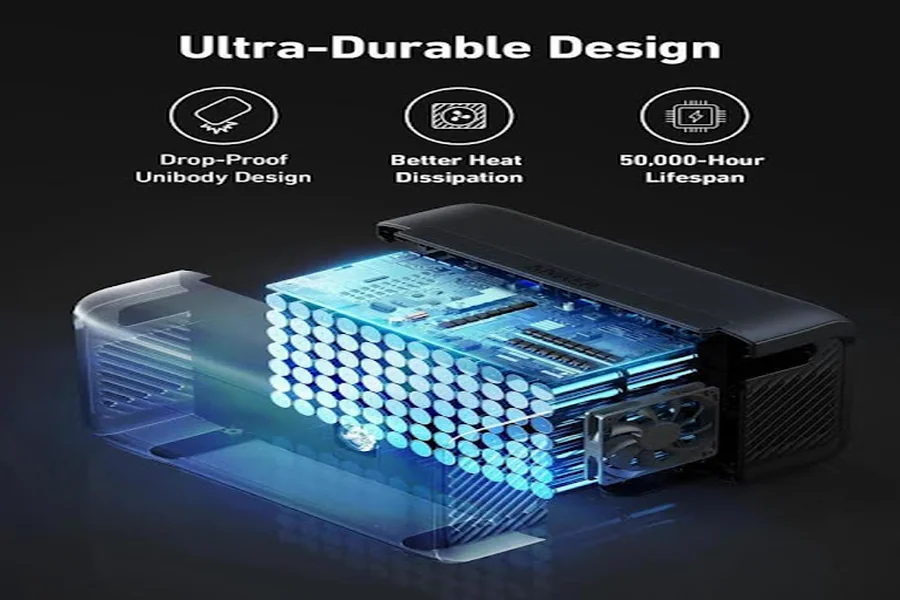
Modular power stations present a versatile approach to building a DIY backup system. These stations are expandable units that consolidate essential components into efficient packages. By connecting modular units, homeowners can scale their system to adapt to greater power demands without overhauling infrastructure. Solar generators are effective additions, enabling sustainable power sourcing during daylight while reducing reliance on external energy supply. Both solutions offer seamless integration into a DIY setup, maintaining a high level of adaptability and facilitating easier upgrades for future power expansion.

Conclusion
A diy home battery backup system empowers homeowners with control over their energy use and costs. By building their own system, they secure tailored power solutions aligned with specific needs, ensuring resilience during outages, optimizing energy use, and fostering independence from the grid. The process might be intricate, but the long-term rewards of cost savings, adaptability, and sustainability make it a wise investment for those ready to take charge of their energy future.
