
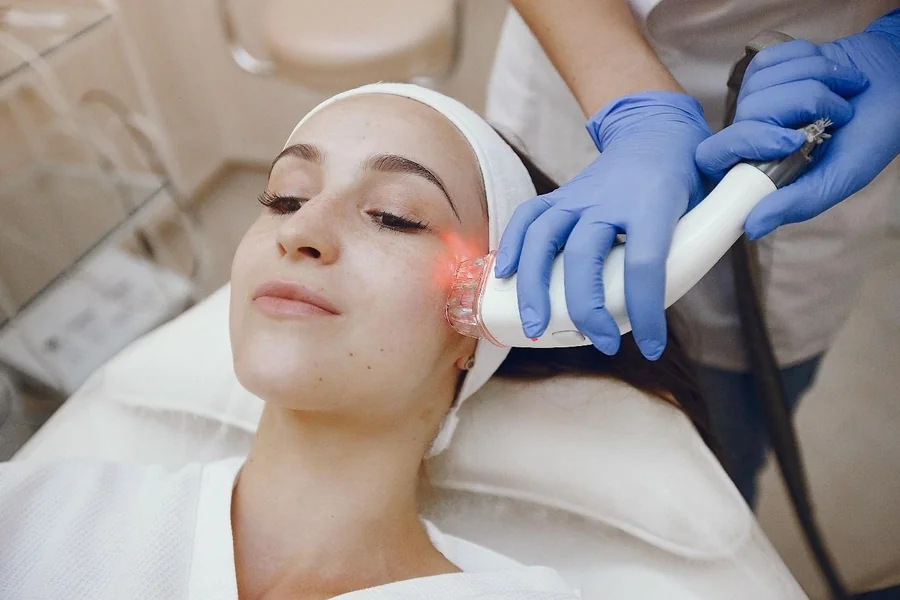
Acne scars are a common concern for many individuals, leaving marks that can affect both appearance and confidence. Finding an effective solution can be frustrating, as not every treatment delivers the desired results quickly. For those seeking a reliable acne scar treatment, understanding the options available is essential.
In this article, we will compare two popular methods, laser therapy and microneedling, to help you decide which approach may work faster to treat acne scar and restore smoother, healthier-looking skin.
What You Need to Know About Acne Scars
Acne scars develop when the skin is damaged during the healing process of acne lesions. Not all acne leaves permanent marks, but for moderate to severe cases, scars can persist long after the pimples have cleared. Understanding the type and severity of acne scars is crucial for choosing an effective acne scar treatment.
There are several common types of acne scars:
- Ice pick scars: Deep, narrow pits that resemble small punctures. They are often difficult to treat without professional intervention.
- Boxcar scars: Broad, angular depressions with sharp edges. These are commonly found on the cheeks and temples.
- Rolling scars: Shallow, wave-like indentations caused by fibrous tissue pulling the skin down.
- Hypertrophic or keloid scars: Raised scars that form due to excessive collagen production. These are more common on the chest and back.
The severity, type, and location of scars determine which treatment approach will be most effective. Some scars respond well to non-invasive procedures, while others may require more advanced therapies.
Recognizing the nature of your acne scars is the first step toward a targeted solution, allowing dermatologists to recommend treatments that can effectively treat acne scars and improve skin texture over time.
What is Laser Treatment?
Laser therapy is a popular and effective acne scar treatment that targets damaged skin and stimulates collagen production to improve texture and appearance. By delivering focused light energy to the scarred areas, lasers can remove damaged skin layers and promote the growth of new, healthier skin. There are different types of lasers used for acne scars, each suited to specific needs:
- Ablative lasers (such as CO₂ and Er:YAG) remove the top layers of skin, making them ideal for deeper scars.
- Non-ablative lasers stimulate collagen growth without removing the surface layer, which can be gentler and require less downtime.
- Fractional lasers target microscopic sections of skin, leaving surrounding tissue intact to speed up healing.
Laser treatment can produce noticeable improvements after just a few sessions, especially for deep or stubborn scars. However, results vary depending on the scar type, skin tone, and individual healing response.
What is Microneedling?
Microneedling, also known as collagen induction therapy, is another effective acne scar treatment that helps improve skin texture and reduce the appearance of scars. This procedure uses a device with fine needles to create tiny, controlled micro-injuries on the skin. These micro-injuries stimulate the body’s natural healing process, promoting collagen and elastin production, which helps smooth out depressed scars over time.
Microneedling is suitable for most skin types and is often preferred for those seeking minimal downtime. It can also be combined with platelet-rich plasma (PRP) therapy to enhance results. While improvements are gradual, multiple sessions can lead to significant reduction in acne scars, making it an effective option for patients looking to treat acne scars safely.
Comparing Effectiveness
Both laser treatment and microneedling are widely used to improve acne scars, but they differ in approach, speed of results, and suitability for various scar types. The table below highlights the key differences to help you understand which method may be more appropriate:
| Feature | Laser Treatment | Microneedling |
| Speed of Results | Faster visible improvement, often within a few sessions | Gradual improvement over multiple sessions |
| Best for Scar Types | Deep scars, severe texture irregularities | Mild to moderate scars, rolling scars |
| Downtime | Moderate to significant; redness and peeling possible | Minimal; mild redness for 1–2 days |
| Treatment Intensity | More intensive; may require pain management or numbing | Less intensive; generally well-tolerated |
This comparison helps patients understand how each procedure works and what to expect in terms of recovery and outcomes.
Recovery and Side Effects
Both laser treatment and microneedling are generally safe, but they differ in recovery time and side effects. After laser therapy, patients may experience redness, swelling, and peeling that can last several days to a week, depending on the intensity.
Microneedling usually causes only mild redness and occasional pinpoint bleeding, with minimal downtime. Understanding these differences helps patients choose a treatment that fits their schedule and tolerance while achieving effective results.
Conclusion
Both laser treatment and microneedling offer effective solutions for improving acne scars, each with its own benefits and considerations. Laser therapy often delivers faster results, especially for deeper scars, while microneedling provides a gentler, gradual improvement with minimal downtime.
Choosing the right method depends on your scar type, skin condition, and personal preferences. Consulting a dermatologist can help determine the most suitable approach for your skin. To explore the best acne scar treatment for you, book a consultation at:
