
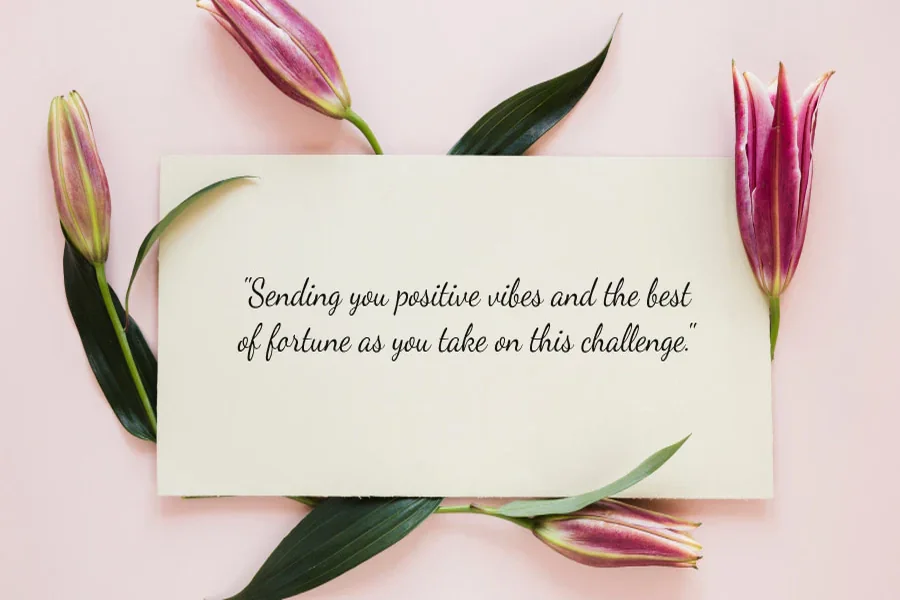
A good luck message is small, but it carries weight.
People send these messages before exams, interviews, weddings, performances, surgeries, and first days. The words are often short. The feeling behind them is not.
A good wish does more than sound polite. It gives shape to hope. It tells someone, “This moment matters, and I am with you in it.”
That is why good luck messages often mix three ideas at once: effort, chance, and possibility.
We know hard work matters. We also know life contains uncertainty. A result can depend on timing, mood, weather, opportunity, or one unexpected moment. Good luck wishes sit exactly in that gap between preparation and outcome.
They do not control events. They steady the person walking into them.
This article explores why good luck messages matter, how they reflect the human need to bless uncertain moments, and how the best wishes balance warmth, belief, and realism.
Why People Send Good Luck Messages Before Uncertain Moments
Big moments rarely come with guarantees.
A student studies for weeks yet still faces unknown exam questions. A job candidate prepares carefully but cannot control the interviewer’s mood. An athlete trains daily yet still meets a stronger opponent.
Good luck messages appear exactly at this point of uncertainty.
They acknowledge a simple truth. Effort matters, but chance also plays a role. One unexpected detail can change an outcome.
People have always used language to steady this moment. Saying “good luck” acts like placing a hand on someone’s shoulder before they step forward. The message does not remove risk. It reminds the person that they are not facing the moment alone.
That is why many wishes include images connected to chance. People talk about rolling the dice, catching a lucky break, or playing the right card at the right time. These phrases turn uncertainty into something easier to imagine.
Modern digital culture uses similar metaphors. In fast-outcome environments, such as the crash duel x game, results depend on timing, nerve, and quick judgment. The experience reflects the same emotional pattern found in real-life high-pressure moments: anticipation rises, the decision arrives quickly, and the result appears instantly.
Because of this shared pattern, good luck messages often reference chance and opportunity together. They acknowledge that a person has prepared well, yet they also hope the moment breaks in their favor.
In this way, a simple wish becomes more than polite language. It becomes a small ritual of encouragement before stepping into uncertainty.
The Language Of Luck: Why Chance Metaphors Feel Natural
People rarely say, “May statistical probability favor you.”
They say, “Good luck.”
Human language prefers images. Luck metaphors work because they turn uncertainty into something we can picture.
Think about the phrases people use before a big moment:
- You’ve got this.
- May the odds be in your favor.
- Play your cards right.
- Roll the dice and go for it.
Each phrase frames life as a game of outcomes. Preparation still matters, yet the final result remains partly hidden.
This style of language feels natural because it mirrors how people experience important moments. Before the result appears, everything sits in motion. A speech has not begun yet. A door has not opened yet. A judge has not announced the decision yet.
Good luck messages recognize that space between action and outcome.
They also compress complex emotions into short, clear sentences. A strong wish often contains only a few words:
“Go shine today.”
“You’re ready for this.”
“Luck is on your side.”
Short messages work because they travel easily. They can appear in a text message, a handwritten note, or a quick conversation before the event begins.
The best wishes therefore combine two elements:
- Confidence in the person
- Acknowledgment of uncertainty
This balance makes the message feel honest. It supports the person without pretending the result is guaranteed.
Writing Good Luck Messages That Feel Personal And Genuine
A strong good luck message feels direct and human. It does not sound like a copied slogan.
The goal is simple. The message should remind the person that someone believes in them.
Start With The Person
A message becomes stronger when it points to the person’s effort.
For example:
“You prepared for this. Now go show what you know.”
This line recognizes work already done. The wish becomes grounded in reality, much like the practical insights shared on asuramgg.
Keep The Message Short
Long wishes often weaken the impact. Good luck messages work best when they read quickly.
Examples:
“Your moment is here. Go for it.”
“You’ve done the work. Trust yourself.”
“Step in with confidence today.”
Short sentences travel well in texts, notes, or quick conversations.
Add A Touch Of Possibility
Luck messages should leave space for opportunity.
For example:
“May today bring the break you deserve.”
This line suggests that something positive may appear at the right moment.
Avoid Overpromising
A good wish should support the person without pretending success is guaranteed.
Instead of saying:
“You will definitely win.”
Say:
“You are ready for this challenge.”
This approach respects reality while still giving encouragement.
Speak In A Natural Voice
The best good luck messages sound like real conversation.
Think about what you would say if you were standing beside the person just before the moment begins. Write that sentence.
Simple, honest language always feels stronger than decorative phrases.
Why Good Luck Wishes Matter More Than They Seem
A good luck message may contain only a few words. Yet it carries real weight.
At important moments, people stand at the edge of uncertainty. The result has not arrived yet. Effort is complete. The outcome now depends on timing, circumstance, and opportunity.
That is where a wish matters.
A simple message tells the person two things at once. You are prepared, and someone believes in you. This combination creates calm in the middle of pressure.
Good luck wishes also reflect a deeper truth about human experience. Life contains both effort and chance. Preparation opens the door. Opportunity decides when it swings wide.
Because of this, the most meaningful wishes stay balanced. They respect hard work while welcoming possibility.
The strongest messages remain short, clear, and sincere. They sound like real speech, not ceremonial language. They remind the person that support exists even when the outcome is uncertain.
In the end, good luck messages do not change events directly. What they change is how someone walks into the moment.
