
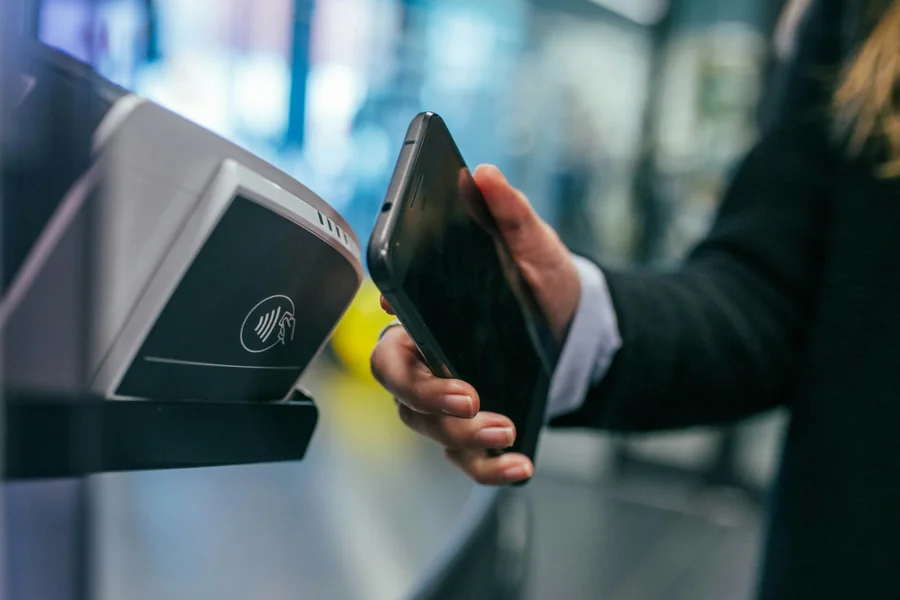
Cashless society is increasingly becoming widespread in the world. With mobile banking applications, contact cards, and e-wallets, individuals are increasingly using electronic money to make day-to-day transactions instead of cash. Although this change is fast and convenient, a question that is beginning to emerge by many individuals is a critical one: How Does a Cashless Society Affect Your Privacy?
There is no easy way out. Digital payments may facilitate life, yet they leave comprehensive traces of how individuals spend, save, travel, and live. Each transaction creates a data trail which can be gathered, examined and even exchanged. With governments, banks and technology companies pushing towards the use of digital payment systems, issues of financial privacy are becoming increasingly pronounced.
Learning the privacy cost of a cashless economy assists individuals in making educated choices on their monetary practices and web safety.
The Rise of Digital Payments in Modern Life
Digital payment system has transformed how individuals transact money over the past 10 years. Shopping online, banking via mobile phones, QR payments, and contactless cards have become commonplace. There are even numerous stores that discourage customers to use cash at all since digital payments are quicker and simpler to handle.
This was also further boosted by the pandemic. Contactless payment was favored by businesses and consumers as it minimized physical contact. This has led to lowering cash utilization in most countries as digital transaction platforms have been rapidly increasing.
In the case of younger generations, it seems unnecessary to carry a lot of physical money. Wallets are already being phased out by Smartphones and nowadays, it is possible to pay bills, purchase groceries, and even send money instantly over the phone. Cashless systems are also favored by governments and other financial institutions since they minimize the cost of printing money and enhance the ability to track taxes and facilitate easy monitoring of finances.
Even though this revolution has numerous benefits, it also implies that virtually all purchases are documented forever. Readers looking for informative blogs often browse Voomixi Com.
How Digital Transactions Create Data Trails
Cash transactions are mostly confidential since they do not necessarily keep record of personal information. When an individual makes a purchase of a coffee using his or her cash, no digital data linking the buy to an individual typically exists in the long term.
As an example, transaction histories can indicate where a particular person shops, what they have eaten, how many other times they have travelled and even what their interests are. In other instances, businesses could take advantage of such data to advertise, analyze the market or target customers.
This is among the largest privacy issues relating to a cashless society. Monitoring and analysis of financial behavior are made simpler than ever.
The Role of Governments and Financial Institutions
The cashless systems are friendlier to governments and financial institutions as the digital transactions are easier to control and track. Electronic recordings will assist in minimizing tax evasion, money laundering and illegal finance practices.
This can be advantageous in terms of security and regulation. When it is recorded digitally, the authorities are able to conduct their investigations on a suspicious activity in a more effective manner. Digital banking offers a lot of transparency and prevents fraud, which is valued by many people.
Nevertheless, critics are concerned that over-monitoring has the potential to diminish financial freedom and personal privacy. Financial institutions and governments in a cashless society would be able to have a lot of individual expenditure data.
Financial control is also an issue. When all the transactions are based on digital systems, accounts may possibly be frozen, limited or controlled more closely. Although these measures are traditionally related both to the legal or security problems, some individuals are afraid that with time, the centralized state over money is going to become more and more powerful.
The aspect of the cashless movement that is still one of the most debatable is balancing between the safety of people and their privacy.
Data Collection and Corporate Surveillance
Payments and technology firms gather massive quantities of user data. This is very useful information since spending patterns and habits will show individual preferences and behavior patterns.
By using digital wallets, shopping apps or online banking services, companies can collect information to online shopping or improve services or target advertising. Under certain circumstances, third-party partners might also have access to a part of this information.
To illustrate, when one purchases consistently fitness products, health foods, or travel tickets, the advert engines will initiate to display targeted offers depending on such purchases. Although some users are delighted by the customization of their recommendations, others feel that it is an infringement of their privacy.
The problem is even greater in the case of data breaches. Online financial data can be hacked by hackers and cybercriminals. Leaks that have impacted millions of users have even occurred in major corporations with complex security systems.
In a society with no cash, there would be a need to safeguard online financial data. Individuals are no longer purely defending physical wallets but also their online identities, and transaction history.
Convenience Versus Privacy
Convenience is one of the reasons why cashless systems are on the increase. The digital payments are quick and easy and broadly embraced. Individuals do not have to carry large sums of money or go out in search of ATMs. Time is also saved in automatic bill payments and internet banking.
Consumers would be happy to give up a degree of privacy to obtain these advantages. They like features such spending notification, budgeting, and transfers of money instantly.
Nevertheless, some of them do not think that financial privacy should be a primary right. With cash, individuals are able to shop free of charge without leaving any digital footprints. There are those who would be uneasy with the fact that almost all financial decisions may be tracked or permanently stored.
This is usually reduced to individual priorities. Others are more concerned with efficiency and security whereas others emphasize more on anonymity and independence.
With the transition of the society to a more digital financial system, the balance between convenience and privacy will gain more and more significance.
Can a Cashless Society Increase Security Risks?
Some risks related to physical theft and counterfeit money can be mitigated by the cashless economy, yet at the same time, new digital threats can emerge.
In the past few years, cybercrime has become more advanced. Banking accounts, apps and databases are attacked by hackers. Sensitive financial data may be compromised in a couple of seconds to phishing tricks, identity theft, and malware attacks.
System dependence is another issue. In case of technical failures, downtimes, or cyberattacks, digital payment networks will make people unable to access money temporarily. Even minor inconveniencing in a society devoid of cash options could cause severe issues.
The problem of privacy is also enhanced when biometric systems like facial recognition or fingerprint authentication is linked to transactions. Although these technologies enhance security, they add more levels of collecting personal data.
Owing to these reasons, analysts usually advise the use of passwords that are strong, two-factor authentication, and safe platforms to make payments to minimize digital risks.
Protecting Your Privacy in a Digital Economy
With a highly digital financial world, even people can take measures to ensure their privacy and personal information are safeguarded.
The risk of fraud may be minimized by using reliable payment systems and checking account activity on a regular basis. A lot of individuals also restrict the amount of financial information they provide to applications and sites. A thorough reading of privacy policies can illustrate the way companies gather and utilize information on transactions.
Other consumers prefer payment options that offer higher privacy or do not want to connect too many different services to one account. Others keep a small pocket of cash, to be used in cases where privacy is of utmost importance.
Good cybersecurity practices are vital as well. A password, encrypted devices, and up-to-date software can both greatly decrease the chances of unauthorized access.
Education is also significant. Learning about the functioning of digital payment systems will enable consumers to be better informed when it comes to safeguarding their financial identities.
Final Thought
How Does a Cashless Society Affect Your Privacy? is increasingly turning into a relevant question, as the use of digital payments, in place of real cash transactions, becomes commonplace. The advantages of a cashless economy are speed, convenience, financial efficiency, yet it poses a challenge in terms of surveillance, data gathering, and cybersecurity.
Each and every digital deal leaves valuable information that is traceable, stored and analyzed. Although this could enhance fraud prevention and banking, it can also decrease the degree of anonymity individuals used to in the physical cash.
A compromise of technological advancement and individual privacy rights is likely to be the case in the future. With the increasing use of digital finance, consumers, governments and companies will be required to cooperate in devising systems that are safe yet still do not infringe individual freedom and privacy.
FAQs
Is a cashless society completely private?
No, a cashless society is generally less private than cash-based systems because digital transactions create electronic records that can be stored and analyzed.
Why do governments support cashless payments?
Governments often support digital payments because they help reduce tax evasion, improve financial transparency, and make illegal transactions easier to track.
Can digital payments expose personal information?
Yes, digital payments can reveal spending habits, locations, and purchasing behavior, especially when data is collected by banks, apps, or merchants.
Are cashless systems safer than physical cash?
Cashless systems reduce risks like physical theft, but they also introduce cybersecurity threats such as hacking, identity theft, and data breaches.
How can people protect their privacy in a cashless world?
People can improve privacy by using secure payment methods, enabling two-factor authentication, limiting data sharing, and monitoring financial accounts regularly.
