
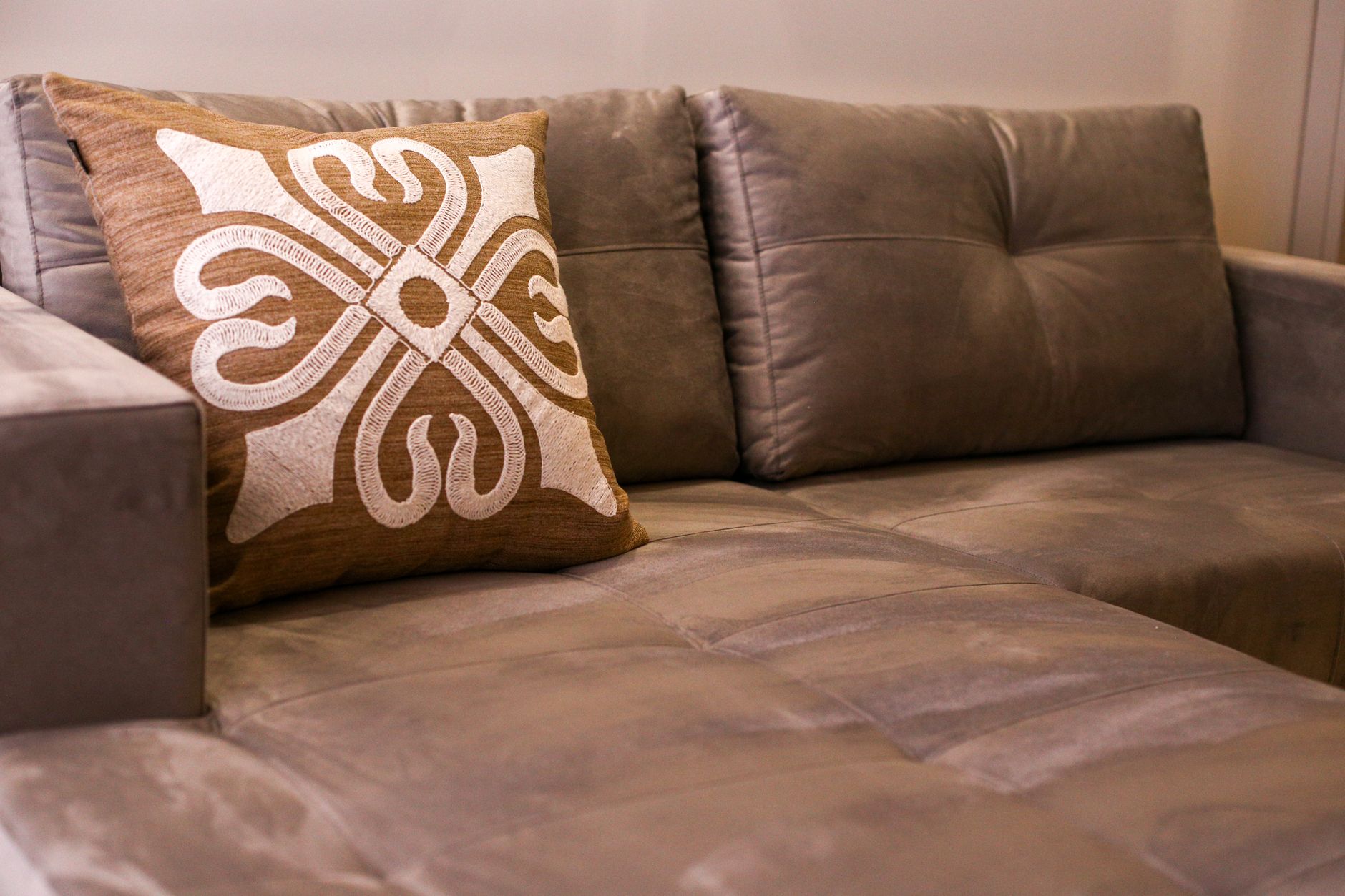
Modern and contemporary are related design terms, but they are not identical. Modern design generally refers to established twentieth-century movements, while contemporary design continues to change with current materials, preferences, and lifestyles.
Furniture quality cannot be judged from one material label. Construction, joinery, hardware, upholstery, cushioning, finish, and suitability for the intended use all affect performance.
Online furniture shopping provides access to product dimensions, configuration choices, brands, prices, and availability. Buyers should still verify specifications, policies, and delivery requirements before placing an order.
Accurate measurements should cover the room and every part of the delivery route. Doorways, elevators, stairwells, hallways, corners, and ceiling heights can determine whether a piece will reach its intended location.
A cohesive room does not require every item to match. Repeating selected colors, materials, shapes, or finishes can connect furniture from different collections and design periods.
Accessories can help establish scale and personality, but they should support how the room is used. Lighting, rugs, artwork, and smaller objects should be selected after the larger furniture and circulation paths are understood.
Return and delivery policies are part of the purchasing decision. Custom orders, mattresses, clearance merchandise, floor models, and opened items may have different restrictions from eligible stock products.
Understanding Modern and Contemporary Furniture
Why Clean-Lined Furniture Works in Different Interiors
Furniture with restrained profiles and clear shapes can fit into many types of rooms because it does not rely on heavy ornamentation. A streamlined sofa, dining table, or storage cabinet may work alongside architecture and accessories from several design periods.
The effect depends on proportion and context. A low-profile sectional can make a room feel open when its scale suits the space. The same sectional may overwhelm a narrow room or interfere with circulation if it is too deep or wide.
Modern furniture often prioritizes practical features such as modular components, concealed storage, reclining mechanisms, adjustable headrests, extension tables, or multifunctional surfaces. These features can make a piece useful in homes where rooms serve several purposes.
Visual simplicity should not be confused with a lack of detail. Upholstery stitching, wood grain, metal finishes, hardware, edge profiles, and the relationship between materials can all influence how refined a piece appears.
People searching for modern contemporary furniture online can browse BOVA’s collections for living rooms, dining rooms, bedrooms, home offices, outdoor areas, entertainment spaces, lighting, mattresses, and home décor. The retailer also operates a showroom in Dallas.
Recognizing the Styles Behind the Label
Retailers often use “modern contemporary” as a broad description for furniture with current styling, clean lines, and updated materials. Individual pieces may also draw from more specific design traditions.
Common influences include:
- Mid-century modern: Tapered legs, organic forms, restrained profiles, and references to designs popular during the middle decades of the twentieth century.
- Scandinavian design: Functional forms, lighter visual weight, natural-looking materials, and an emphasis on comfort and simplicity.
- Minimalism: Reduced ornamentation, deliberate use of space, and a limited number of visually prominent objects.
- Industrial design: Metal structures, exposed hardware, darker finishes, and surfaces inspired by workshops or commercial buildings.
- Italian contemporary design: Sculptural forms, polished finishes, leather upholstery, and close attention to proportion.
- Organic modern design: Curved silhouettes, tactile surfaces, subdued colors, and natural-looking materials.
These categories frequently overlap. A dining chair might combine a mid-century profile with contemporary upholstery, while a modern media console may use industrial metal details.
Labels should be treated as a starting point. Product dimensions, materials, construction, comfort, and compatibility with the room are more important than whether every item fits a single style definition.
Reading Material and Construction Details Carefully
Material descriptions can provide useful information, but broad rules such as “solid wood is always best” can be misleading. Different materials serve different purposes and price points.
Solid wood may offer strength and refinishing potential, but it can expand, contract, scratch, or change color. Engineered wood can provide stability and efficient material use when it is designed and manufactured appropriately. Veneer can create a consistent wood surface while allowing more efficient use of desirable species.
Metal quality also depends on more than the material name. Gauge, welding, fasteners, finish, corrosion resistance, and load design all matter. Glass furniture should use an appropriate type and thickness for the application.
Upholstery requires similar attention:
- Natural fibers may provide texture and comfort but can vary in stain resistance and abrasion performance.
- Synthetic fibers may offer strong resistance to wear, fading, moisture, or staining.
- Blended fabrics can combine characteristics of natural and synthetic materials.
- Leather varies by type, finish, thickness, and care requirements.
- Performance fabrics may be useful in homes with children, pets, or frequent guests.
Buyers should look for information about the frame, suspension, cushions, upholstery composition, care requirements, hardware, and warranty. If important details are missing from a product page, they can ask the retailer before ordering.
Planning a Room Through Online Shopping
What Online Furniture Shopping Makes Easier
Shopping online allows buyers to compare products without moving repeatedly between showrooms. Categories, filters, dimensions, finishes, and configuration tools can help narrow a large selection.
Online research may be especially useful when comparing:
- Overall dimensions
- Modular configurations
- Upholstery and finish choices
- Power or manual reclining features
- Storage options
- Extension mechanisms
- Brand collections
- Product availability
- Estimated delivery timing
- Financing options
- Warranty and service information
BOVA’s website displays selected products and brands, but the company notes that it has access to more styles and fabrics than it can show online. Shoppers seeking a particular configuration can contact the store or visit the Dallas showroom to ask about additional choices.
Photographs should be interpreted carefully. Screen settings, lighting, editing, and surrounding décor can affect how a color or texture appears. Buyers who need an exact match should ask whether a sample, swatch, or showroom display is available.
Online availability can also change. An “in stock” label, estimated lead time, or displayed price should be confirmed when timing or configuration is important.
Connecting Furniture Choices to Daily Life
A useful piece of furniture should fit the people who will use it. Appearance matters, but comfort, maintenance, mobility, storage, and routine activities deserve equal attention.
Questions to consider include:
- How many people use the room regularly?
- Is the furniture intended for daily use or occasional entertaining?
- Are children or pets present?
- Does anyone need a higher seat, firmer cushion, adjustable support, or easy-to-operate controls?
- Will food or drinks often be used near the furniture?
- How much cleaning and maintenance is realistic?
- Does the room need hidden storage?
- Will the layout need to change for gatherings?
- Are electrical outlets available for powered furniture?
- Does sunlight reach the upholstery or finish?
A pale fabric may work comfortably in one household but create unnecessary maintenance in another. A deep sectional can be ideal for lounging but uncomfortable for someone who needs a more upright seat.
Large furniture does not always need to be neutral. However, buyers should consider how long they expect to keep the piece and whether the color will remain compatible with future changes.
Budget planning should include delivery, assembly, protection plans, maintenance products, and possible restocking costs. A sale price provides only part of the total purchasing picture.
Measuring the Room and Delivery Route
Room measurements should be taken before selecting furniture. Record wall lengths, ceiling height, window and door positions, built-ins, vents, radiators, fireplaces, outlets, and permanent architectural features.
The room must also retain enough open space for movement. Consider how doors open, how people reach seating, and whether chairs can be pulled away from a table without blocking a walkway.
Painter’s tape can be used to outline the length and depth of a proposed piece on the floor. Boxes or temporary objects can help represent its height and visual volume.
The delivery route deserves separate measurements. Check:
- Exterior doors and gates
- Building entrances
- Hallway widths
- Stairwell width and ceiling clearance
- Landings and turns
- Elevator doors and interior dimensions
- Interior doorways
- Railings, light fixtures, and other obstacles
- The final room entrance
- Space needed to rotate or assemble the item
Product width alone may not determine whether furniture will fit through a doorway. Depth, height, diagonal measurement, removable legs, detachable backs, and modular construction may also matter.
BOVA advises customers to remeasure before delivery and clear the destination room. Its delivery page states that arrival dates are tentative and may depend on manufacturer lead times, particularly when an item is not currently in stock.
Giving the Room a Finished Contemporary Look
Choosing Accessories After the Main Furniture
Accessories can complete a room, but they are easier to select once the largest pieces are established. A sofa, dining table, bed, or storage unit usually controls more visual and physical space than a lamp or pillow.
Useful finishing elements may include:
- Area rugs: Define seating or dining zones and introduce texture.
- Lighting: Supports tasks, establishes atmosphere, and balances natural light.
- Artwork: Adds color and personal meaning without consuming floor space.
- Pillows and throws: Introduce smaller changes in color, pattern, and texture.
- Mirrors: Reflect light and create visual depth when placed appropriately.
- Side tables: Provide practical surfaces beside seating.
- Decorative objects: Add character when used selectively.
- Window treatments: Influence privacy, light, acoustics, and softness.
Scale is important. A very small rug can make a seating arrangement feel disconnected, while an oversized fixture may dominate a low-ceilinged room.
Accessories should not interfere with movement or everyday use. A decorative table with no space for a drink, or a collection that makes cleaning difficult, may not suit the household.
Leaving some surfaces and wall areas open can help individual objects stand out and keep the room from feeling crowded.
Developing a Color and Texture Direction
There is no required contemporary color palette. Current interiors may use warm neutrals, dark saturated tones, pale colors, natural wood, glossy lacquer, or combinations of several approaches.
Begin with conditions already present in the room, such as flooring, wall color, stone, cabinetry, or window treatments. These fixed elements can guide the furniture palette.
A practical plan may identify:
- One primary color or material
- One or two supporting tones
- A smaller accent color
- A balance of smooth and textured surfaces
- A consistent approach to metal or wood finishes
Exact matching is not always necessary. Small variations in wood or metal can create depth if they appear intentional. Problems are more likely when finishes are close enough to seem accidental but not close enough to coordinate.
Texture can make a limited color palette more engaging. Leather, boucle, woven fabric, wood grain, glass, ceramic, and metal reflect light differently and can prevent a neutral room from appearing flat.
Color trends can provide inspiration, but a large purchase should also reflect the buyer’s preferences and the room’s natural light. Online images should not be treated as perfect color references.
Combining Different Furniture Styles
A room assembled over time often contains more than one design influence. Cohesion can come from repetition and proportion without requiring a matching set.
Several methods can help connect different pieces:
- Repeat a color in more than one part of the room.
- Carry one metal finish through lighting, tables, or hardware.
- Balance curved furniture with another rounded element.
- Use a rug to connect separate seating pieces.
- Repeat a wood tone in small amounts.
- Keep the visual weight of adjacent pieces compatible.
- Limit the number of competing focal points.
- Allow enough space around sculptural furniture.
Contrast can be useful. A contemporary dining table may work with chairs inspired by an earlier period if their scale and materials relate to one another.
Matching every surface can make a room feel flat, while introducing too many unrelated ideas can make it feel unsettled. A few repeated details usually provide enough connection.
Before purchasing, buyers can create a simple mood board containing product images, dimensions, color samples, and photographs of the room. This makes it easier to see whether the proposed pieces work together.
Using BOVA’s Shopping and Design Services
Exploring Products, Brands, and Custom Options
BOVA Contemporary Furniture has served the Dallas area since 1980. Its website features brands including Stressless, Incanto Italia, and ALF Italia, along with products for several rooms and uses.
Its online catalog includes sofas, sectionals, recliners, dining furniture, bedroom collections, office furniture, outdoor products, lighting, accessories, and mattresses. Not every available item, fabric, finish, or configuration is displayed online.
Some products can be customized. Depending on the brand and model, possible selections may include upholstery, color, configuration, seating components, or finish. Custom availability should be confirmed with the store.
Customized and special-order furniture requires careful planning because production times and return conditions may differ from those for stock merchandise. Buyers should review the written order for dimensions, orientation, material, color, quantity, and included components before approving it.
For powered seating, customers can also ask about electrical requirements, control placement, battery options, wall clearance, and warranty coverage.
Checking Delivery, Lead Times, and Returns
Furniture policies should be reviewed before payment, especially for large, customized, or time-sensitive purchases.
BOVA’s delivery information states that:
- An adult age 18 or older must be present to accept delivery.
- Customers should remeasure the furniture and delivery route.
- The destination room should be cleared in advance.
- Manufacturer lead times can affect arrival dates.
- Warehouse pickup is available as an alternative to delivery.
- Customers should inspect merchandise and raise concerns promptly.
The company’s current return policy states that eligible stock items may be returned or canceled within six days of purchase when they remain in their original unopened packaging and are accompanied by the original sales contract. A 20% restocking fee applies.
The policy excludes several categories, including special-order deposits, layaways, mattresses, clearance items, floor models, damaged items, and certain canceled orders.
Policies may change, so customers should read the version provided at the time of purchase. Any verbal promise involving delivery, returns, customization, pricing, or warranty coverage should also appear in the written sales documents.
Furniture should be inspected during delivery or pickup. Damage, missing parts, incorrect configurations, and installation concerns should be reported according to the retailer’s instructions.
Using Design and Space-Planning Assistance
Design assistance can help when a room has an unusual shape, a difficult traffic pattern, or several pieces that must work together.
BOVA advertises in-home consultations for qualifying customers, complimentary space planning, custom-order assistance, and an online room-planning tool. Its consultants can help with measurements, layouts, furniture placement, and coordination with existing pieces.
Before a consultation, customers can prepare:
- Room measurements
- Photographs and videos
- A floor plan, if available
- Images of existing furniture
- Preferred colors and materials
- Examples of styles they like
- Household needs
- Budget range
- Desired delivery timeframe
- Building access or delivery restrictions
A consultant can help narrow the options, but the final decision should reflect the household’s comfort, maintenance preferences, measurements, and financial limits.
Online planning and showroom visits can also work together. A customer may research products online, test comfort and materials in person, and then use digital tools to compare configurations at home.
FAQ
What should buyers check before ordering furniture online?
Review dimensions, materials, construction details, configuration, color, availability, warranty, delivery charges, assembly requirements, and return restrictions. Measure the room and the complete delivery route before ordering.
How does lighting affect contemporary furniture?
Natural and artificial light can change how colors, textures, glass, metal, and glossy surfaces appear. Buyers should consider the room at different times of day and use several light sources when necessary.
How can furniture placement make a room more functional?
Begin with circulation paths and the room’s primary activity. Position furniture so people can move comfortably, doors and drawers can open, and tables or lighting remain accessible from the seating they support.
Which colors are common in contemporary interiors?
Contemporary interiors may use warm neutrals, earth tones, pastels, dark colors, or bold accents. Trends change, so buyers should select colors that work with the room’s fixed finishes and their long-term preferences.
Which upholstery is most durable?
Durability depends on fiber content, weave, abrasion performance, finish, construction, and use. Some synthetic and blended fabrics may outperform natural fibers in busy households. Buyers should request care and performance information for the exact upholstery.
How can different furniture styles be combined successfully?
Repeat selected colors, finishes, shapes, or materials. Keep scale and visual weight in balance, and avoid placing too many unrelated focal pieces in one room.
When should furniture be replaced?
There is no standard replacement schedule. Furniture may need repair or replacement when its frame, support, upholstery, mechanisms, or finish no longer performs safely or comfortably. A change in household needs may also justify an update.
What should buyers know about handmade furniture?
Handmade furniture may offer distinctive details and small-batch construction, but the label alone does not establish durability or ethical sourcing. Buyers should ask about materials, construction, maker credentials, lead time, warranty, and care.
