
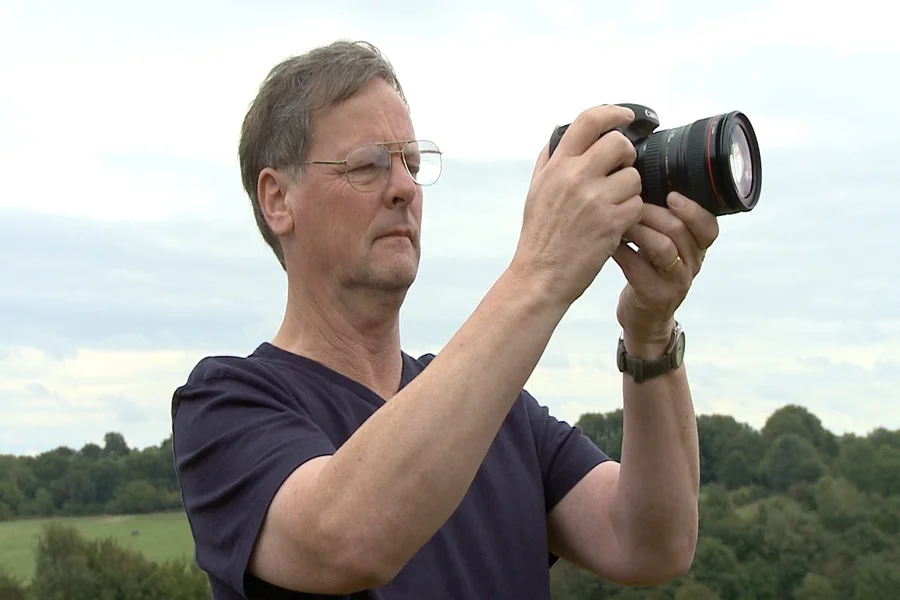
In today’s digital age, the world of cameras and video camera technology has expanded far beyond what most people imagined just a few decades ago. Whether you’re an amateur photographer looking to capture special moments or a professional content creator aiming to produce cinematic footage, understanding the different types of cameras and video camera equipment is essential.
The Evolution of Cameras
Cameras have come a long way since the invention of the first pinhole cameras in ancient times. The 20th century saw the rise of film cameras, followed by digital cameras that revolutionized photography by removing the need for film and darkrooms. Today, digital cameras dominate the market, offering high-resolution images, automatic settings, and powerful editing features.
There are many types of cameras on the market, each designed for specific use cases. Compact digital cameras, also known as point-and-shoot cameras, are perfect for casual users. They are portable, easy to use, and often come with built-in flash and zoom lenses. On the other hand, DSLR (Digital Single-Lens Reflex) and mirrorless cameras are geared toward enthusiasts and professionals. These models offer interchangeable lenses, manual settings, and larger sensors for better image quality and control.
Video Camera Technology: Capturing Motion

While cameras are generally associated with still photography, the video camera plays a crucial role in capturing motion and sound. The video camera has evolved from bulky VHS recorders to compact, high-resolution digital devices. In fact, most modern cameras today can shoot both high-quality photos and video, but dedicated video camera equipment still holds significant advantages in many scenarios.
A video camera is specially designed to record continuous motion, offering advanced features like image stabilization, high frame rates, and superior audio capture. Professional video camera models often include XLR audio inputs, ND filters, and log recording capabilities that allow for extensive post-production editing. Whether you’re filming a documentary, YouTube video, wedding, or cinematic short, the right video camera can make a big difference.
Key Features to Consider
When choosing between different cameras or a video camera, consider the following key features:
1. Sensor Size
Sensor size significantly affects image quality, depth of field, and low-light performance. Larger sensors, like full-frame or APS-C, are usually found in higher-end cameras and video camera systems.
2. Resolution
Whether you’re looking at a camera or a video camera, resolution is a key factor. Modern cameras can shoot in 24MP or more, while a video camera may offer 4K, 6K, or even 8K video resolution.
3. Lens Options
Interchangeable lens systems give users creative control. DSLRs and mirrorless cameras offer wide lens ecosystems, while many professional video camera systems also support cinema lenses.
4. Stabilization
Built-in stabilization is crucial for handheld shooting. Many video camera models offer optical or electronic image stabilization to reduce shake.
5. Autofocus
Fast and accurate autofocus is essential for both photography and videography. Modern cameras and video camera systems use AI-driven tracking for smooth, continuous focus on moving subjects.
6. Battery Life and Storage
Shooting high-resolution photos or videos can quickly consume storage and battery. Consider battery capacity and support for SD cards or SSDs when choosing a camera or video camera.
Popular Brands in the Market
Some of the leading manufacturers of cameras and video camera equipment include Canon, Nikon, Sony, Panasonic, and Fujifilm.
- Canon is well-known for its DSLR and mirrorless cameras, offering models that cater to beginners and professionals alike. Their video camera line includes the popular EOS Cinema range.
- Sony has gained recognition for its Alpha mirrorless cameras and high-performance video camera units like the FX series.
- Panasonic leads the way in hybrid models like the Lumix GH series, which combine excellent still and video performance.
- Nikon continues to be a favorite for DSLR users and has also entered the mirrorless market with strong offerings.
Smartphone Cameras vs. Dedicated Cameras
It’s impossible to talk about modern cameras without mentioning smartphones. Today’s smartphones come equipped with advanced camera systems featuring multiple lenses, AI-enhanced photography, and 4K video. However, dedicated cameras and video camera setups still outperform smartphones in terms of manual control, lens quality, and depth of field.
Use Cases for Cameras and Video Cameras

The choice between a camera and a video camera often comes down to your specific needs:
- Travel Photography: Compact cameras or mirrorless systems are ideal due to their portability.
- Vlogging: Lightweight video camera models with flip-out screens and good audio input options are best.
- Weddings and Events: Professional DSLRs or mirrorless cameras with fast autofocus and high ISO performance are ideal.
- Filmmaking: A cinema-grade video camera is often preferred, offering RAW recording, XLR inputs, and cinematic frame rates.
Final Thoughts
Choosing the right camera or video camera can seem overwhelming, but it all comes down to your goals, budget, and intended use. Whether you’re an aspiring photographer, a social media content creator, or a seasoned videographer, understanding the capabilities of modern cameras and video camera technology will help you create better content and preserve memories that last a lifetime.
As technology continues to evolve, both cameras and video camera systems will become more powerful, accessible, and creative tools for storytelling. Invest wisely, learn the craft, and capture the world through your lens.