
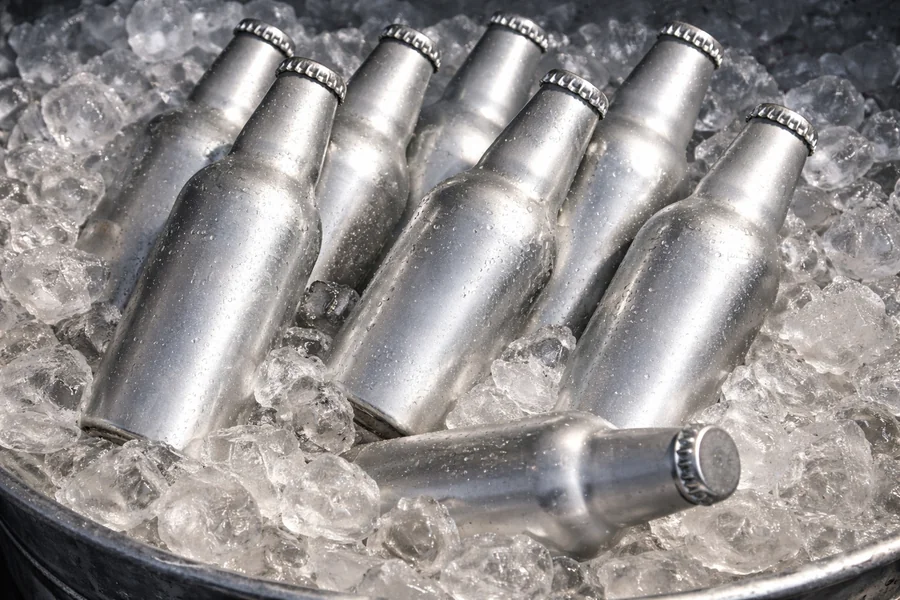
Beer is more than just a beverage. It is culture, craftsmanship, and ritual — from the careful balance of malt and hops to the moment the bottle is opened and the first sip is taken. As brewers continue to refine recipes and consumers become more sensitive to flavor, freshness, and sustainability, packaging has become an essential part of the beer experience. In this context, aluminum beer bottles are gaining attention as a packaging format that actively supports beer quality rather than merely containing it.
Beer Flavor Starts with Protection
One of the most critical enemies of beer flavor is light exposure. Ultraviolet and visible light can interact with hop compounds and cause the well-known “lightstruck” or “skunky” taste — a flaw especially noticeable in hop-forward beers such as IPAs, pale ales, and lagers. Traditional glass bottles, even brown ones, offer only partial protection.
Aluminum beer bottles, on the other hand, provide a complete light barrier. This means the beer inside is fully shielded from light damage from the moment it is filled until it is poured. For drinkers, this translates into cleaner aromas, brighter hop character, and a taste profile that reflects the brewer’s original intention.
For craft breweries that invest heavily in high-quality ingredients and precise brewing techniques, protecting flavor integrity is not optional — it is essential.
Freshness Matters More Than Ever
Freshness is a growing priority in today’s beer culture. Consumers expect beer to taste vibrant, aromatic, and balanced, whether they are enjoying a crisp pilsner or a hazy IPA. Oxygen exposure during storage and transport can dull flavors, flatten aromas, and shorten shelf life.
Modern aluminum beer bottles are designed with advanced sealing systems and food-grade internal coatings that help minimize oxygen ingress. This allows beer to maintain carbonation and aroma for longer periods compared to some traditional packaging formats. For breweries distributing beer across regions or exporting internationally, this added freshness stability is a major advantage.
Simply put, aluminum bottles help ensure that the beer tastes the way it should — not how time and exposure have altered it.
Temperature and the Drinking Experience
Serving temperature plays a surprisingly large role in how beer is perceived. Aluminum’s natural thermal conductivity allows aluminum beer bottles to chill faster and stay cold longer than glass. This feature is particularly appreciated by consumers who enjoy beer outdoors — at barbecues, music festivals, beaches, or sporting events.
A beer that cools quickly in an ice bucket or cooler reaches its ideal drinking temperature faster, preserving crispness and refreshment. For lighter styles such as lagers, wheat beers, and session ales, this cooling efficiency enhances drinkability and overall enjoyment.
In hot climates or casual food-and-beer settings, this small technical advantage becomes a noticeable upgrade to the drinking experience.
Beer on the Go: Safety and Convenience
Beer is increasingly consumed outside traditional bars and pubs. Picnics, food trucks, outdoor dining, camping, and festivals have become integral to modern beer culture. In these environments, safety and portability matter.
Unlike glass, aluminum does not shatter. Aluminum beer bottles are lightweight, durable, and safer in public or crowded spaces. Many venues that restrict glass containers readily allow aluminum packaging, making it easier for breweries to reach new consumption occasions.
For consumers, this means less worry about broken bottles and more freedom to enjoy beer wherever food and friends come together.
Sustainability and Conscious Beer Drinking
Today’s beer lovers care not only about taste, but also about impact. Sustainability influences purchasing decisions, particularly among younger consumers who value environmentally responsible brands.
Aluminum is one of the most recycled materials in the world and can be recycled indefinitely without losing quality. Choosing aluminum beer bottles supports a circular economy and significantly reduces environmental footprint compared to single-use materials.
For breweries, sustainable packaging strengthens brand values. For drinkers, it adds peace of mind — enjoying a great beer while making a more responsible choice.
Aesthetic Appeal and Storytelling
Beer packaging is storytelling. The label, shape, and texture all contribute to how a beer is perceived before it is even opened. Aluminum beer bottles offer exceptional creative freedom, allowing breweries to express identity through sleek designs, bold graphics, and premium finishes.
This is especially important in the craft beer world, where shelf differentiation and visual identity influence first-time purchases. A distinctive aluminum bottle immediately communicates innovation, quality, and modernity — qualities often associated with well-crafted beer.
Limited editions, seasonal releases, and specialty brews benefit particularly from aluminum bottles that elevate presentation and enhance the sense of occasion.
A Natural Fit for the Evolution of Beer Culture
Beer culture continues to evolve. Drinkers are more curious, more educated, and more selective. They care about ingredients, brewing methods, freshness, sustainability, and experience.
Aluminum beer bottles align naturally with these values. They protect flavor, preserve freshness, improve portability, and support sustainable consumption — all while maintaining the familiar, satisfying form of a bottle.
While glass bottles and cans will always have their place, aluminum beer bottles represent a thoughtful evolution in how beer is presented and enjoyed.
Conclusion
Great beer deserves packaging that respects the craft behind it. From preserving hop aromas to keeping beer cold, from enabling safer outdoor enjoyment to supporting sustainability, aluminum beer bottles enhance the beer experience at every stage.
As brewers and consumers continue to seek better ways to enjoy beer alongside food, friends, and everyday moments, aluminum beer bottles are proving to be more than a packaging trend — they are a meaningful upgrade to modern beer culture.