
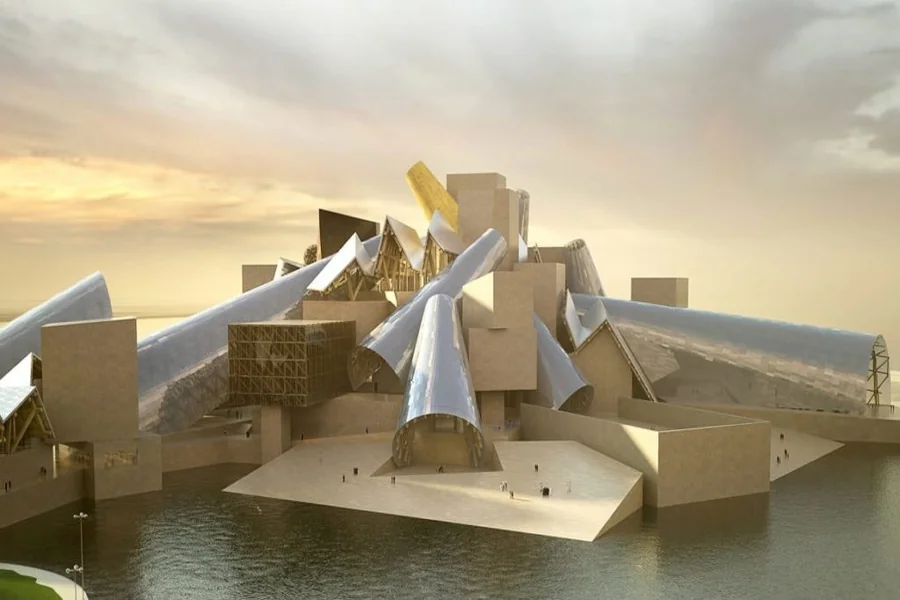
When it comes to cultural landmarks that inspire awe even before they open their doors, few projects generate as much anticipation as the Guggenheim Abu Dhabi. Designed by world-renowned architect Frank Gehry, the museum is set to be the largest Guggenheim in the world and a defining part of the Saadiyat Cultural District. Its striking form, innovative use of materials, and seamless integration with its surroundings promise not only to house art but to be a work of art in its own right.
In this article, we explore the design vision behind the Guggenheim Abu Dhabi, how it reflects Gehry’s signature style, and the way it contributes to the grand cultural tapestry of Saadiyat Island.
A Vision Beyond Walls
Frank Gehry is known for pushing the boundaries of architecture, and the Guggenheim Abu Dhabi is no exception. From the outset, the brief was clear — this was not to be a conventional museum. Instead, it had to be a dynamic cultural space that reflects Abu Dhabi’s role as a meeting point for global cultures.
The design combines towering cones, interlocking blocks, and vast gallery spaces. These elements create a sense of movement, almost as if the building itself is in dialogue with the art it will host. Gehry’s use of industrial materials, including sand-coloured stone and glass, pays homage to the surrounding desert and the shimmer of the Arabian Gulf.
The Saadiyat Cultural District Connection
The Guggenheim Abu Dhabi is more than just a stand-alone marvel — it is part of a much larger vision. Located within the Saadiyat Cultural District, the museum will join other world-class institutions, including the Louvre Abu Dhabi, Zayed National Museum, and TeamLab Phenomena. Together, they form a cultural corridor that positions Abu Dhabi as a global leader in arts and heritage.
Gehry’s design respects this context. The building’s scale, materials, and placement all align with the district’s masterplan. While the museum’s silhouette is unmistakably bold, it doesn’t overshadow its neighbours. Instead, it enhances the overall experience of the island, inviting visitors to explore its rich blend of art, history, and innovation.
A Play of Light and Space
One of the most remarkable features of the Guggenheim Abu Dhabi is how it uses light. Gehry has designed the building so that natural light floods into the galleries through carefully placed skylights and windows. This not only reduces reliance on artificial lighting but also creates a constantly changing atmosphere inside.
The vast, open spaces are adaptable for exhibitions of all scales, from intimate installations to monumental works that require entire rooms. Some galleries will be suspended, allowing visitors to enjoy dramatic views of the sea and city skyline in between art encounters.
Inspired by the Desert and the Sea
Gehry’s design draws inspiration from Abu Dhabi’s natural environment. The angular structures mimic wind towers — a traditional architectural feature in the region — while the use of reflective surfaces captures the changing hues of the sky and water.
The museum’s exterior is designed to weather naturally, allowing it to blend even more seamlessly into the coastal landscape over time. This is architecture that evolves, much like the culture it represents.
Innovation Meets Sustainability
Modern museums are no longer judged solely on their ability to display art — their environmental footprint also measures them. The Guggenheim Abu Dhabi incorporates sustainable building practices, from energy-efficient systems to the use of locally sourced materials. The design takes into account the harsh desert climate, using natural ventilation and shading to maintain comfortable interior temperatures while reducing energy use.
These measures align with Abu Dhabi’s broader commitment to sustainability and innovation, ensuring that the museum will serve as a model for future cultural developments in the region.
Building Anticipation
Though the museum is still under development, its promise has already captured global attention. Art lovers, architecture enthusiasts, and cultural tourists are all eager to see how Gehry’s vision will transform from concept to reality. Follow the latest updates in Abu Dhabi to know more about the opening date of the Guggenheim, one of the most talked-about projects shaping the emirate’s cultural future.
A Space for Dialogue and Discovery
When it opens, the Guggenheim Abu Dhabi will not only house a vast collection of modern and contemporary art but also serve as a platform for dialogue. Its programming is expected to include artist residencies, public lectures, and educational initiatives designed to engage local and international communities.
By creating spaces that encourage interaction, the museum reinforces Abu Dhabi’s mission to be a place where cultures meet, ideas are exchanged, and creativity thrives.
Why the Design Matters
The architecture of the Guggenheim Abu Dhabi is not just about visual impact; it’s about function, symbolism, and legacy. Gehry’s design makes a statement about the power of art to shape cities and societies. It tells visitors that this is a place where boundaries are blurred, where tradition and innovation coexist, and where the future of cultural exchange is being written.
In years to come, the building itself is likely to become as iconic as the art it holds. Much like the Guggenheim Bilbao transformed its city into a cultural hotspot, the Abu Dhabi edition is poised to leave a lasting mark on the global art map.
Final Thoughts
The Guggenheim Abu Dhabi is more than an architectural project; it’s a cultural landmark in the making. Frank Gehry’s design combines bold creativity with deep respect for the local environment and cultural vision. As part of the Saadiyat Cultural District, it will stand as a beacon for art lovers worldwide, offering a space where the beauty of design meets the power of artistic expression.
When the museum finally opens its doors, visitors will experience not just exhibitions but an architectural journey that begins the moment they set eyes on the building. And in doing so, the Guggenheim Abu Dhabi will take its place among the world’s great cultural icons.