
Summary: Choosing the best old age home in India is no longer just about finding a room—it’s about selecting a proactive ecosystem of care. This 2026 guide explores how luxury old age homes are redefining senior living through medical readiness, senior-centric architecture, and social engineering to ensure safety and dignity for aging parents.
For most Indian families, the search for the best old age home begins during a “quiet crisis” a fall, a sudden hospital discharge, or the realization that aging parents are struggling with the logistics of an empty house. For adult children living in different cities or abroad, these decisions feel heavy and irreversible.
In this moment, the term “old age home” often triggers outdated images of rigid routines. In reality, modern senior living in India has evolved. By 2026, the shift toward luxury old age homes has prioritized safety, lifestyle, and clinical oversight, moving the conversation from “last resort” to “proactive choice.”
How Old Age Homes in India Have Evolved
Traditional old age homes in India functioned primarily as basic shelters. Today, the expectation has shifted toward environments that support health, autonomy, and emotional well-being.
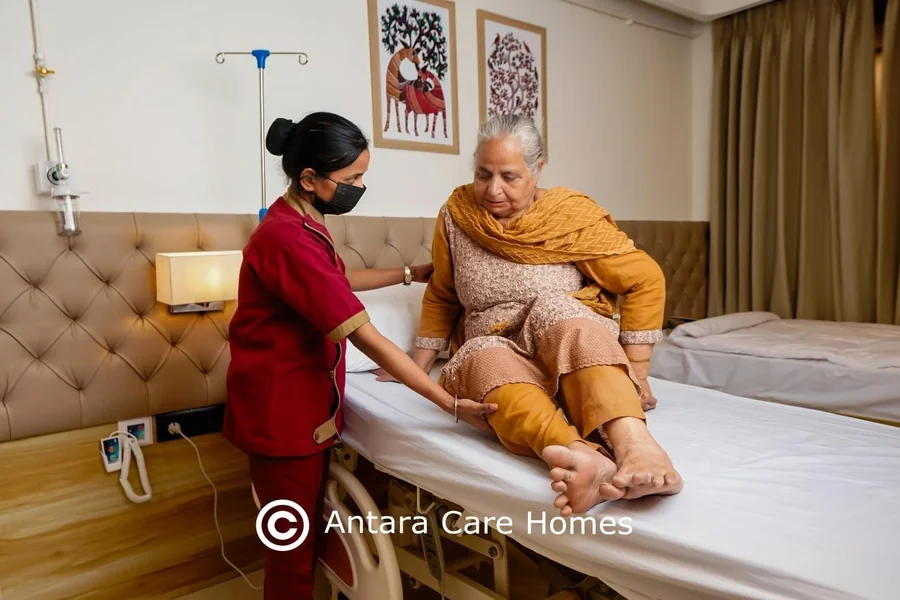
Modern facilities now function as structured communities. Premium old age homes integrate medical oversight with social engagement, making them suitable for both independent seniors and those who require daily assistance. This evolution is driven by longer lifespans and the reality of urban nuclear families, where adult children must manage care from a distance.
What Sets Luxury Old Age Homes Apart
A luxury old age homes model is not about indulgence; it is about the “Quality of Care.” In the senior living sector, luxury translates to the reliability of systems. Key differentiators in 2026 include:
- Staff-to-Resident Ratios: Higher ratios ensure personalized attention rather than generic monitoring.
- Geriatric Expertise: Caregivers and nurses are trained specifically in age-related conditions like dementia and sarcopenia.
- Infrastructure: Quiet, senior-friendly designs that prioritize privacy and dignity.
- Predictability: The ability to respond to a medical or emotional crisis within minutes.
Facilities That Support Independence, Not Dependency
Good senior living environments help residents do more on their own, not less. Architecture plays a critical role in this. In an elderly home, specialized design serves as “invisible help.” Key features to look for include:
- Barrier-free layouts that eliminate trip hazards.
- Anti-skid flooring specifically designed for aging gaits.
- Intuitive lighting that reduces visual strain and prevents falls.
According to WHO age-friendly housing guidelines, seniors in adapted environments maintain mobility longer. When the environment is safe, the fear of falling decreases, which directly encourages physical activity and mental confidence.
Care Homes and Medical Readiness
The best care homes operate with a “medical-first” mindset without feeling like a hospital. Data from the Longitudinal Ageing Study in India (LASI) shows that nearly 70% of Indian seniors live with at least one chronic condition. Therefore, medical readiness is a baseline requirement, not an optional extra.
Families should evaluate if the facility provides:
- 24/7 Nursing: Immediate triage for midnight emergencies.
- Medication Management: Automated systems to prevent dosage errors.
- Care Escalation: A clear plan for when health needs transition from independent to assisted living.
Paid Old Age Homes: Understanding Value vs. Cost
The category of paid old age homes includes a wide range of pricing models. While the upfront cost of a premium facility may seem higher, it often reduces “hidden costs” later. Frequent hospitalizations, high caregiver turnover at home, and the emotional toll of unmanaged emergencies often exceed the cost of a structured old age home. When evaluating a paid old age home, transparency in pricing and the breadth of included services are the most critical factors.
The Social Environment: The Lancet’s Warning
Loneliness is a significant health risk. Studies in The Lancet Healthy Longevity link prolonged isolation to faster cognitive decline. High-quality luxury old age homes design social engagement into the daily rhythm. Peer interactions, shared meals, and hobby clubs are not just “activities”; they are essential components of mental health that keep the brain active and engaged.
Selection Checklist: What Families Should Evaluate
Use this structured checklist to move beyond instinct and evaluate the systems behind the facility:
| Category | Key Evaluation Point |
| Care Continuity | Can care levels increase if health declines without moving the resident? |
| Medical Access | Are there on-site nurses and established tie-ups with Tier-1 hospitals? |
| Staff Quality | Are caregivers trained in geriatric care and dementia awareness? |
| Safety Systems | Does the facility have emergency pull-cords and anti-skid infrastructure? |
| Financial Clarity | Is the pricing predictable, or are there hidden “per-service” charges? |
The Role of Adult Children: Moving Past Guilt
Adult children often carry the weight of guilt when considering an elderly home. However, research shows that family relationships often improve once the “logistics of care” are handled by professionals. When visits are no longer consumed by medication checklists and home repairs, they return to being about emotional connection and quality time.
Final Thoughts: Choosing With Clarity
The best luxury old age homes in India are those that families choose proactively. By 2026, the senior living market has matured to offer sophisticated ecosystems that prioritize dignity and stability. When families look beyond labels and focus on safety systems and community, they find more than a residence—they find a long-term strategy for a parent’s peace of mind.