
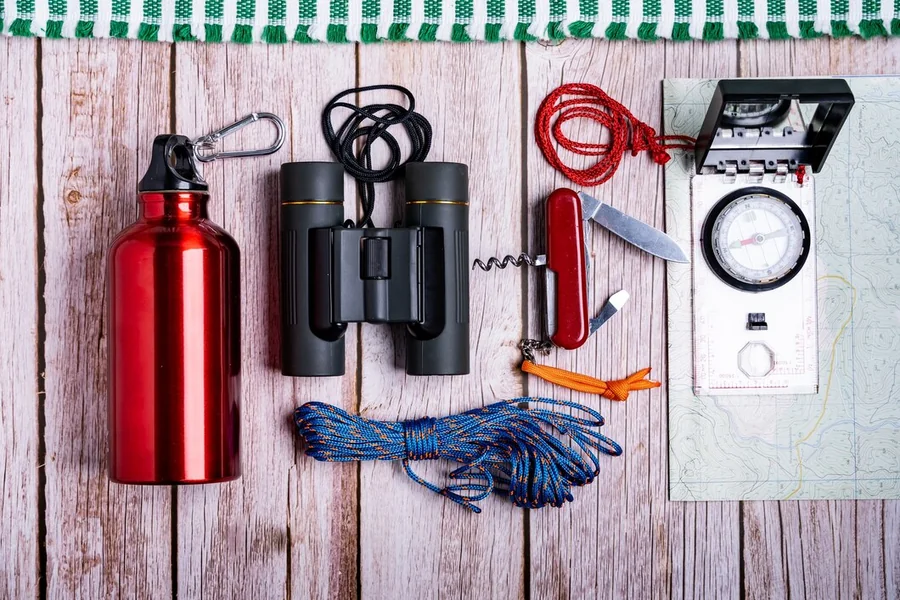
Camping can be a kind of freedom infrequently experienced through other outdoor activities. But the thin line between a memorable experience and a stressful one frequently lies in preparation. The right equipment ensures comfort, safety, and effectiveness in traipsing the changing outside. Whether you are an experienced backpacker or a novice camper, having a well-chosen set of essential tools with you can work wonders. This guide outlines five must-have camping tools that no outdoor lover should leave behind, each precisely named to balance utility, weight, and trustability.
Reliable Shelter: Your First Line of Protection
A strong, weather-resistant tent is the backbone of any camping roster. It protects you from the elements, offering a dry retreat when rain pours or winds swell. Modern tents today are made with featherlight materials while keeping their strength intact without adding redundant bulk. Find those with reinforced seams, double zippers, and leakproof coatings that can repel unforeseen changes in rainfall. Of equal significance is a high-quality sleeping bag rated for the temperatures you’ll probably face. Insulation type, either down or synthetic, influences warmth, weight, and packability; a compact resting pad also provides essential insulation from cold ground surfaces during chilly nights.
Lighting Equipment: Illuminating Your Camp
When daylight fades, reliable lighting is a necessity, not a luxury. Headlamps and portable lanterns extend the day’s usability, allowing you to cook, read, or navigate the campground well after the sun has set. Modern LED technology is brighter and longer-lasting while keeping devices lightweight and compact. Rechargeable headlamps have variable brilliance levels, and those coverings are leakproof, hence versatile in operation across different conditions. Lanterns make great ambient light in groups, while solar-powered models or those with USB charging capacities minimize reliance on disposable batteries and are therefore more eco-friendly. Always carry extra batteries or a power bank backup to prevent unanticipated outages.
Cutting Tools: The Essential Utility of a Quality Knife
Among all the different types of camping tools, a dependable cutter is absolutely unique in its versatility. It helps in food preparation, fixing equipment, and meding injuries, as well as in survival tasks. The proper blade becomes an extension of your hand, handling fine work such as cutting rope or paring tinder to start a fire. When choosing one, invest in a durable folding knife that combines sharpness, corrosion resistance, and a comfortable grip. Folding mechanisms with secure locking systems add safety while maintaining portability. High-carbon or stainless steel blades have different advantages; one gives better edge retention, and the other resists rust and requires lower maintenance.
Fire-Making Tools: Harnessing the Element of Warmth
Fire is both a comfort and a necessity in nature for warmth, cuisine, water purification, and protection from nightly predators. A dependable fire-starting kit includes leakproof matches, a ferrocerium rod, and a butane lighter for redundancy. While accessible to use, matches and lighters perform inadequately in damp or windy conditions, whereas ferro rods are harmonious players. Complement your ignition tools with tinder, which may include cotton balls covered in petroleum jelly or pre-made fire starters that start fluently and burn long enough to catch the larger materials on fire. Learning to make and maintain a sustainable fire is an essential camping skill that will let you acclimatize to various surroundings with confidence.
Navigation and Communication Devices: Staying Oriented and Safe
Modern technology has given outdoor navigation an unknown degree of perfection, but classic methods aren’t to be undervalued. A topographic map and a magnetic compass are the best backups, since they never run out of batteries or signal. Knowing how to read contour lines and bearings can be a lifesaver when electronic devices fail. For convenience and effectiveness, GPS devices and smartphone operations support real-time tracking and route planning; it’s good to remember that these gadgets need power to operate. Carrying a portable solar charger or power bank will keep them going. Two-way radios or satellite messengers give dependable communication in remote areas where cellular networks are unattainable. These tools enable you to send distress signals, share coordinates, or stay connected with companions during extended expeditions.
The formula for a successful campout consists of preparedness and resourcefulness. Besides assuring safety, the essential tools will let you completely enjoy your time in the great outdoors without being bothered by stress. Be it working one’s way through the bush trails or boarding under the star-speckled evening sky, with the right gear, the implicit challenges become opportunities for self-reliance and discovery.