
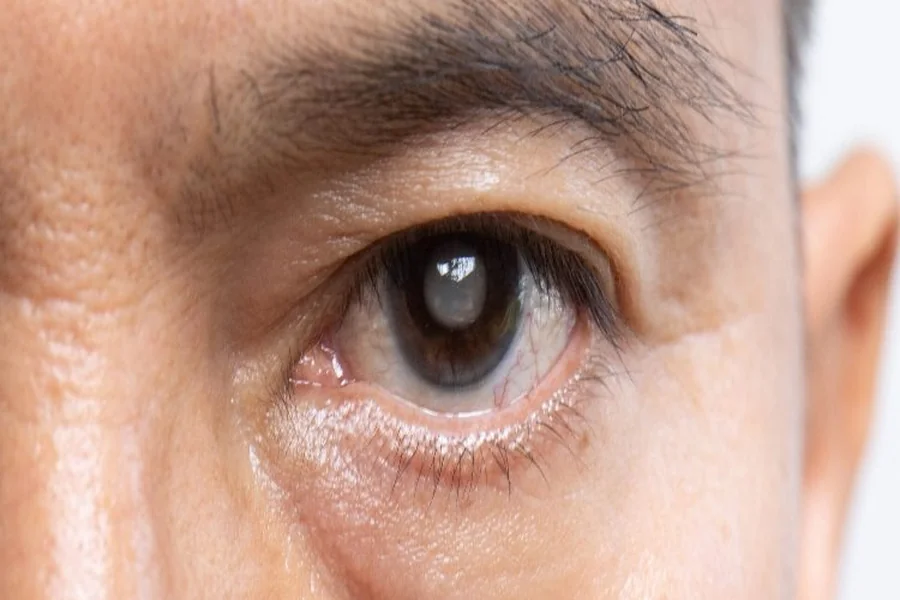
Although, as of now, glaucoma doesn’t have a proper cure, modern treatments can slow or stop damage and protect your sight. Early care is key, and recent advances also make it easier to live with glaucoma. So, let’s see and understand some recent treatment advancements of glaucoma:
Minimally Invasive Glaucoma Surgery (MIGS)
MIGS offers gentler surgery that lowers eye pressure with less risk and faster recovery than older operations. Microstents and trabecular bypass tools are placed through tiny cuts and often combined with cataract surgery. MIGS is suitable for people with mild to moderate Glaucoma who want fewer medicines. Surgeons now choose devices based on eye anatomy to improve outcomes. Many patients reduce or stop some drops after MIGS.
Sustained-Release Drug Implants
New implants release pressure-lowering drugs inside the eye for months. The bimatoprost implant cuts pressure for open-angle disease and reduces the need for daily drops, leading to fewer clinic visits. These implants help people who struggle with eye drops and lower the risk of missed doses. They also offer a consistent and stable level of medication, thereby better controlling the eye pressure.
New Medication Classes
New medications include Rho kinase inhibitors and nitric oxide-donating prostaglandins, which all work to improve fluid drainage. Medications like Netarsudil and Latanoprostene Bunod are also good options for patients who prefer not to use standard eyedrops. Ongoing research continues to explore how these medicines can be combined for more personalized care. These medicines let your doctor tailor treatment to how your eye responds. Most are well-tolerated, but there can be side effects, for which the doctors monitor your body’s response.
Advanced Laser Therapies
Laser care is more precise and useful earlier in treatment. Selective laser trabeculoplasty (SLT) reduces dependence on drops and is often used as either first or second-line treatment. Micropulse cyclophotocoagulation (MCPC) can lower pressure while causing less tissue damage than older lasers. It is a part of the care plan for many patients and potentially reduces the need for more extensive surgery.
Gene Therapy and Neuroprotection Research
Scientists are creating gene and cell-based approaches to protect nerve cells in the eye or enhance fluid flow. These remain experimental, but are being developed for a future that includes long-term protection aside from simply lowering pressure. Trials are underway and offer hope for options beyond what we have today.
Personalized and Combination Therapies
Clinicians are now combining drugs, lasers, and devices to better control pressure in ways that fit daily life. In glaucoma, it means finding the right balance between effectiveness, safety, and the effects of treatment on the quality of life. Your physician may start with a laser, add a new drug class, or use a MIGS device during cataract surgery to reduce the usage of drops. However, you and your doctor should discuss goals and trade-offs before deciding.
If you want clear patient guides and to learn about options that suit you, many hospitals, such as Dr. Agarwals Eye Hospital, provide helpful resources and guides that explain available modern options in simple language.
Glaucoma care today focuses on preventing further damage to your vision. With newer surgeries, implants, drugs, and future gene options, you and your doctor can choose a plan that fits your needs and helps preserve sight for years to come. Talk openly with your care team to curate a plan that perfectly fits your lifestyle.
