
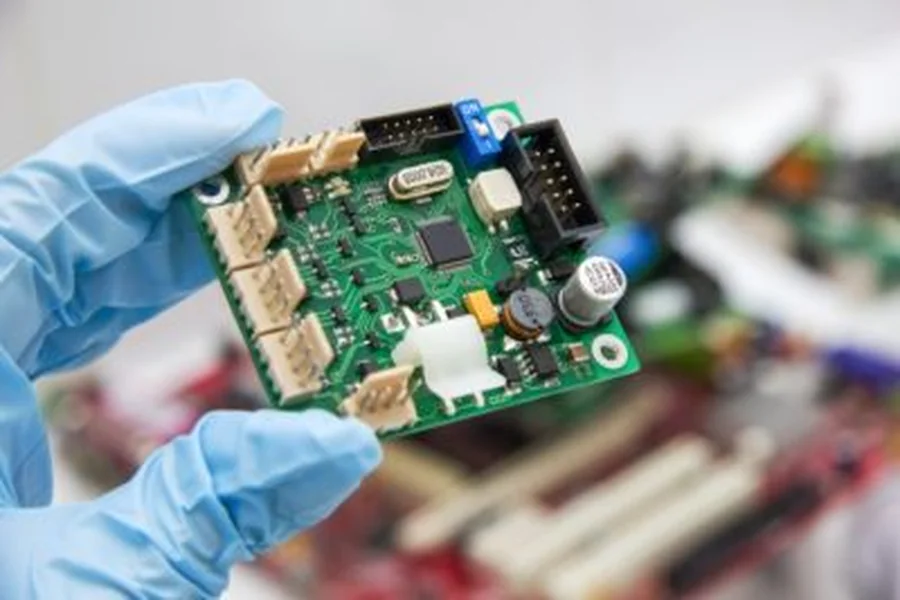
Printed circuit boards (PCBs) are the foundation of nearly every electronic device we use. From smartphones and laptops to complex industrial machinery and medical equipment, these boards provide the essential connections that allow components to communicate and function. Sourcing high-quality manufacturing is critical for product success, which leads many companies to explore China PCB printed circuit board assembly services. This choice is driven by a combination of advanced capabilities, cost-effectiveness, and a mature electronics manufacturing ecosystem.
Choosing the right assembly partner is a crucial decision that impacts product reliability, performance, and time-to-market. A poorly assembled board can lead to device failures, costly recalls, and damage to a company’s reputation. This article explores why China has become a global hub for PCB assembly, the benefits of prioritizing high-quality boards, and the comprehensive services you can expect from leading Chinese providers.
The Critical Role of PCB Assembly
PCB assembly, or PCBA, is the process of mounting electronic components onto a bare printed circuit board. This intricate process transforms an empty board into a functional electronic system, often referred to as a Printed Circuit Board Assembly. The quality of this assembly process directly determines the final product’s functionality and longevity.
The assembly process involves several key steps:
- Solder Paste Application: A stencil is used to apply solder paste to the specific pads on the board where components will be placed.
- Component Placement: Automated pick-and-place machines precisely position surface-mount devices (SMDs) onto the solder paste.
- Reflow Soldering: The board passes through a reflow oven, where controlled heat melts the solder paste, creating strong electrical connections as it cools.
- Inspection and Quality Control: Assemblies are inspected using methods like Automated Optical Inspection (AOI) to check for placement errors, solder joint defects, or other issues.
- Through-Hole Component Insertion: Larger components with leads are inserted through holes in the board and soldered, often using a wave soldering process.
- Final Inspection and Functional Testing: The completed board undergoes a final inspection and functional tests to ensure it operates according to its design specifications.
A single mistake at any stage can compromise the entire board. This makes expertise, precision, and robust quality control non-negotiable elements of the assembly process.
Why Choose China for PCB Assembly?
For decades, China has cultivated a dominant position in the global electronics manufacturing industry. This leadership is not just about low costs; it’s a result of strategic investments in technology, infrastructure, and a highly skilled workforce. When companies choose China for PCB assembly, they tap into a powerful and mature ecosystem.
Advanced Technological Capabilities
Chinese PCB assembly providers have invested heavily in state-of-the-art equipment and technology. They operate facilities equipped with high-speed pick-and-place machines, advanced reflow ovens, and sophisticated inspection systems like AOI and X-ray. This allows them to handle complex designs, including those with fine-pitch components, Ball Grid Arrays (BGAs), and high-density interconnects (HDIs). This technological proficiency ensures precision, consistency, and the ability to produce high-volume orders efficiently.
Cost-Effectiveness and Scalability
One of the most significant advantages of partnering with Chinese manufacturers is cost-effectiveness. The combination of an efficient supply chain, economies of scale, and optimized production processes allows them to offer competitive pricing without compromising quality. Furthermore, these facilities are built for scalability. Whether you need a small batch of prototypes or a massive production run of millions of units, Chinese assemblers have the capacity to meet fluctuating demands, helping you scale your business effectively.
A Mature and Integrated Supply Chain
China’s electronics industry is supported by a deeply integrated supply chain. Raw materials, components, and specialized services are readily available, often in close proximity to assembly houses. This proximity reduces lead times for sourcing parts and minimizes logistical complexities. If a specific component is needed quickly, chances are it can be sourced locally, preventing production delays and keeping projects on schedule. This streamlined ecosystem is a key reason why China can deliver finished assemblies faster than many other regions.
The Tangible Benefits of High-Quality Boards
Investing in high-quality PCB assembly is not an expense; it’s a strategic decision that pays dividends throughout the product lifecycle. Low-quality boards might seem cheaper upfront, but they often lead to higher long-term costs due to failures, repairs, and customer dissatisfaction.
Enhanced Product Reliability and Longevity
High-quality assembly results in robust solder joints, correct component placement, and boards free from manufacturing defects. This directly translates to a more reliable end product. Devices are less likely to fail in the field, leading to a longer operational lifespan. For products in critical applications like medical, automotive, or aerospace, this reliability is a matter of safety and is non-negotiable.
Improved Performance and Functionality
The precision of the assembly process affects the electrical performance of the board. Proper soldering ensures optimal signal integrity, reducing noise and interference that can degrade performance. For high-frequency or high-speed applications, even minor imperfections can lead to significant functional issues. High-quality assembly ensures that the board performs exactly as the design engineers intended.
Reduced Total Cost of Ownership
While the initial cost of a low-quality board may be lower, the total cost of ownership is often much higher. This includes costs associated with warranty claims, product returns, repair services, and damage to brand reputation. By investing in quality from the start, you minimize these downstream expenses and protect your bottom line. A reliable product leads to happier customers, positive reviews, and a stronger market position.
Comprehensive Services Offered by Chinese PCB Assembly Providers
Leading Chinese PCB assembly companies offer more than just soldering components onto a board. They provide a full suite of turnkey services designed to streamline the entire manufacturing process, from concept to delivery.
Design for Manufacturability (DFM) Analysis
Before production begins, many providers offer a DFM check. Their engineers review your design files to identify potential manufacturing issues, such as component spacing that is too tight or pads that are difficult to solder. This proactive step helps optimize the design for efficient, high-yield production, saving you time and money by catching problems before they make it to the factory floor.
Component Sourcing and Management
A major advantage of turnkey services is component procurement. The assembly provider leverages its extensive network of trusted suppliers to source all the necessary parts for your project. They manage the entire process, from verifying component authenticity to handling inventory. This frees you from the complex and time-consuming task of sourcing hundreds of different parts from various distributors.
Prototyping and Full-Scale Production
Chinese assemblers support the entire product development lifecycle. They offer rapid prototyping services to help you test and validate your designs with a small batch of boards. Once the design is finalized, they can seamlessly transition to low-volume or high-volume mass production, using the same quality standards and processes to ensure consistency between the prototypes and the final product.
Rigorous Testing and Quality Assurance
Quality control is integrated into every step of the process. In addition to standard inspections like AOI, providers offer a range of testing services to guarantee functionality. These can include In-Circuit Testing (ICT), Flying Probe tests, and custom functional tests to verify that each board works as expected. This commitment to testing ensures that only fully functional, high-quality boards are shipped to the customer.
Conclusion
Choosing the right partner for PCB assembly is one of the most important decisions in electronics manufacturing. China PCB assembly services provide a compelling solution for businesses seeking high-quality boards at a competitive price. With their advanced technology, scalable capacity, and comprehensive turnkey services, Chinese providers empower companies to bring reliable and high-performing products to market efficiently. By prioritizing quality in the assembly process, you build a foundation for product success, enhance your brand’s reputation, and achieve a lower total cost of ownership in the long run.