
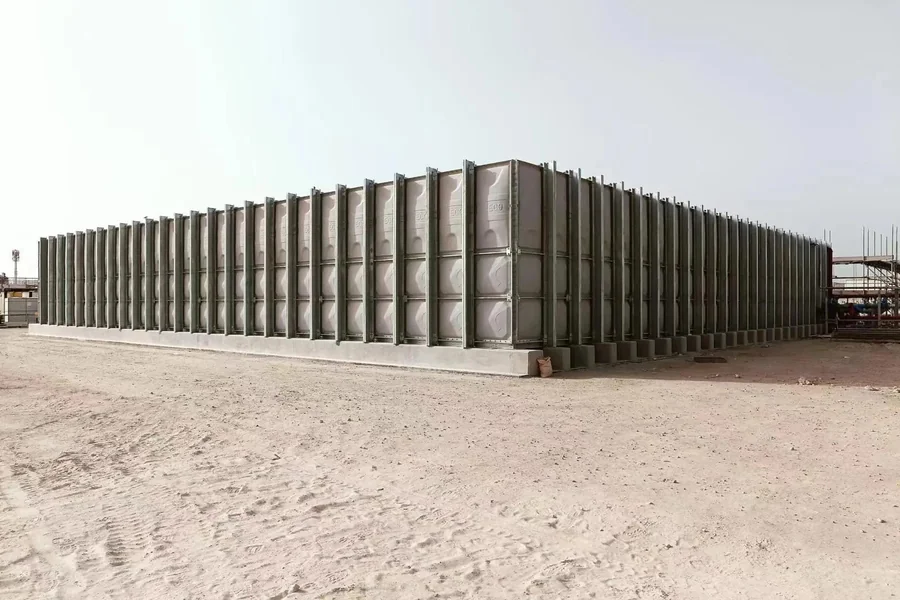
Water storage is a fundamental part of residential, commercial, and industrial infrastructure. Choosing the right type of water tank is vital to ensure longevity, efficiency, and sustainability. Two popular options in the market today are GRP (Glass Reinforced Plastic) tanks and traditional plastic water tanks. But how do they compare?
With a closer look at their definitions, manufacturing processes, uses, and benefits, this guide will help you understand the key differences and determine which option is the best fit for your needs.
Introduction to GRP and Traditional Plastic Water Tanks
GRP Tanks are high-performance solutions made from glass fiber-reinforced plastics. Known for their superior strength and durability, GRP tanks are widely used in industries with demanding applications, including water storage in harsh environments.
Traditional Plastic Water Tanks, on the other hand, are typically constructed from high-density polyethylene (HDPE) or linear low-density polyethylene (LLDPE). These tanks are popular for residential and agricultural use due to their affordability and ease of installation.
Both tank types offer unique advantages and serve distinct purposes, depending on what you’re looking for in terms of performance, cost, and environmental considerations.
GRP Tanks: Definition, Manufacturing, and Uses
What Are GRP Tanks?
GRP tanks are made from composite materials that combine glass fibers with resin. This creates a structure that is lightweight yet exceptionally strong and resistant to corrosion, making GRP tanks ideal for storing water and chemicals in challenging environments.
How Are GRP Tanks Made?
The manufacturing process involves layering glass fibers with thermosetting resins, which are then cured to form a solid, robust structure. This process ensures a seamless, leak-proof finish that enhances the tank’s durability and lifespan.
What Are They Used For?
GRP tanks are commonly used in:
- Industrial and factory settings
- Municipal water supply systems
- Fire-fighting applications
- Harsh coastal or marine environments
Their corrosion resistance and temperature tolerance allow them to perform well in extreme conditions.
Traditional Plastic Water Tanks: Definition, Manufacturing, and Uses
What Are Traditional Plastic Water Tanks?
Traditional plastic water tanks are primarily made from high-density polyethylene or polypropylene materials. They are designed for typical water storage applications, especially in residential and small-scale commercial settings.
How Are they Made?
These tanks are commonly manufactured using rotational molding (or “rotomolding”) or blow molding. Heated plastic material is poured into a mold, rotated to shape the tank, and allowed to cool. The result is a single-piece, seamless tank that is durable and cost-effective.
What Are They Used For?
Traditional plastic water tanks are often chosen for:
- Residential water storage
- Agricultural purposes (e.g., irrigation)
- Rainwater harvesting systems
- Temporary water storage solutions
Their versatility and affordability make them a go-to solution for everyday water storage needs.
Comparison of GRP Tanks and Traditional Plastic Water Tanks
When choosing a water tank, understanding their differences in key areas such as durability, cost, environmental impact, and ease of installation is crucial.
1. Durability
GRP Tanks:
- Highly resistant to corrosion, weathering, and UV damage.
- Long lifespan (20–50 years depending on maintenance).
- Robust enough to handle high pressures and extreme temperatures.
Traditional Plastic Tanks:
- Less resistant to extreme environmental conditions.
- Vulnerable to wear and tear over time, particularly under high temperatures or prolonged UV exposure.
- Shorter lifespan (10–20 years on average).
- Cost
GRP Tanks:
- High upfront cost due to materials and manufacturing complexity.
- Lower maintenance costs over time, making it a good long-term investment.
Traditional Plastic Tanks:
- More affordable initially, making them accessible for households and small-scale businesses.
- May incur higher maintenance or replacement costs in the long run.
3. Environmental Impact
GRP Tanks:
- Manufacturing involves energy-intensive processes and resins, which may have a higher environmental footprint initially.
- Long lifespan reduces waste generation over time.
Traditional Plastic Tanks:
- More environmentally friendly manufacturing processes.
- Shorter lifespan often contributes to more frequent replacements and techsslaash plastic waste.
4. Installation
GRP Tanks:
- Bulkier and heavier (although lightweight relative to their size), requiring professional installation.
- Modular GRP tanks offer flexibility for on-site assembly in tight spaces.
Traditional Plastic Tanks:
- Lightweight and easy to handle.
- DIY-friendly for most household installations, with minimal setup required.
Pros and Cons of GRP Tanks
Pros:
- Superior strength and durability, even in harsh conditions.
- Resistant to corrosion, UV rays, and extreme temperature fluctuations.
- Long lifespan reduces the need for frequent replacements.
- Fully customizable for specific applications or tight spaces.
Cons:
- High initial cost.
- Requires professional installation.
- Environmental footprint due to manufacturing processes.
Pros and Cons of Traditional Plastic Water Tanks
Pros:
- Affordable and readily available.
- Lightweight and easy to transport or install.
- Suitable for a wide range of residential and agricultural uses.
- Lesser environmental impact during manufacturing.
Cons:
- Vulnerable to UV damage and weathering over time.
- Shorter lifespan compared to GRP tanks.
- May require frequent replacements, increasing long-term costs.
Making the Right Choice for Your Needs
Both GRP tank and traditional plastic water tanks have their own merits and limitations. Selecting the right option depends largely on your specific requirements:
- For industrial or high-demand applications in challenging environments: GRP tanks are the better option due to their strength, durability, and resistance to chemical and environmental factors.
- For residential or small-scale agricultural purposes: Traditional plastic tanks are a cost-effective, practical choice that gets the job done without heavy investment.
If you’re still unsure, consider your budget, installation flexibility, and long-term needs. Investing in the right water tank will save you time, money, and maintenance headaches down the line.