
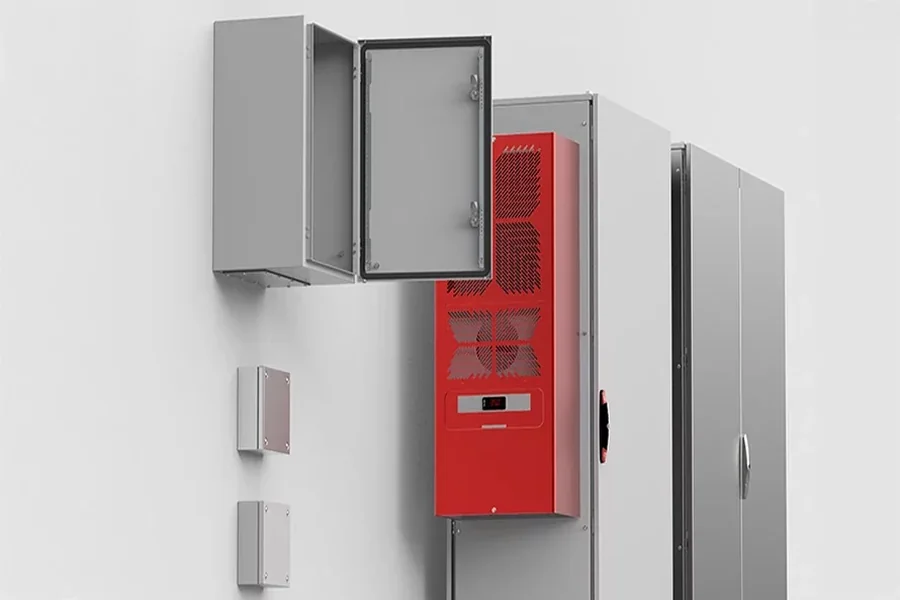
Industrial equipment and sensitive electronics are often the backbone of critical operations, from manufacturing plants to remote oil rigs. Protecting these assets from damage is not just a priority; it’s a necessity for maintaining uptime, ensuring safety, and preventing costly failures. When operations are located in harsh environments, standard protection simply is not enough. This is where a durable stainless steel enclosure proves its unmatched value, offering superior resilience against corrosion, impact, and extreme conditions. Understanding the unique properties of these enclosures reveals why they are the premier choice for safeguarding vital components in the world’s toughest settings.
This article will explore the importance of stainless steel enclosures by detailing their key durability features, comparing common material types, highlighting their use in demanding industries, and outlining best practices for maintenance to ensure a long service life.
Why Standard Enclosures Fail in Harsh Environments
Harsh environments present a constant, multi-faceted threat to electrical and electronic systems. Standard enclosures, often made from painted carbon steel or certain plastics, are simply not engineered to withstand the relentless assault of these conditions. The result is premature failure, which leads to expensive equipment replacement, operational downtime, and significant safety hazards.
These challenging settings typically include:
- Corrosive Atmospheres: Chemical plants, coastal areas with salt spray, and wastewater treatment facilities expose equipment to substances that rapidly degrade lesser materials. For example, the hydrogen sulfide gas present in wastewater plants can eat through standard coatings in months, leaving carbon steel vulnerable to rust.
- Extreme Temperatures: Deserts, foundries, and cold storage facilities subject enclosures to immense thermal stress. This can cause materials to become brittle and crack in the cold or warp and lose structural integrity in the heat. A plastic enclosure that functions perfectly at room temperature may shatter from a minor impact at -20°F (-29°C).
- High Moisture and Humidity: Outdoor installations, food processing plants, and marine applications involve constant exposure to moisture. Once an enclosure’s seal is compromised, moisture ingress can lead to short circuits, component corrosion, and complete system failure.
- Physical Impact and Vibration: Manufacturing floors, construction sites, and public areas are prone to accidental impacts from vehicles, tools, or personnel. Likewise, equipment mounted near heavy machinery experiences constant vibration. These forces can compromise an enclosure’s integrity, break seals, and damage internal components.
Standard enclosures often fail because their protection is superficial. Paint on carbon steel can chip or scratch, immediately exposing the underlying metal to corrosion. Plastics can degrade under UV radiation, becoming discolored and brittle over time. These failures are not just inconvenient; they represent a critical vulnerability in an operational chain.
Key Features That Make Stainless Steel Enclosures Durable
Stainless steel possesses an inherent combination of properties that make it exceptionally durable for demanding applications. Its primary advantage comes from the inclusion of chromium, which forms a passive, self-repairing layer of chromium oxide on the surface. This invisible film prevents corrosion and is the secret to the material’s remarkable longevity.
Superior Corrosion Resistance
The chromium oxide layer is the star player in stainless steel’s performance. It acts as a formidable barrier, protecting the underlying steel from moisture, chemicals, and other corrosive agents. The most impressive feature of this layer is its ability to self-heal. If the surface is scratched or damaged, the passive layer instantly reforms as long as oxygen is present. This ensures continuous, uninterrupted protection. This self-healing characteristic is what sets stainless steel far apart from coated materials, which are permanently compromised once their protective layer is breached.
High Strength and Impact Resistance
Stainless steel offers excellent tensile strength and hardness. This makes enclosures highly resistant to dents, punctures, and deformation from physical impacts. Its structural integrity ensures that seals and gaskets remain intact and that internal components stay protected, even in high-traffic or accident-prone areas. For instance, a stainless steel enclosure can withstand impacts that would shatter a plastic box or permanently dent a carbon steel one, preserving the NEMA or IP rating. This robustness translates directly to a longer service life and a reduced need for repairs or replacements.
Tolerance for Extreme Temperatures
Unlike many plastics that can become brittle in the cold or soften in the heat, stainless steel maintains its mechanical properties across an incredibly wide temperature range. It can withstand both cryogenic temperatures found in liquefied natural gas facilities and the extreme heat of a furnace-side control panel without losing its strength or becoming compromised. This thermal stability makes it suitable for virtually any environment on Earth.
Hygienic and Easy to Clean
The non-porous surface of stainless steel resists the growth of bacteria, mold, and other microorganisms. It can also be cleaned and sanitized with aggressive cleaning agents, high-pressure steam, or chemical washdowns without degrading the material. This feature is not just beneficial but critical in the food and beverage, pharmaceutical, and medical industries, where strict hygiene standards and contamination control are mandatory.
Types of Stainless Steel for Enclosures
Not all stainless steel is created equal. The specific grade used for an enclosure is chosen based on the environmental challenges it will face. The two most common types used for enclosures are Type 304 and Type 316.
Type 304 Stainless Steel
Type 304 is the most widely used grade of stainless steel for enclosures and is often considered the industry workhorse. It contains 18% chromium and 8% nickel, a combination that offers excellent corrosion resistance in most indoor and outdoor environments. It is the go-to choice for food processing facilities, infrastructure projects, and general industrial applications where exposure to harsh chemicals or saltwater is limited. Its brushed finish is also aesthetically pleasing and easy to maintain.
Type 316 Stainless Steel
For the most severe conditions, Type 316 is the superior material. It contains the same amount of chromium and nickel as Type 304 but adds 2% molybdenum. This addition significantly enhances its resistance to chlorides, such as salt from sea spray or de-icing chemicals. Type 316 is essential for marine, coastal, and chemical processing applications where corrosion from salts, acids, and other aggressive chemicals is a primary concern. While it comes at a higher price point, its longevity in these environments provides a far greater return on investment.
Common Applications in Demanding Industries
The reliability of stainless steel enclosures makes them indispensable across various sectors that operate in challenging conditions.
- Food and Beverage: Enclosures protect control systems for processing lines, where they must withstand frequent high-pressure washdowns and caustic sanitizing chemicals to meet FDA standards.
- Pharmaceutical and Biotech: In cleanroom environments, stainless steel enclosures house sensitive equipment while meeting stringent hygiene and contamination control requirements. Their smooth, non-porous surface prevents microbial growth.
- Marine and Coastal: From shipboard controls to dockside electrical panels, Type 316 enclosures protect against the highly corrosive effects of salt spray and constant humidity, preventing catastrophic failures at sea or port.
- Oil and Gas: On offshore platforms and in refineries, enclosures shield critical electronics from corrosive chemicals, extreme weather, and potentially explosive atmospheres. Specialized versions are available for hazardous locations.
- Water and Wastewater Treatment: These facilities have a constant presence of moisture and corrosive gases. Stainless steel is often the only viable long-term solution for protecting pump controls, monitoring systems, and automation hardware.
Maintenance for Maximum Longevity
While stainless steel is exceptionally low-maintenance, a few simple practices can ensure an enclosure’s maximum lifespan and performance.
- Regular Cleaning: Periodically wipe down the enclosure with a soft cloth and a mild detergent or clean water. This removes surface deposits that could lead to localized corrosion over extended periods. For tougher stains, use a non-abrasive, chloride-free cleaner and always wipe in the direction of the finish grain.
- Inspect Gaskets and Seals: The gasket is critical for maintaining the enclosure’s ingress protection (IP) or NEMA rating. Regularly inspect it for signs of cracking, brittleness, or compression set. Replace any damaged gaskets immediately to prevent moisture and dust from entering.
- Check Hardware: Ensure all latches, hinges, and mounting hardware are secure. Tighten any loose components to maintain the structural integrity and sealing capability of the enclosure, especially in high-vibration environments.
A Lasting Investment in Protection
Choosing an enclosure is a critical decision that directly impacts operational reliability, safety, and profitability. In harsh environments, the upfront cost of a stainless steel enclosure is a wise investment rather than an expense. Their unmatched ability to resist corrosion, impact, and extreme temperatures ensures that sensitive electronics remain operational, minimizing downtime and protecting valuable assets. By selecting the right grade of stainless steel for your application and performing basic maintenance, you can secure a solution that provides dependable, worry-free protection for years to come.