
Acne is one of the most common skin concerns, affecting teenagers and adults alike. In Singapore’s warm and humid climate, where sweat and oil production are high, acne issues can become even more stubborn. If you’ve tried various creams and home remedies with little to no improvement, you’re not alone. Fortunately, acne treatment in Singapore offers a range of clinically proven solutions that deliver results when applied correctly and consistently under professional guidance.
Why Acne Is So Common in Singapore
Singapore’s tropical environment creates the ideal conditions for clogged pores and bacterial growth on the skin. Excess humidity increases sebum (oil) production, which combines with dead skin cells and gets trapped in pores, leading to whiteheads, blackheads, or more severe inflammation like cystic acne.
Other triggers include hormonal imbalances, stress, poor skincare habits, diet, and in some cases, genetics. For women, acne may also flare up during menstruation or due to conditions like polycystic ovary syndrome (PCOS). Understanding the underlying causes helps to guide treatment selection.
Types of Acne and Why It Matters
Acne isn’t the same for everyone. Some people may experience mostly blackheads and whiteheads, while others deal with deep, painful nodules. Identifying the type of acne is key to finding the right treatment.
- Comedonal acne: Appears as blackheads or whiteheads, often on the forehead and chin.
- Inflammatory acne: Includes red pimples, papules, or pustules that may be painful.
- Cystic acne: A severe form involving large, inflamed nodules under the skin that can lead to scarring.
Each type responds differently to treatment, so it’s important to consult a dermatologist for an accurate diagnosis before starting anything intensive.
Professional Acne Treatments in Singapore
Many skincare clinics and dermatology centres across Singapore offer evidence-based acne treatments tailored to your skin type and severity. While over-the-counter products may work for mild cases, persistent or severe acne requires targeted professional solutions.
Topical and Oral Medications
One of the first lines of treatment includes prescription-strength topical creams that contain active ingredients like retinoids, benzoyl peroxide, azelaic acid, or antibiotics. These work by unclogging pores, reducing bacteria, and minimising inflammation.
For moderate to severe acne, dermatologists may recommend oral medications such as antibiotics (like doxycycline), hormonal treatments (for women), or isotretinoin. The latter is highly effective for cystic or treatment-resistant acne but requires medical supervision due to potential side effects.
Chemical Peels
Mild to medium-strength chemical peels using salicylic acid or glycolic acid are commonly used in clinics. These exfoliate the outer layer of skin, help clear blocked pores, and reduce breakouts over time. Peels can also improve post-acne marks and dull skin texture.
Laser and Light Therapies
For those seeking quicker, less invasive options, light-based treatments like blue light therapy or IPL (intense pulsed light) can help kill acne-causing bacteria and reduce redness. Clinics in Singapore often combine these with other treatments to enhance results.
More advanced laser options, such as fractional CO2 or Q-switched lasers, can be used for both active acne and scar reduction. These treatments work by promoting skin renewal and collagen production, leading to clearer and smoother skin over time.
Facials and Extractions
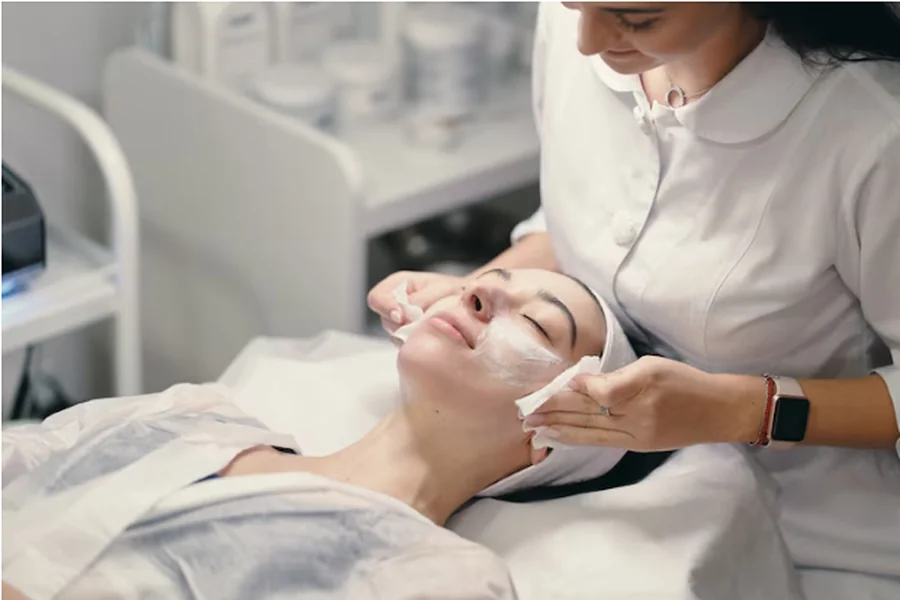
Medical-grade facials performed by trained aestheticians can be useful for clearing blackheads and comedones. These treatments include deep cleansing, exfoliation, and manual extraction of clogged pores. However, they must be performed correctly to avoid skin trauma or infection.
What to Expect from a Dermatologist Visit
During your consultation, the skin specialist will evaluate your acne severity, type, lifestyle habits, and previous treatments. Based on that, they’ll tailor a treatment plan that may include medication, in-clinic treatments, and changes to your skincare routine.
Many dermatology clinics in Singapore, such as the National Skin Centre, TWL Specialist Skin & Laser Centre, and S Aesthetics Clinic, offer comprehensive acne care. These centres follow a science-based approach, avoiding one-size-fits-all solutions.
It’s important to note that results take time. Whether you opt for medication or a combination of treatments, visible improvement often occurs after 4–8 weeks of consistent care.

Everyday Habits That Support Acne Recovery
Treatment alone isn’t always enough—maintaining the right habits at home plays a huge role in achieving and sustaining clear skin.
Use a gentle, ph-balanced cleanser twice daily and avoid over-washing your face. Applying non-comedogenic moisturisers and sunscreen also helps protect and heal the skin. Touching your face less, changing pillowcases frequently, and managing stress levels can further reduce flare-ups.
In terms of diet, some individuals find improvement by reducing dairy or sugar intake, although scientific evidence is still evolving. Staying hydrated, prioritising sleep, and supporting your routine with a hyaluronic acid supplement amazon are universally beneficial for skin health.
When to Consider Scar Treatment
Once your acne is under control, you may be left with pigmentation or scarring. These can be treated separately using microneedling, subcision, chemical peels, or laser resurfacing. Acne scar removal in Singapore is a growing area of skincare and offers promising results, especially when guided by experienced dermatologists.
Final Thoughts
Acne doesn’t need to be a lifelong struggle. With the right knowledge and support from certified professionals in Singapore, effective treatment is within reach. From prescription medications to cutting-edge laser therapy, there’s a solution for every type and severity of acne.
The key is acting early, sticking to the prescribed treatment plan, and choosing a clinic that understands your skin’s unique needs. With a bit of time and the right approach, clearer skin is possible—and closer than you think.