
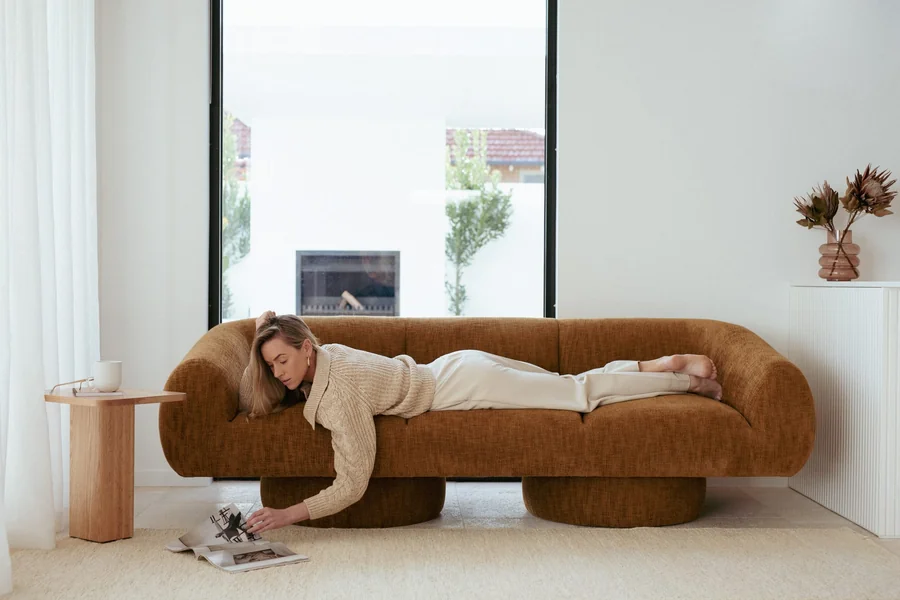
The world of furniture design is vast and varied, yet Australian made furniture stands out for its unique blend of quality, sustainability, and craftsmanship. In recent years, there has been a growing trend towards supporting local businesses and artisans, and the Australian furniture industry is no exception. From contemporary designs to classic styles, Australian furniture makers offer a wide range of options that cater to diverse tastes and preferences.
The Appeal of Local Craftsmanship
The importance of local craftsmanship cannot be understated. When consumers choose Australian made furniture, they are opting for pieces that are often handmade with meticulous attention to detail. This ensures each piece is unique and of high quality. Additionally, local production reduces the carbon footprint associated with importing goods, making it an environmentally conscious choice for those looking to furnish their homes sustainably.
High-Quality Materials
One of the hallmarks of Australian made furniture is the use of high-quality materials. Many Australian manufacturers prefer to use locally sourced timber, which is known for its durability and aesthetic appeal. This choice not only enhances the longevity of the furniture but also supports the local economy by making use of Australia’s abundant natural resources.
The Benefits of Hardwood
Hardwood is particularly popular in Australian furniture for both indoor and outdoor pieces. Its strength and resilience to weather conditions make it ideal for outdoor settings, while its natural beauty adds warmth and sophistication to indoor designs. This makes hardwood a versatile material that is often featured in Australian furniture collections.
Design Innovation
Australian designers are known for their innovative approach to furniture design. They seamlessly integrate modern styles with functional design, creating pieces that are both visually striking and practical. Support for Australian designers means investing in original and groundbreaking designs.
Contemporary Styles
Contemporary styles in Australian furniture often feature minimalist and functional designs. The use of clean lines and neutral colour palettes is prevalent, contributing to a sense of calm and order within a space. This modern aesthetic is perfect for those who appreciate simplicity and elegance in their home decor.
Customisation Options
Another significant advantage of purchasing Australian made furniture is the opportunity for customisation. Many local manufacturers offer custom design services, allowing consumers to tailor furniture pieces to their specific needs and preferences. This means achieving the perfect fit for any space in the home or office.
Sustainability Practices
Sustainability is at the heart of many Australian furniture manufacturers’ practices. By focusing on eco-friendly processes, such as using sustainably sourced materials and incorporating waste reduction techniques, these businesses are able to minimise the environmental impact of their production. This sustainability commitment appeals to consumers who are conscious of their environmental footprint and wish to make more sustainable choices.
Recycling and Upcycling
Recycling and upcycling are also integral to the Australian furniture industry’s sustainability efforts. By repurposing old materials and giving new life to outdated pieces, manufacturers can reduce waste significantly and offer one-of-a-kind items that tell a story.
Supporting the Local Economy
Purchasing Australian made furniture not only benefits the consumer but also supports the local economy. By buying locally, consumers contribute to the growth and sustainability of Australian businesses, helping to create jobs and boost the national economy. This support is essential for the long-term success of the furniture manufacturing industry in Australia.
Encouraging Skills Development
The continuation and growth of the Australian furniture industry also encourage skills development within the country. Craftsmanship and design require specialised skills, and supporting local manufacturers ensures these skills are passed down to future generations, preserving the rich tradition of furniture making in Australia.
Conclusion
In summary, Australian made furniture represents a perfect union of quality, sustainability, and innovative design. Choosing to purchase locally made furniture supports not only local craftsmen and the economy but also promotes more environmentally responsible consumer behaviour. As the desire for high-quality, sustainable home furnishings continues to grow, Australian pieces are proving to be an excellent choice for homeowners seeking both style and substance.