
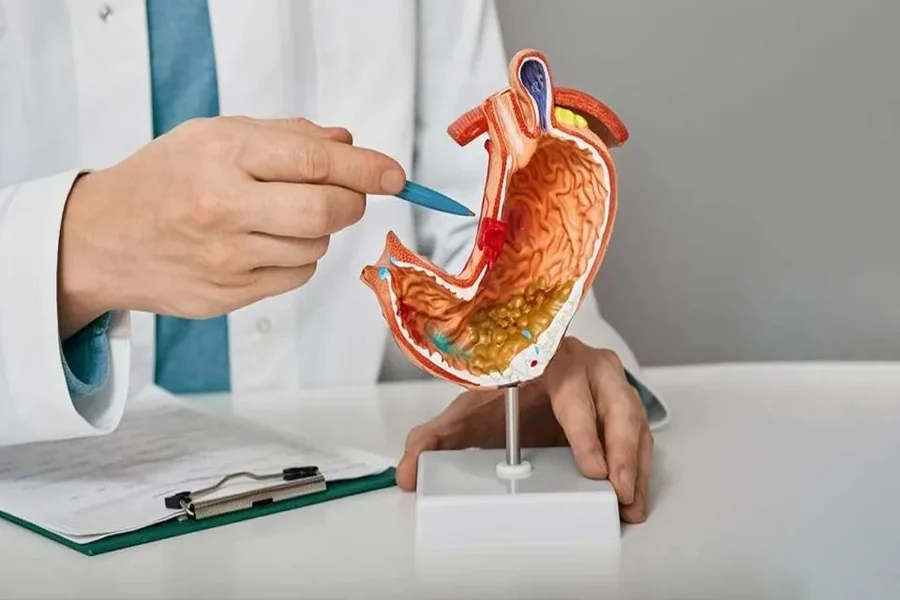
The digestive system plays a crucial role in breaking down food, absorbing nutrients, and maintaining overall health. Despite its importance, digestive disorders are surprisingly common and often go unnoticed until they become more serious. Conditions such as acid reflux, gastritis, or stomach ulcers can quietly develop, sometimes causing discomfort or complications if left untreated. This is where a gastroscopy becomes an invaluable tool.
At a trusted gastroscopy clinic in Singapore, early screening can help identify common digestive disorders before they become serious. By visiting a gastroscopy clinic in Singapore, patients can benefit from expert evaluation and timely intervention, ensuring better digestive health and peace of mind.
What is a Gastroscopy?
A gastroscopy, also known as an upper endoscopy, is a minimally invasive procedure that allows doctors to examine the upper digestive tract, including the esophagus, stomach, and the first part of the small intestine (duodenum). During the procedure, a thin, flexible tube called an endoscope is gently inserted through the mouth and guided down the digestive tract. The endoscope is equipped with a high-definition camera and a light source, allowing the gastroenterologist to obtain a clear, real-time view of the lining of the upper gastrointestinal tract.
In addition to visualization, modern endoscopes often include channels that allow for small instruments to be passed through, enabling tissue samples (biopsies) to be taken for further testing or minor procedures to be performed, such as removing polyps or stopping minor bleeding. Some advanced gastroscopy systems also use technologies like narrow-band imaging or magnification, which help detect subtle changes in the mucosa that may indicate early disease.
At a professional gastroscopy clinic in Singapore, these state-of-the-art tools are handled by experienced specialists, ensuring the procedure is precise, safe, and as comfortable as possible for patients. By combining advanced equipment with skilled expertise, gastroscopy provides a reliable method for diagnosing and managing a wide range of digestive disorders.
Common Digestive Disorders Detected
Gastroscopy is highly effective for identifying a variety of digestive disorders that may not be apparent through symptoms alone. Some of the most commonly detected conditions include:
- Acid reflux and Gastroesophageal Reflux Disease (GERD): Chronic exposure of the esophagus to stomach acid can lead to inflammation, discomfort, and complications if untreated. Gastroscopy allows direct assessment of the esophageal lining.
- Gastritis: Inflammation of the stomach lining, often caused by infections, medications, or lifestyle factors, can be visualized and evaluated for severity.
- Peptic ulcers: Open sores in the stomach or duodenum can be detected early, enabling timely treatment to prevent bleeding or perforation.
- Helicobacter pylori infection: Gastroscopy allows biopsies to confirm the presence of this bacteria, which is a major contributor to ulcers and chronic gastritis.
- Barrett’s esophagus: A condition where the esophagus lining changes due to prolonged acid exposure, which can increase the risk of esophageal cancer.
- Polyps or abnormal growths: Small growths in the stomach or duodenum can be identified and, if necessary, sampled or removed during the procedure.
By providing a clear view of the upper digestive tract, gastroscopy helps doctors accurately diagnose these conditions and determine the most appropriate treatment plan for each patient.
Symptoms That Indicate You May Need Screening
Certain symptoms may indicate the need for a gastroscopy, even if they seem mild at first. Key warning signs include:
- Persistent heartburn or acid reflux occurring several times a week
- Frequent stomach pain, bloating, or discomfort after meals
- Nausea or vomiting that does not resolve
- Difficulty swallowing or feeling food stuck in the throat
- Unexplained weight loss or loss of appetite
- Signs of gastrointestinal bleeding, such as black stools or vomiting blood
While occasional digestive discomfort is common, recurring or worsening symptoms should not be ignored. Gastroscopy allows specialists to identify the root cause, helping to diagnose and manage these conditions effectively before complications develop.
Preparing for Your Gastroscopy
Proper preparation helps ensure a smooth and accurate gastroscopy. Patients are usually asked to fast for several hours before the procedure, avoiding food and drinks to keep the stomach clear. Certain medications, especially blood thinners or diabetes treatments, may need adjustment, and your doctor will provide specific instructions.
On the day of the procedure, it’s helpful to wear comfortable clothing and arrange for someone to accompany you if sedation is planned. Bringing a list of current medications and any medical history ensures the clinic team can provide safe, personalized care.
What to Expect During and After the Procedure
During a gastroscopy, a thin, flexible endoscope is gently guided through the mouth into the upper digestive tract. Sedation or local anesthesia helps ensure comfort, and the procedure typically takes 10–20 minutes. Patients may feel slight pressure or a mild gagging sensation, but it is generally well-tolerated.
Afterward, there is a short recovery period while the sedation wears off. Most people can resume normal activities within a few hours, though advice on diet and medications may be provided.
Benefits of Visiting a Gastroscopy Clinic in Singapore
Visiting a specialized gastroscopy clinic offers several advantages for patients seeking accurate diagnosis and effective management of digestive disorders. Key benefits include:
- Expertise of trained specialists: Experienced gastroenterologists ensure precise evaluation and interpretation of results.
- State-of-the-art equipment: Modern endoscopes and imaging technologies provide clear visualization of the digestive tract.
- Accurate diagnosis: Early detection of conditions such as ulcers, gastritis, or acid reflux helps guide timely treatment.
- Minimally invasive procedures: Gastroscopy is safe, with minimal discomfort and short recovery time.
- Personalized care: Clinics can offer tailored advice on medications, lifestyle adjustments, and follow-up plans.
These advantages help patients achieve better digestive health and reduce the risk of complications.
Summary
Regular screening and timely evaluation play a vital role in maintaining digestive health and preventing complications from common disorders. Gastroscopy offers a safe and effective way to identify issues early and guide appropriate treatment. If you are experiencing digestive symptoms or wish to schedule a routine check-up, visit: