
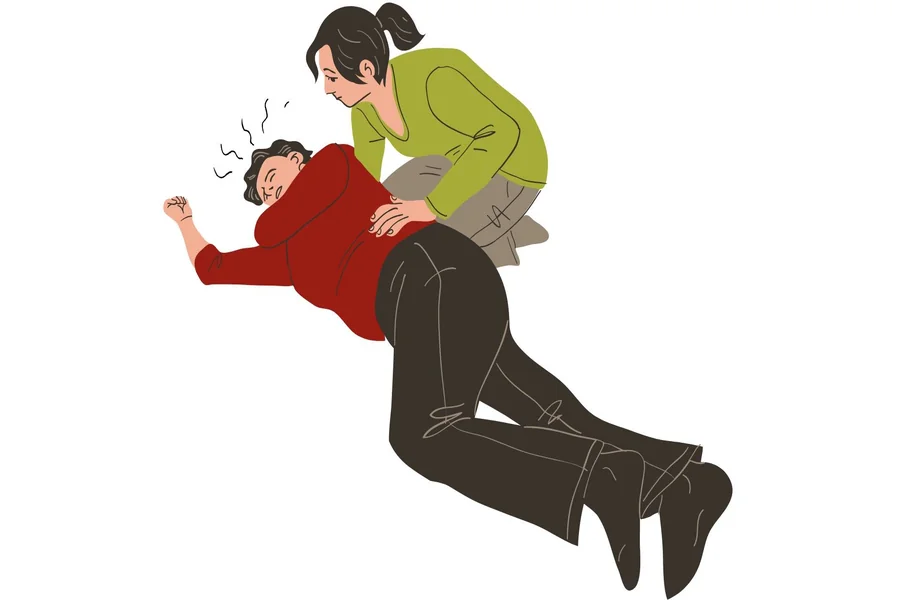
Seizure illnesses, such as epilepsy, significantly affect hundreds of millions of adults across the globe. Although neurology emphasises medication and medical treatments, the quality of sleep and stress are the foremost but overlooked determinants of seizure occurrence. Recognising the impact of sleep and stress on brain function provides essential insights into seizure regulation and enhancing the quality of life.
The Interaction Between Sleep and Seizures
Sleep is a multifaceted state of neurophysiology that underlies the state of brain health, especially in seizure-prone individuals. Decades of research have established an absolute relationship between deprivation of sleep and heightened susceptibility to seizures. Lack of proper sleep or quality sleep will reduce the seizure threshold and cause breakthrough seizures in adults. This is not just seen in clinical cases. Still, even in reporting patients, a significant percentage of patients with epilepsy recognise sleep deprivation as one of the most common precipitants of their seizures. For many, medications such as levipil 500 can help manage seizure frequency, but maintaining consistent and restorative sleep remains equally critical.
Mechanisms Connecting Sleep Deprivation to Seizures
The individual physiology responsible for this interaction is complex. Sleep deprivation disrupts the equilibrium of neurotransmitters and raises cortical excitability, leading to a greater chance that neurons will fire aberrant, synchronised discharges, a feature of epileptic seizures.
Clinical EEG examination reveals that sleep-deprived patients have more interictal spiking (interseizure abnormal electric activity) and more epileptiform discharges than well-rested patients.
GABAergic inhibition, an essential brain process that usually represses seizures, is impaired in epilepsy and sleep deprivation.
Sleep deprivation is sometimes even used in the clinic as a method to induce abnormal brain activity for diagnostic EEG recordings of epilepsy. In real life, though, repeated sleep deprivation raises the risk of spontaneous seizures in most adults with epilepsy.
Sleep Patterns and Seizure Frequency
It is not only the quantity of sleeping time that matters; interruptions such as insomnia, nighttime arousals, or poor sleep quality also increase seizure risk. Although minor sleep day-to-day variability is often of limited clinical significance, chronic sleep loss, irregular schedules, or sleep disorders significantly affect seizure control. Daytime sleepiness and napping are prevalent in adults with epilepsy and could perhaps be manifestations of sleep disturbances themselves, influencing seizure frequency.
The Place of Stress in the Onset of Seizures
Another major determinant of seizure occurrence is stress. Adults with epilepsy often cite emotional distress, worry, and even persistent mental tension as precipitating factors for their seizures. Stress is an equaliser that everyone shares, and yet persons with seizure disorders are particularly vulnerable to its impact:
Stress can reduce the threshold of the brain to seizures, and as such, even well-controlled epilepsy is more likely to get out of hand.
Individuals usually have seizures when they experience considerable anxiety, stress at work, domestic turmoil, or significant life transitions.
Biological Mechanisms of Stress-Induced Seizures
At the neurobiological level, stress affects seizure occurrence through multiple mechanisms:
Stress makes excitatory neurotransmitters larger, promotes abnormal neurogenesis, and supports a pro-inflammatory brain environment, all of which increase seizure generation and recurrence.
Stress can impair inhibition in the brain, tipping the scales toward more excitability and facilitation of seizure initiation.
Also noteworthy is the interdependence of sleep deprivation and stress, with their impact having some overlap. Stress will interfere with sleep, and sleep deprivation will cause stress, so there is a feedback mechanism that enhances seizure risk.
Day-to-Day Influence and Seizure Control
In most adults, disturbances of sleep and stress are not a singular event. They also work together with drug compliance, habits, and other seizure precipitants like skipped meals or alcohol use. The best management of these must be in an integrated manner.
Medication and Lifestyle Interventions
Medications like levetranol syrup are the cornerstone of seizure management, but only reach their full effect if complemented by stress-busting and sleep habit behaviours. Physicians find that sleep habits and stress reduction also stabilise patients who are not on medications. Efficient steps include:
- Sleep habit: Normal sleep habits involve going to bed and waking up at the same time each day, with a focus on both sleep quality and quantity.
- Stress control: Practice stress-reduction methods like mindfulness, yoga, counselling, or relaxation techniques.
- Reduce stimulant use: Limit alcohol, caffeine, and TV/computer time before going to bed in order to get better, restorative sleep.
- Help a seizure diary: Record sleep, levels of stress, and number of seizures to look for patterns and triggers.
Clinical Observations and Evidence
Clinical trials validate that while slight sleep loss will not necessarily cause seizures in all adults, increased sleep loss or chronic stress, independently and together, can lead to more seizures. In the majority of instances, the seizure patients also share a concomitant sleep disorder or abnormal sleep architecture, which must be addressed in addition to their care.
The Importance of Integrated Care
Decreasing the frequency of seizures requires a focus on both brain health and lifestyle. Adults can be encouraged to:
- Assess sleep habits periodically and seek evaluation of sleep disorders if nights are often disturbed or unrefreshing.
- Assess and treat underlying causes of tension or anxiety early, before they become long-standing problems.
- Be honest with medical professionals about any changes in seizure frequency that may be related to life changes or sleep disturbances.
To others, stress or lost sleep can interact with other precipitants, like non-adherence or forgetfulness of medication, to further enhance the risk of seizure. What this implies is that support for medication adherence is a must.
Conclusion
Sleep and stress are powerful, interacting triggers that underlie adult seizure frequency. Both chronic sleep deprivation and inadequately managed stress reduce the brain’s seizure resistance. In adult epilepsy, maximising medical and lifestyle interventions occurs by prioritising sleeping hygiene, stress management, and collaboration with the health care team.
Medication is a foundation for control, but optimal seizure management involves looking at the individual as an entire entity, understanding that daily routines and pressures can push the balance between stability and breakthrough activity to its limits. Seizure and stress control are not only beneficial for the individual, but they also enhance quality of life.
Disclaimer: This article is meant for information purposes only and should not be used as a substitute for professional medical consulting. Consult your healthcare professional for advice about sleep, stress, and seizure management.