
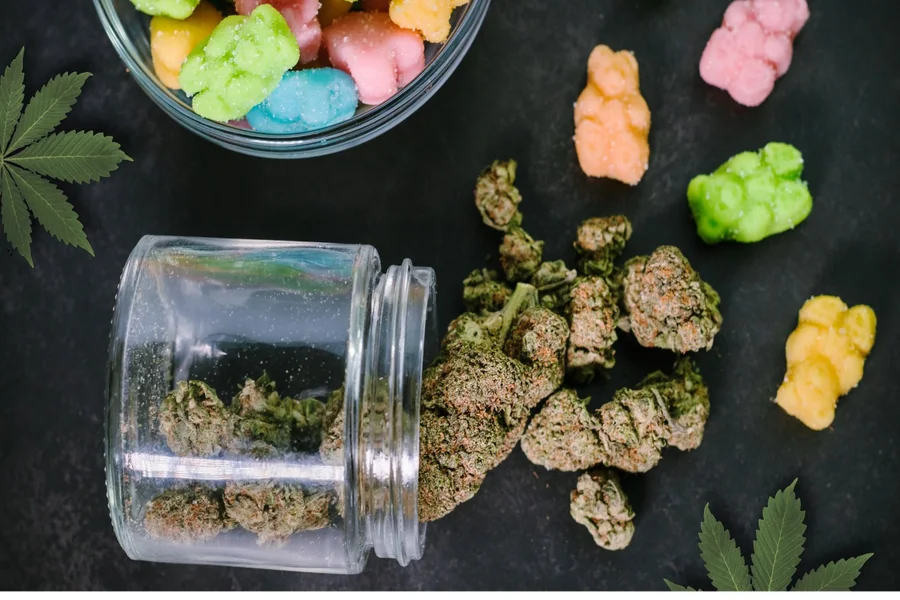
CBD gummies have become one of the most popular ways to consume CBD (cannabidiol), thanks to their convenience, pleasant taste, and discreet nature. But how exactly are these gummies made? Understanding the process of creating CBD gummies can help consumers make informed decisions about the products they use. In this article, we will take a closer look at how CBD gummies are made, starting from hemp cultivation all the way to the final product you find on the store shelf.
Step 1: Cultivation of Hemp
The journey of CBD gummies begins with the hemp plant. Hemp, a variety of the cannabis plant, is specifically cultivated for its low THC (tetrahydrocannabinol) content and high CBD content. THC is the psychoactive compound that produces a “high,” while CBD is non-psychoactive and is known for its potential therapeutic benefits.
Farmers grow hemp in controlled environments where the plants are given plenty of sunlight, water, and nutrients. The hemp plants need to meet certain legal requirements in terms of THC levels, which are usually less than 0.3%. This ensures that the end product is not psychoactive and complies with legal regulations.
Step 2: Harvesting and Extraction of CBD
Once the hemp has reached maturity, it is harvested. The plants are cut down and the usable parts — such as the flowers and leaves — are separated. These parts contain the highest concentrations of CBD, which is extracted using different methods.
One of the most common extraction methods is CO2 extraction. In this process, carbon dioxide is used under high pressure and low temperatures to pull the CBD and other beneficial compounds from the plant material. This method ensures that the CBD extracted is pure, potent, and free from unwanted residues like solvents or pesticides.
After extraction, the CBD is refined to create a concentrated form of cannabidiol known as CBD oil. This oil will serve as the key ingredient in the production of cbd gummies.
Step 3: Formulating the Gummy Mixture
Next, the CBD oil is mixed with other ingredients to create the gummy formula. The exact recipe can vary depending on the manufacturer, but typically, the following ingredients are used:
- CBD Oil: The primary ingredient that provides the therapeutic effects of the gummies.
- Gelatin or Pectin: These are used to create the chewy texture of the gummies. While gelatin is derived from animal sources, pectin is plant-based and is used in vegan-friendly gummies.
- Sweeteners: Most CBD gummies are sweetened to improve their taste. Common sweeteners include cane sugar, corn syrup, or natural sweeteners like stevia.
- Flavors: To make the gummies more appealing, manufacturers often add natural fruit flavors, such as orange, strawberry, or lemon.
- Coloring: Some brands add natural food coloring to give the gummies a vibrant appearance, but this is optional.
The ingredients are combined in a large mixing tank where they are heated and blended to form a smooth, uniform mixture.
Step 4: Pouring the Gummy Mixture into Molds
Once the gummy mixture is prepared, it is poured into molds to shape the gummies. These molds are typically silicone trays that come in various shapes, such as bears, worms, or even fruit shapes. The mixture is carefully poured into each mold cavity, ensuring the gummies are uniform in size and shape.
At this point, the CBD concentration is carefully controlled to ensure that each gummy contains a consistent dose of CBD. This is an important step, as it ensures that each gummy provides the same amount of CBD for precise dosing.
Step 5: Setting and Cooling the Gummies
After the molds are filled, the gummy mixture needs to set. The gummies are cooled for several hours in a refrigerated environment to allow them to solidify. This cooling process ensures that the gummies maintain their shape and texture.
Some manufacturers may also coat the gummies with a light layer of sugar or a sour coating at this stage, depending on the flavor profile they are aiming for. This adds an extra touch of flavor and makes the gummies more visually appealing.
As the popularity of CBD gummies continues to rise, understanding the nuances of their production becomes increasingly important. From the careful cultivation of hemp to the precise extraction of CBD, each step is crucial in ensuring a high-quality product. For those interested in exploring the broader spectrum of cannabis products, visiting a marijuana card clinic near N Sam Houston Parkway can provide valuable insights and access to a range of options tailored to individual needs. This holistic approach not only enhances consumer knowledge but also empowers individuals to make informed decisions about their wellness journey.
Step 6: Packaging and Labeling
Once the gummies have set and are ready for consumption, they are removed from the molds and undergo a quality control process. This ensures that the gummies are free from any defects or contamination. After passing quality control, the gummies are packaged in airtight containers to preserve their freshness and potency.
The packaging process typically involves placing the gummies in bottles, bags, or jars, with labels that indicate the CBD content per gummy, ingredients, and other relevant information such as serving size, batch number, and expiration date.
Step 7: Testing for Quality and Potency
Before being sold to consumers, high-quality CBD gummies undergo rigorous testing. This testing is essential to ensure the safety, potency, and purity of the product. Third-party labs are often used to test the CBD gummies for the following:
- CBD Potency: To confirm the exact amount of CBD in each gummy.
- THC Levels: To ensure the THC content is below the legal limit (0.3%).
- Contaminants: To check for any harmful chemicals or substances, such as pesticides, solvents, or heavy metals.
- Microbial Safety: To ensure the gummies are free from bacteria, mold, or yeast.
Once the gummies pass these tests, they are cleared for distribution.
Step 8: Distribution and Consumption
After testing, the CBD gummies are shipped to retailers or directly to consumers. They can be purchased in various places, such as health food stores, dispensaries, and online marketplaces. When consumed, CBD gummies provide a convenient and enjoyable way for users to experience the potential benefits of CBD.
Conclusion
The process of making CBD gummies is a meticulous one that involves several steps, from cultivating the hemp to creating the final gummy product. With advancements in extraction technology and manufacturing practices, consumers can be confident that high-quality CBD gummies offer a reliable and consistent experience. Whether for relaxation, stress relief, or other potential health benefits, CBD gummies provide an easy and tasty way to incorporate CBD into your daily routine.