
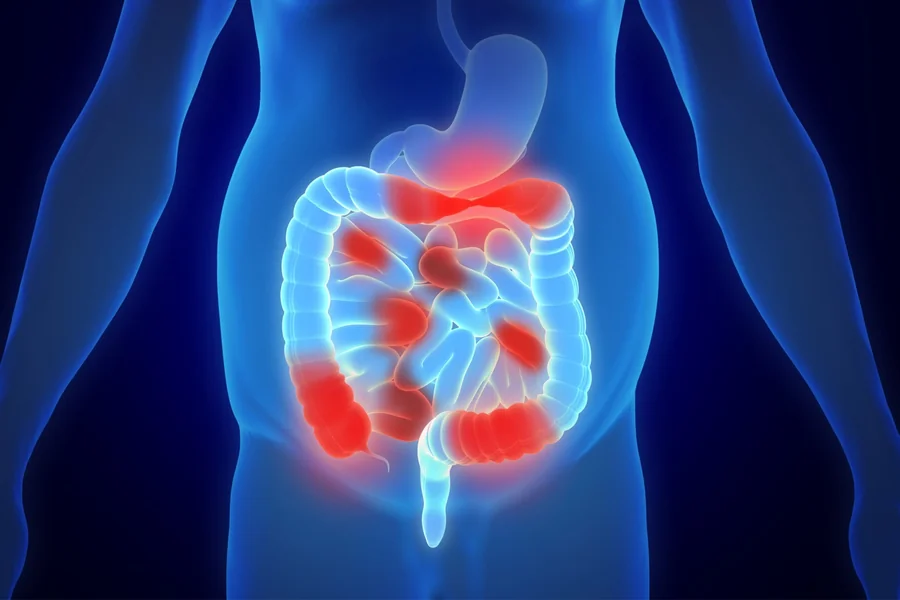
Inflammatory Bowel Disease (IBD) is a chronic condition that includes Crohn’s disease and ulcerative colitis, both of which cause persistent inflammation in the digestive tract. Patients with IBD often experience symptoms such as abdominal pain, diarrhea, fatigue, and in severe cases, complications like intestinal blockages or malnutrition. These symptoms can significantly affect daily life, making early diagnosis and management essential.
For patients in Singapore seeking clarity and specialized care, a colonoscopy clinic in Singapore provides a thorough examination of the colon, helping detect inflammation and guide effective treatment. A timely colonoscopy Singapore can make all the difference in preventing complications and improving long-term outcomes for those living with IBD.
Why IBD Is Often Misdiagnosed
Inflammatory Bowel Disease (IBD), including Crohn’s disease and ulcerative colitis, is often misdiagnosed because its symptoms, such as abdominal pain, diarrhea, bloating, constipation, or fatigue, can resemble IBS or mild infections. These symptoms may come and go, so they are sometimes attributed to stress, diet, or minor digestive issues. Misdiagnosis can delay treatment, allowing inflammation to worsen and increasing the risk of complications like strictures, ulcers, bleeding, or nutrient deficiencies.
Crohn’s Disease
Crohn’s disease can affect any part of the digestive tract and often appears as patchy inflammation, deep ulcers, or strictures. Colonoscopy helps detect these changes early, guiding treatment and preventing complications.
Ulcerative Colitis
Ulcerative colitis usually affects only the colon and rectum, causing continuous inflammation and superficial ulcers. Colonoscopy identifies these patterns, helping doctors plan treatment and monitor disease progression.
A colonoscopy Singapore is essential to confirm the diagnosis, rule out other conditions, and start the right treatment promptly.
A Closer Look at Colonoscopy
Colonoscopy is a procedure that allows doctors to examine the inside of the colon and rectum in detail, which is crucial for diagnosing IBD. During the procedure:
- A flexible tube with a camera (colonoscope) is gently inserted through the rectum.
- The lining of the colon is visually inspected for inflammation, ulcers, bleeding, or abnormal tissue.
- Tissue samples (biopsies) can be taken for laboratory analysis to confirm Crohn’s disease or ulcerative colitis.
- Polyps or minor abnormalities can sometimes be treated immediately.
Colonoscopy procedure provides a direct and accurate view that other approaches cannot replicate.
Role of Colonoscopy in Diagnosing IBD
Colonoscopy plays a central role in the diagnosis of Inflammatory Bowel Disease by allowing doctors to directly observe the condition of the colon and rectum. In patients with suspected Crohn’s disease or ulcerative colitis, the procedure can reveal characteristic signs such as continuous inflammation, ulceration, or patchy lesions. Unlike blood tests or imaging alone, colonoscopy provides a detailed view of the mucosal lining, making it possible to detect subtle changes that indicate early or active disease.
During colonoscopy, tissue samples can be collected for biopsy, which is essential for confirming the diagnosis and differentiating between Crohn’s disease and ulcerative colitis. This distinction is critical because each type of IBD has unique treatment protocols and long-term management strategies.
Preparations Before Colonoscopy
Proper preparation is essential to ensure a clear view of the colon and accurate results. Key steps include:
- Diet changes: Eat light meals and avoid high-fiber foods 1–2 days before.
- Bowel cleansing: Take prescribed laxatives to empty the intestines.
- Fasting: Avoid food and drinks as instructed before the procedure.
- Sedation arrangements: Arrange transport since sedation affects alertness.
Following these steps helps make the procedure smoother, safer, and more effective, ensuring doctors can accurately evaluate the colon for signs of Crohn’s disease or ulcerative colitis.
During and After Colonoscopy
A colonoscopy is a safe and essential procedure for diagnosing and monitoring IBD. Understanding what happens during and after the procedure can help patients feel more comfortable and prepared.
During the Procedure
Patients are usually given sedation to remain relaxed and comfortable. A flexible colonoscope is gently inserted through the rectum to examine the entire colon. The doctor can:
- Identify inflammation, ulcers, or abnormal tissue.
- Take tissue samples (biopsies) to confirm Crohn’s disease or ulcerative colitis.
- Remove polyps or perform minor interventions if necessary.
After the Procedure
Recovery is generally quick, but patients may experience mild bloating, cramping, or gas. Key post-procedure tips include:
- Hydrate well to flush remaining bowel prep residue.
- Resume diet gradually, starting with light meals.
- Report severe pain, bleeding, or fever to your doctor.
- Avoid driving until sedation wears off.
Monitoring and Follow-Up for IBD Patients
For patients with Crohn’s disease or ulcerative colitis, colonoscopy is not just a one-time diagnostic tool. It is essential for ongoing monitoring. Regular follow-up colonoscopies allow doctors to track disease activity, assess healing of the intestinal lining, and detect early signs of complications or flares.
Monitoring also helps evaluate how well medications are controlling inflammation, enabling adjustments to treatment plans when necessary. This proactive approach improves long-term outcomes, reduces the risk of hospitalization, and ensures timely intervention if the disease worsens.
Conclusion
Colonoscopy in Singapore is a vital tool for diagnosing, monitoring, and managing Crohn’s disease and ulcerative colitis. It allows doctors to accurately assess the intestinal lining, detect complications early, and guide personalized treatment plans, helping patients maintain a better quality of life.