
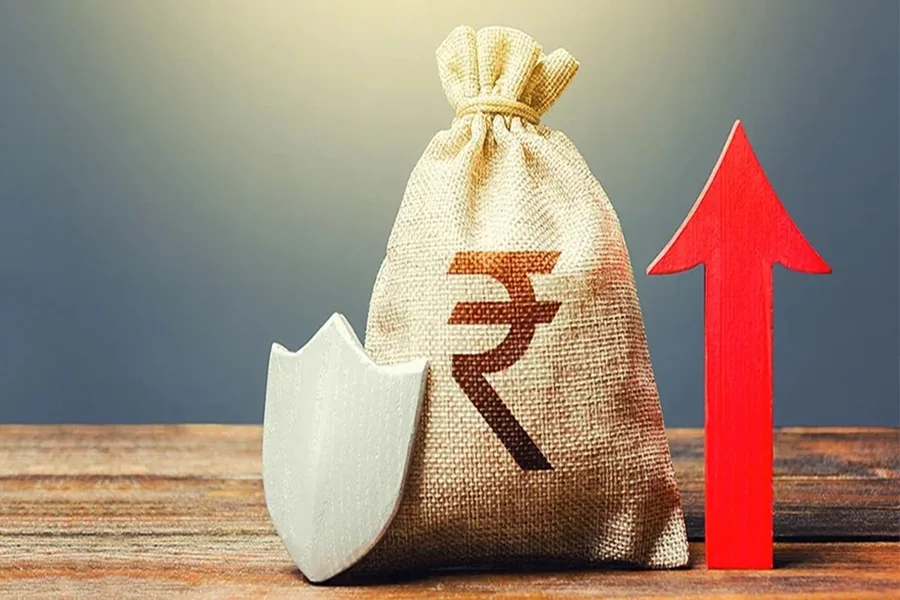
For many of us receiving a fixed, predictable income every month without taking on the vagaries of the stock market is incredibly attractive. Fixed deposits (FDs) with monthly interest payout, give you stability, security and a stream of cash at regular intervals that you can plan around.
If you are retired and managing household expenses or are considering investing in a low-risk option to supplement your income, then a monthly interest FD could be something that you should consider. Here’s your step-by-step guide to help you.
What Are Monthly Interest Fixed Deposits?
When you invest in a regular FD, you can opt to receive interest income either at the time of maturity or get it added back to your deposit as compounding. But in case of non-cumulative FDs, the interest is paid out to you regularly—monthly, quarterly or annually, depending on your preference. Let us discuss the monthly fixed deposit interest payout.
The principal stays locked for the term you select, but interest is deposited into your account every month on a certain date. After you set it up, you don’t have to do anything!
How To Set Up a Fixed Deposit for Monthly Income?
Here is how to set up an FD for receiving monthly income:
Step 1: Choose the Right Fixed Deposit
Not all FDs offer the monthly payout option, so the first step is to pick a bank or financial institution that does. Several banks offer FDs that pay interest monthly. They also allow you to open your FD online, which makes things even more convenient.
Look at the current FD interest rates, compare them across institutions, and check the fine print—especially on premature withdrawal conditions.
Step 2: Decide How Much to Invest
How much income you’ll receive each month depends directly on how much you invest and the FD interest rates. For example, a ₹5 lakh deposit at an interest rate of 7% per annum would generate around ₹2,916 per month in interest.
Here’s the quick formula for monthly interest:
Monthly interest = (Principal × Annual Interest Rate) / 12
Step 3: Opt for a Monthly Payout While Booking the FD
When booking the FD, make sure to select the monthly interest payout option—this is usually available under “payout frequency” settings. In a cumulative FD, the bank will reinvest the interest and pay it all at maturity. That’s not what you want if regular income is the goal.
Also, check whether the bank deposits the interest into your savings account automatically or if you need to give additional instructions.
Step 4: Understand the Tax Angle
Interest earned on fixed deposits is taxable. It gets added to your total income and taxed as per your income tax slab. If your FD income pushes you into a higher bracket, your actual returns could take a bit of a hit.
Some people manage this by splitting their FD investments across family members with lower taxable income, or by choosing 5-year tax-saving FDs (though those typically don’t offer monthly payouts). Either way, be aware that your take-home interest might be slightly less than advertised.
Step 5: Track Your Returns
After the FD is set up, keep an eye on your monthly credits. Make sure the payouts are timely and the interest matches the promised rate. Most banks send SMS alerts or emails once your interest is credited.
Even though FDs are a “set-it-and-forget-it” investment, a quick check every month or so ensures nothing slips through the cracks.
Why Does This Approach Work?
There’s a reason so many people, especially retirees, lean toward monthly interest FDs. They’re simple, safe, and require minimal monitoring. Once it’s active, you can treat it like a salary or pension. Your bills are covered, your spending is predictable, and you’re not stressing over market swings.
Even if you’re not retired, this can serve as a second income stream, whether it’s for paying school fees, EMIs, or even just pocket money. Make sure to check the FD interest rates before investing.
Final Words
While monthly interest FD is a reliable choice, remember that they won’t offer compounding returns like cumulative deposits do. This strategy is more about income stability, not wealth growth. So, if your goal is to grow your money over the years, use a combination of both types of fixed deposits, with monthly interest for regular cash flow, and a cumulative one to save for the long term.