
The construction industry is one of the most hazardous occupations and requires stringent safety measures to prevent accidents. Implementing safety signs is an integral part of ensuring a safe working environment. These signs communicate vital information to workers and visitors alike, helping to mitigate risks and maintain compliance with safety regulations.
The Role of Safety Signs
Safety signs play a crucial role in civil construction by alerting workers to potential hazards and guiding them to safety procedures. They serve as visual cues, reminding workers of the necessary precautions they need to take. These signs can indicate the presence of dangerous equipment, identify safe pathways, or provide instructions for emergency situations.
Types of Safety Signs
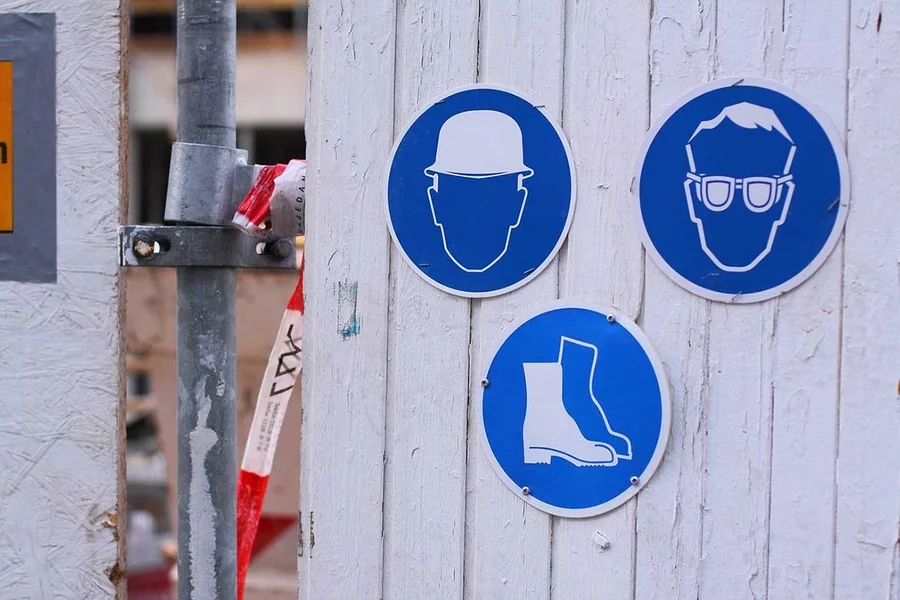
There are various types of safety signs used in construction. Each type serves a specific purpose and is crucial for ensuring safety on-site. Warning signs, for example, indicate potential hazards or unsafe practices. Mandatory signs specify certain actions that must be taken, such as wearing protective gear. Prohibition signs prevent specific actions, and fire safety signs show the location of firefighting equipment.
Compliance with Safety Regulations
Adhering to local and national safety regulations is paramount in the construction industry. Safety signs are essential components of compliance. They ensure that the necessary precautions are communicated in a clear and understandable manner. Failure to use proper signage can lead to legal implications and put workers’ safety at risk.
Design and Placement of Safety Signs
The effectiveness of safety signs largely depends on their design and placement. To be effective, signs must be visible, legible, and easily understood. The design should include clear text and symbols, with high-contrast colours to catch attention. Placement is equally important; signs must be positioned where they are most likely to be seen and where they can provide the necessary information before entering a hazardous zone.
Innovations in Safety Signage
Technological advancements have led to innovations in safety signage. Digital signs and luminescent materials enhance visibility in low-light conditions, while interactive signs can provide more detailed, situation-specific information. Such innovations can significantly improve the communication of safety protocols on construction sites.
Training and Awareness
While safety signs are crucial, training workers to understand and act upon these signs is equally important. Regular safety training ensures that workers comprehend the significance of each sign and know the appropriate actions to take. Awareness programs can also reinforce the importance of adhering to safety guidelines as conveyed through these signs.
Benefits of Safety Signs in Construction
Proper use of safety signs can lead to a reduction in workplace accidents, thereby safeguarding human life and reducing potential liabilities for companies. By effectively communicating risks and required actions, safety signs contribute to a more efficient and safe working environment.
Cost Implications
Investing in proper safety signage is cost-effective in the long run. The initial expenditure for the production and installation of these signs is outweighed by the reduction in accidents and associated costs. Additionally, maintaining compliance with safety regulations can avoid fines and compensatory expenses resulting from workplace incidents.
Conclusion
Safety signs are indispensable in the civil construction sector. They not only promote safety but also ensure compliance with legal standards. Implementing a robust signage system, combined with comprehensive training, can greatly enhance the safety and productivity of construction sites. For those looking to adhere to the best practices in safety sign implementation, visiting specialists such as safety signs experts is advisable.