
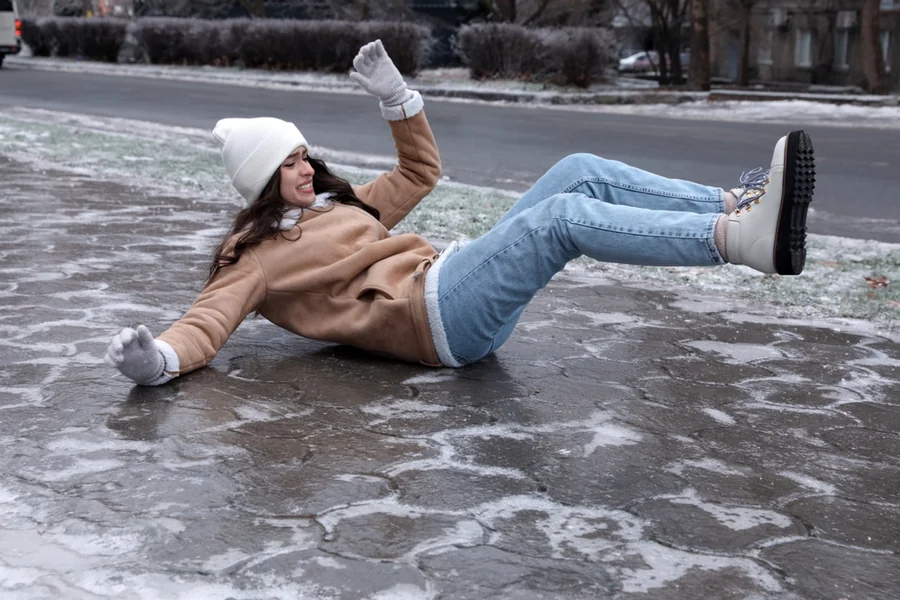
Winter in Denver brings beautiful snowfall, but it also creates hazardous conditions on sidewalks, parking lots, apartment complexes, and business entrances. Ice and snow accumulation on private property is one of the leading causes of slip-and-fall injuries during colder months. When property owners fail to take reasonable steps to address these dangers, injured individuals may have the right to pursue a legal claim.
Understanding how injury claims from ice and snow accidents work in Denver can help victims determine whether they are entitled to compensation.
Common Winter Hazards on Private Property
Snowstorms and freezing temperatures often leave behind slick surfaces that are difficult to see and even harder to avoid. Icy walkways, untreated stairs, sloped driveways, and poorly lit parking areas can quickly become dangerous. Refreezing is also a major concern in Denver, where daytime melting followed by overnight freezing creates layers of black ice.
These hazards are particularly risky for elderly individuals, delivery workers, tenants, and customers who regularly access private properties during winter months.
Typical Injuries from Slip-and-Fall Accidents
Falls caused by ice and snow can lead to serious injuries, especially when a person lands on concrete or hard-packed ice. Common injuries include fractured wrists, ankles, and hips, torn ligaments, spinal injuries, and traumatic brain injuries. Even seemingly minor falls can result in chronic pain or long-term mobility issues.
Medical treatment for these injuries can be extensive, often involving surgery, physical therapy, and time away from work. These consequences play a significant role in determining the value of an injury claim.
Property Owner Responsibilities in Denver
Under Colorado premises liability laws, property owners and occupiers have a duty to maintain reasonably safe conditions for visitors. This includes taking timely action to remove snow and ice or to warn of dangerous conditions. While property owners are not expected to eliminate every trace of snow immediately during an active storm, they must act within a reasonable timeframe once conditions allow.
Failure to shovel walkways, apply ice melt, or repair drainage issues that contribute to ice buildup may be considered negligence. Whether a property owner met their legal duty depends on factors such as timing, weather conditions, and the property’s intended use.
Proving Liability in Ice and Snow Claims
To succeed in an injury claim, the injured person must show that the property owner knew or should have known about the dangerous condition and failed to address it. Evidence such as photos of the icy area, weather reports, maintenance logs, witness statements, and surveillance footage can be crucial.
Insurance companies often argue that the danger was “open and obvious” or that the injured person should have been more careful. A strong claim focuses on showing that the hazard was unreasonable and preventable under the circumstances.
Compensation Available to Injured Victims
Victims of ice and snow accidents may be entitled to compensation for medical bills, lost wages, future treatment costs, pain and suffering, and reduced quality of life. In cases involving permanent injuries or long-term disability, compensation may also reflect ongoing care needs and lost earning potential.
Accurately calculating these damages requires careful documentation and, in some cases, expert opinions to support future medical or financial losses.
The Importance of Legal Guidance
Premises liability claims involving winter conditions can be challenging. Property owners and insurers often dispute responsibility, especially when weather is involved. A qualified personal injury lawyer in denver can assess whether the property owner failed to meet their legal obligations, gather evidence, and negotiate with insurance companies on the injured person’s behalf.
Legal guidance is particularly important when injuries are serious or when property owners attempt to shift blame to the victim.
Final Thoughts
Ice and snow accidents on private property are more than just seasonal inconveniences—they can result in lasting injuries and financial strain. When property owners neglect their responsibility to maintain safe conditions, injured individuals have the right to seek compensation. Taking prompt action and understanding your legal options can make a significant difference in protecting your health and financial future.