
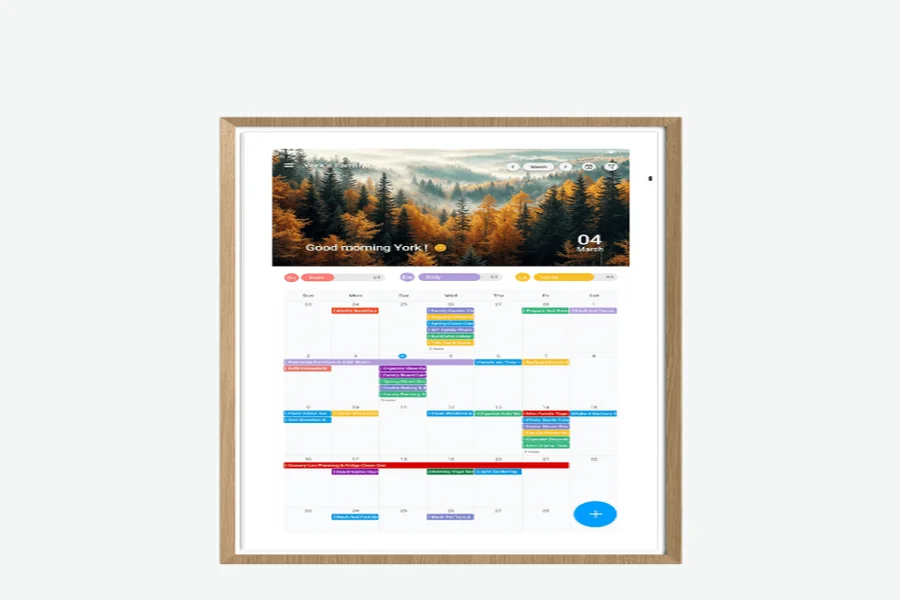
Managing household tasks can feel like an endless juggling act, especially for families with children and busy schedules. Between work commitments, school activities, and daily responsibilities, keeping track of who needs to do what often becomes overwhelming. Many parents find themselves constantly reminding family members about their chores, leading to frustration and incomplete tasks.
The digital calendar and chore charts have emerged as essential tools for organizing family activities and responsibilities in today’s connected world. These interactive systems transform the traditional approach to household management by providing real-time updates, automatic reminders, and engaging visual feedback. Unlike static paper charts that easily get lost or forgotten, digital solutions keep everyone accountable and informed.
They create a centralized hub where family members can see their assignments, track their progress, and celebrate their accomplishments. By embracing these modern tools, families can reduce conflicts, build better habits, and create a more harmonious home environment where everyone contributes to maintaining the household.
Understanding the Need for an Interactive Chore Chart
Modern families struggle with coordinating multiple schedules while ensuring household responsibilities don’t fall through the cracks. Parents often find themselves repeating the same instructions daily, creating tension and teaching children to tune out reminders rather than develop self-discipline.
The mental load of remembering every task, deadline, and responsibility becomes exhausting, particularly when both parents work or manage single-parent households.
Interactive chore charts address these pain points by shifting responsibility from constant parental oversight to a visual system that children can reference independently. When kids can see their tasks displayed clearly with checkboxes, progress bars, or completion badges, they develop ownership over their contributions to the household. This visual approach works especially well for younger children who respond better to pictures and colors than verbal instructions.
The interactive element transforms chores from nagging sessions into achievable goals, helping children build time management skills and accountability. By creating transparency around expectations and progress, these charts reduce arguments about whether tasks were completed and establish clear standards that everyone understands.
Benefits of Using Digital Chore Charts
Digital chore charts bring unprecedented flexibility to household management by allowing parents to adjust assignments instantly as circumstances change. When a child has soccer practice or a parent needs to shift responsibilities due to a work deadline, updates happen in seconds across all connected devices. Family members receive automatic notifications about new tasks or schedule changes, eliminating the communication gaps that often derail household routines.

The customization capabilities of digital systems let families tailor charts to their unique needs and values. Parents can assign age-appropriate tasks, set different difficulty levels, create rotating schedules, and adjust point values based on effort required. Many platforms allow families to incorporate their own reward systems, whether that’s screen time, allowance tracking, or privileges. The ability to access these charts from smartphones, tablets, or computers means children can check their responsibilities from anywhere, and parents can monitor completion without being physically present.
This accessibility proves invaluable for co-parenting situations where children split time between households, ensuring consistency regardless of location. The data tracking features also provide insights into completion patterns, helping families identify which tasks consistently get overlooked and need restructuring.
How Interactive Chore Charts Work
Interactive chore charts combine intuitive design with motivational elements that keep children engaged with their responsibilities. Most platforms feature colorful interfaces with drag-and-drop functionality, allowing kids to move tasks from “to-do” to “completed” columns with satisfying visual feedback.
Icons and images represent different chores, making them instantly recognizable even for children who can’t read yet. Progress bars fill up as tasks get completed, providing immediate gratification and a clear sense of accomplishment throughout the day.

The reward systems built into these charts tap into natural motivation by offering points, stars, or virtual currencies that children accumulate for completing tasks. Parents can set milestone rewards that unlock when certain point thresholds are reached, creating both short-term satisfaction and long-term goals. Reminder features send gentle notifications at scheduled times, helping children develop routines without parental nagging.
Many charts include photo upload capabilities where kids can document their completed work, adding accountability and creating a visual record of their contributions. Some advanced systems incorporate gamification elements like achievement badges, level progression, and friendly competition between siblings, transforming mundane household tasks into engaging challenges that children actually look forward to completing.
Step-by-Step Implementation
Begin by researching digital chore chart platforms that match your family’s technical comfort level and budget, considering factors like device compatibility, number of users allowed, and feature sets. Download or sign up for your chosen platform, then create individual profiles for each family member with personalized avatars or photos. Spend time inputting your household’s regular tasks, categorizing them by room, frequency, or difficulty level, and assigning age-appropriate responsibilities to each child based on their capabilities and developmental stage.
Schedule a family meeting to introduce the new system, demonstrating how to navigate the interface and explaining the reward structure you’ve established. Walk through several example tasks together, showing children exactly how to mark items complete and where to view their accumulated points or rewards.
Set clear expectations about daily check-in times when everyone reviews their assigned tasks, and establish consequences for both completed and neglected responsibilities. Start with a simplified version during the first week, limiting the number of tasks to ensure early success and build confidence before gradually expanding to your full household routine.
Tips for Effective Use
Establish a consistent routine where the family reviews the chore chart together at the same time each day, such as after breakfast or before dinner, making it a predictable part of your household rhythm. Keep tasks specific and measurable rather than vague instead of “clean your room,” break it down into “make bed,” “put clothes in the hamper,” and “clear floor of toys.” Adjust difficulty and expectations as children grow, regularly updating assignments to reflect their developing capabilities and preventing boredom with tasks that have become too easy.
Celebrate milestones publicly within the family, acknowledging when children reach reward thresholds or maintain completion streaks, reinforcing positive behavior through recognition. Involve children in periodic reviews of the system itself, asking for their input on what’s working and what feels unfair or overwhelming, then making adjustments collaboratively.
Maintain flexibility by allowing occasional task swaps between siblings or adjusting deadlines when legitimate conflicts arise, teaching negotiation skills while preserving the system’s overall structure.
Lead by example by adding your own tasks to the chart and completing them visibly, demonstrating that contributing to the household is everyone’s responsibility regardless of age. Some families find it helpful to integrate their chore chart system with their existing digital calendar platform like ApoloSign, allowing household tasks to appear alongside other family commitments for a comprehensive view of everyone’s responsibilities.
Comparing Digital Chore Charts with Traditional Methods
Traditional paper chore charts offer simplicity and require no technology, making them accessible to families who prefer tangible, hands-on systems. They work well for households with limited screen access or parents concerned about adding more digital time to children’s lives.
However, paper charts lack the dynamic features that keep children engaged over time once the novelty of stickers or checkmarks wears off, motivation often drops. These static systems require manual updates, can’t send reminders, and easily become damaged, lost, or ignored when placed in low-traffic areas of the home.
Digital chore charts excel in maintaining long-term engagement through interactive elements like animations, sound effects, and evolving reward systems that adapt as children progress. They eliminate the need for physical presence, allowing parents to monitor completion from work and children to check assignments from different rooms or even different households.
The automatic tracking and historical data provide insights that paper charts simply cannot offer, helping families identify patterns and optimize their routines. While digital solutions require an initial learning curve and depend on device access, their ability to scale with family needs, integrate with calendars, and provide instant communication makes them significantly more effective for families managing complex schedules and multiple children with varying responsibility levels.
Common Challenges and Solutions
Initial resistance often emerges when children view the new system as just another way parents will monitor and control them. Some kids push back against the structure, claiming they’ll remember tasks without the chart or complaining that the system feels babyish. Technical difficulties can frustrate families during the transition period, with forgotten passwords, syncing issues between devices, or confusion about how features work.
Parents sometimes struggle with consistency themselves, forgetting to update assignments or check completion, which undermines the system’s credibility and teaches children that the chart isn’t really important.
Combat resistance by involving children in the setup process from the beginning, letting them choose their avatars, select some of their own tasks, and help design the reward system so they feel ownership rather than imposition. Address technical problems proactively by conducting a thorough test run before the official launch, creating a simple troubleshooting guide for common issues, and designating one family member as the “tech support” person everyone can ask for help.
Maintain consistency by setting phone reminders for yourself to review the chart, making it part of an existing routine like dinner preparation, and publicly acknowledging when you forget so children see accountability applies to everyone. When motivation wanes after the initial excitement fades, refresh engagement by introducing new reward options, creating themed challenge weeks, or temporarily gamifying the system with family competitions that make chore completion feel novel again.
Building Better Household Habits Through Interactive Tools
Interactive chore charts represent a practical solution for families seeking to streamline household management while teaching children valuable life skills. By transforming routine tasks into engaging, trackable activities, these digital tools reduce parental stress and foster independence in children. The flexibility to customize assignments, adjust schedules instantly, and access information from any device makes them particularly suited for today’s busy families juggling multiple commitments.
While traditional methods have their place, the interactive features, automatic reminders, and motivational elements of digital systems create sustained engagement that paper charts simply cannot match. Success with these tools requires initial investment in setup and consistent family participation, but the long-term benefits of reduced conflicts, improved accountability, and better time management skills far outweigh the effort.
As families adapt to using these systems, they often discover that the structured approach creates more free time for enjoyable activities together rather than constant negotiations about undone chores. Whether you’re managing a household with young children just learning responsibility or teenagers balancing academic and home duties, interactive chore charts provide the organizational framework that helps everyone contribute effectively to a well-functioning home.