
Whole-home generators are rapidly becoming a key consideration for US homeowners grappling with increasingly unpredictable weather patterns and power outages. These comprehensive solutions promise uninterrupted electricity, covering everything from essential appliances to heating and cooling systems. However, they come with a substantial price tag, prompting many to question their value. Are they an indispensable asset or an unnecessary luxury? Evaluating the cost-effectiveness of these generators requires a close examination of expenses, benefits, and alternative solutions available today. This exploration will help identify who stands to gain the most utility from such an investment, ensuring that your decision aligns perfectly with specific needs and budgetary constraints. By weighing these factors, homeowners can make informed choices about their energy backup options.
Understanding Whole-Home Generators and Their Costs
How Whole-Home Generators Power US Households
Whole-home generators serve as a robust solution for maintaining electricity during outages, significantly impacting household functionality. Connected directly to a home’s electrical system, they provide a seamless transition when the main power source fails. Upon detecting a power outage, these generators activate automatically, supplying energy to all home circuits. Unlike portable units requiring manual startup and connection, whole-home generators ensure continuous operation without intervention. This reliability is crucial for households reliant on uninterrupted power for medical equipment, refrigeration, HVAC systems, and security measures. With a variety of power capacity options available, homeowners can select a generator tailored to their specific energy demands, thereby ensuring comprehensive coverage during outages and safeguarding household operations against disruptions.
Average Whole-Home Generator Costs in the US
Investing in a whole-home generator involves considerable financial commitments, and understanding home generator costs is essential when planning such an upgrade. These costs stem primarily from equipment and installation expenses. On average, whole-home generators range from $5,000 to $15,000, depending on their size and power capacity. Units capable of powering large homes or utilizing advanced features like remote monitoring and noise reduction typically fall within the higher end of this range. Installation costs—affected by electrical upgrades, propane or natural gas hookups, and labor—can add an additional $2,500 to $5,000. Ongoing home generator costs also include maintenance, which involves periodic inspections and potential repairs. While these expenses are significant, financing options and the potential increase in property value after installation can help offset the investment, making a whole-home generator a practical choice for long-term preparedness and home resilience.
The Value of Whole-Home Generators for US Homeowners
Key Benefits of Installing a Whole-Home Generator
For homeowners, whole-home generators provide peace of mind during power disruptions by ensuring continuous electricity access. Their capability to automatically supply power protects food in refrigerators and freezers from spoilage, maintains comfortable interior temperatures, and keeps security systems operational. Additionally, they prevent damage to electronics and appliances from sudden electricity surges. These generators further eliminate the inconvenience and potential hazards associated with manual backup solutions, such as portable units requiring external fuel sources and frequent refueling. In cases of extended outages, whole-home generators offer the assurance of normalcy, allowing families to continue routines without adaptation to electricity loss. By doing so, these generators not only prepare homes for emergencies but also enhance the overall quality of life and security for residents.
Long-Term Value, Reliability, and Home Protection
Beyond immediate benefits, whole-home generators contribute significantly to the long-term security of homes. Their enduring reliability stems from durable construction and features designed for frequent operation across varied conditions. While upfront costs are substantial, these generators can increase property value due to enhanced appeal for potential buyers seeking reliable energy solutions. Additionally, they may reduce insurance premiums, as insurers often recognize the increased protection they provide. Regular maintenance ensures longevity, reducing operating issues and preserving performance over decades. By maintaining essential functions and minimizing disruptions during blackouts, whole-home generators fortify homes against unforeseen events and protect investments. They represent a strategic approach to managing energy reliability, equity growth, and sustainable home safeguarding.

Who Should Invest and What Are the Best Options
Homeowners Who Benefit Most from Whole-Home Backup Power
Whole-home generators are particularly advantageous for homeowners in regions prone to severe weather, where power outages are frequent. Those reliant on medical equipment or having home offices necessitating unbroken power for productivity also find these generators indispensable. Similarly, families valuing uninterrupted comfort and security during blackouts benefit significantly. For individuals planning extended absences from their properties, these systems offer reassurance against spoilage and potential damage. High energy consumption in large homes further underscores the utility of robust backup systems. Evaluating personal circumstances, including local grid stability, lifestyle needs, and budget, allows for intelligent investment. Those with critical electricity needs or seeking assured home protection during inclement conditions find whole-home generators to be a vital component of their energy strategy.
Comparing Whole-Home Generators with Modern Home Energy Systems
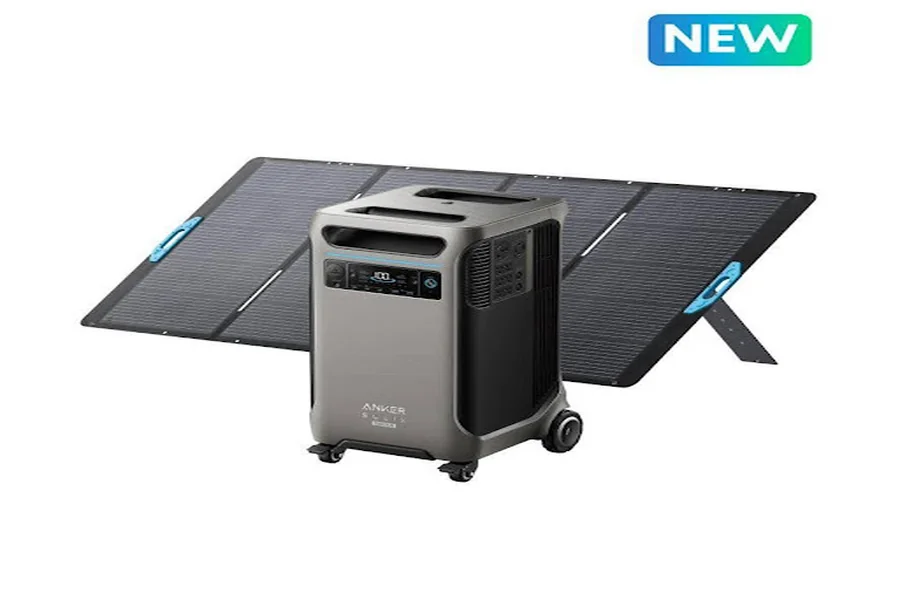
While whole-home generators provide reliable backup, exploring modern energy alternatives like solar panels coupled with battery storage offers environmentally friendly options. These systems offer reduced operational costs over time and can efficiently sustain essential home functions during outages, though initial setup costs may be comparable to generator installations. However, unlike generators which run on fuel, solar systems rely on sunlight, potentially limiting effectiveness during extended overcast periods. Evaluating advantages—like reduced carbon footprint and utilization of renewable resources—is essential when comparing technologies. Modern systems can complement whole-home generators, offering diverse solutions to energy challenges and allowing homeowners to maximize reliability and efficiency in alignment with personal preferences and sustainability goals.
Conclusion
Whole-home generators represent a significant investment, promising unmatched reliability for homeowners confronting frequent power outages or requiring continuous electricity. While upfront costs are substantial, the benefits in terms of convenience, security, and potential value increase make them worthwhile for specific home environments. Their integration provides seamless power transition during emergencies, assuring uninterrupted functionality across vital home systems. By carefully assessing individual needs and exploring diverse energy solutions, including alternative systems like solar with battery storage, homeowners can choose effective strategies for energy resilience. Ultimately, whole-home generators serve as a cornerstone of practical preparedness, offering comprehensive solutions to maintain normalcy and safeguard homes under varied conditions.