
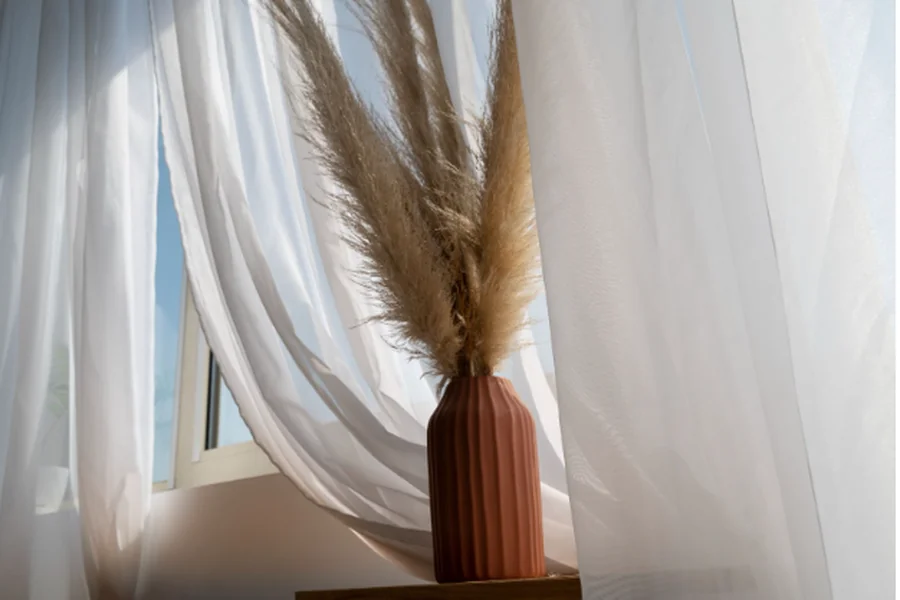
Embracing light, space, and flexibility has become a trademark of contemporary design. The use of soft, flexible materials like scrim and gauze to create enveloping structures that embody these sophisticated blends of modern living is essential. Those light, sheer curtains modulate the atmosphere of different designs within a space. The gauzy scrim fabrics ‘ lightness is a valuable contribution to the intended modern functionality of the design. Design beginners learn the techniques to make a space feel modern and inviting at the same time.
Using the scrim and gauze combination gives the user the ability to tailor spaces with soft and depth gradations, allowing the user to illuminate and design depth. These flexible application materials also work well to juxtapose different design elements to provide contrast. These building design materials use their light and porous structure to provide movement, brightness, and warmth to a space. A design for fabric shopping will modernise a space by giving it a cohesive and smooth gradation of design elements. The scrim fabric is a great tool to modulate the various atmospheric elements of a space and provide a feel of modern activation. High-quality building design materials provide a sense of lightness to a space while adding a pleasing tactile gradation. It gives a sense of tranquillity and depth in design.
The Advantages of Lightweight Fabrics in Modern Interiors
The versatility of lightweight fabrics is what makes them easy to work with. When used in a room, warm and natural light gets diffused throughout the entire room. This makes a room feel bigger and warmer. Additionally, using lightweight fabrics in a room is better than using heavy drapery. Unlike scrims, gauze, and heavy drapery, the lightweight materials do not block the light from the room and do not make it feel dark and cramped.
Lightweight fabrics are also very functional. The materials used are not only lightweight but also breathable, which means a room can be breathable and comfortable to be in. Moreover, lightweight fabrics, crims, and Gauze are woven together to create a delicate design which makes the room extra visually interesting. This can be achieved in a multitude of ways. If the light-weight fabric bottom layer of a room divider isn’t always struggling for layout space, it may be used by itself, providing a simple yet elegant look.
Manipulation of Light, Privacy, and Ambience through Layering of Gauze and Scrim
Textile layering is a technique that controls the balance of light, privacy, and ambience in a given setting. In modern interiors, layering of gauze or scrim is used to create the perception of depth, as each layer interacts differently with light. If, for instance, a gauze curtain is placed over a heavier, lined curtain, light entering the space is diffused while full privacy is maintained. The same principle applies to scrim fabrics, which come in multiple tones to provide a graduated layering to the interior space.
Because of the open weave of scrim and gauze and their ability to slightly fog visibility, the layered interior space softly filters light without full blackout. Functionality of the space is maintained while a balanced composition is achieved. Choosing gauze curtain fabric from an online fabric shop ensures that the fabric’s texture, weight, and drape are consistent, guaranteeing smooth drape across all layers and achieving the desired visual effect.
Choosing Materials for Tiered Applications
For Seamless layering, special fabrics are required. To create lighter layers, fabrics such as Scrim and gauze should be used, but for heavier layers, materials such as linen, velvet, and cotton should be used as anchors. The combination of the sheer, light, gauzy layers with the heavier, coarser, and more opaque fabrics creates contrasting experiences that are visually and texturally interesting.
Colour selection is equally important. Layering fabrics that are soft, neutral, pastel, or arranged in a light gradient can help diffuse natural light and allow the layers to integrate seamlessly. Incorporating contrasting colours that are bold or high in value is also possible when balanced thoughtfully, creating a focal point that highlights key architectural features. Designers and homeowners can feel confident when experimenting with layered combinations, as high-quality gauze curtain fabric available from an online fabric store offers excellent flexibility for achieving a refined and cohesive look.
Using Sheer Fabrics for Home Projects
Most important when working with fabrics such as gauze and Scrim is preparation. These types of fabrics tend to be very delicate, and if handled incorrectly, fraying and stretching can occur.
Particularity and diligence are necessities when it comes to edging and material industrialisation using sharp tools. For a precise, smooth cut, one must obtain a sturdy, reliable pair of scissors, although a rotary cutter should suffice. Should one cut fabric, he or she must be careful to ensure the integrity of the fabric’s delicateness and light weight. Instead of using permanent, potentially distorting pins, one should try fabric clips instead. Very little pinning is an always applicable strategy in aiding fabric cutting.
When one is layering, one should take care in measuring the extremities of each layer to ensure that they align and drop the same. Professional outcomes style outcomes demand that all layers be the same. For fabrics that are stable and evenly woven, such as gauze and curtain fabrics, the problems of reliability and craftsmanship are eliminated.
Sewing Techniques for Layered Fabrics
When documenting the sewing techniques of a particular discipline, one must ensure that the gentle drape and the soft handle of the base fabrics remain intact in order to maintain the delicate, gentle flow. The introduction of fine lightweight threads and lightweight needles is key to avoiding any unsightly puckering, large holes, or frayed edges. Smooth seams are the result of consistent and correct tension adjustments at all times during the sewing process. For a clean finish, the suggestion of French seams or narrow hems is made to avoid the appearance of bulk, which adds a significant amount of weight to the overall look, thus defeating the purpose of the desired ethereal look.
As a general principle, the proper functioning of a sewing machine may require the light application of an iron at sub-average temperatures for the base fabric. It is suggested that novices work with transparency-based fabrics as they possess several beneficial characteristics for the lightweight construction of versatile sheer drapes and panels. Maximise efficiency and sophistication when working with multiple-layer constructions; the inclusion of stylish gauze curtain fabrics can prove beneficial.
Applications in Modern Home Design
In today’s interior design, layered scrim and gauze materials are versatile in their functions. Sheer curtains gently filter and soften sunlight and warmth entering a room. Lightweight fabric room dividers provide a sense of enclosure and privacy while leaving the space open. Soft window or furniture panelling, layering of different textures, and adding the needed motion and depth to a design without overwhelming the space.
In other situations, the layering of fabrics can provide design depth in terms of textural and visual, and simply serve the purpose of decorating and enhancing the design of the space without being too overpowering to other décor found in the interior space. The neutral hue of the fabric and the versatility of scrim and gauze support its use in any space, be it a bedroom, living room, dining room, or even a home office, which makes it easy to achieve a modern and cohesive design throughout the house.
Conclusion
The application of streamlining materials such as scrim and gauze in multiples has become part of an effective material strategy in current residential design. Such lightweight fabrics serve to filter sunlight and add additional layers to an environmental design, and help better control light and air flow. The intricate air design control requires the balanced use of high-quality and low-grade fabrics, depending on the careful sewing techniques used to preserve the fragile properties of the materials. The availability of premium gauze to create curtains, offered in many online fabric stores, gives the designer and client the ability to design a space that is soothing and inviting by the purchase of multiple fabric layers in the arrangement.