
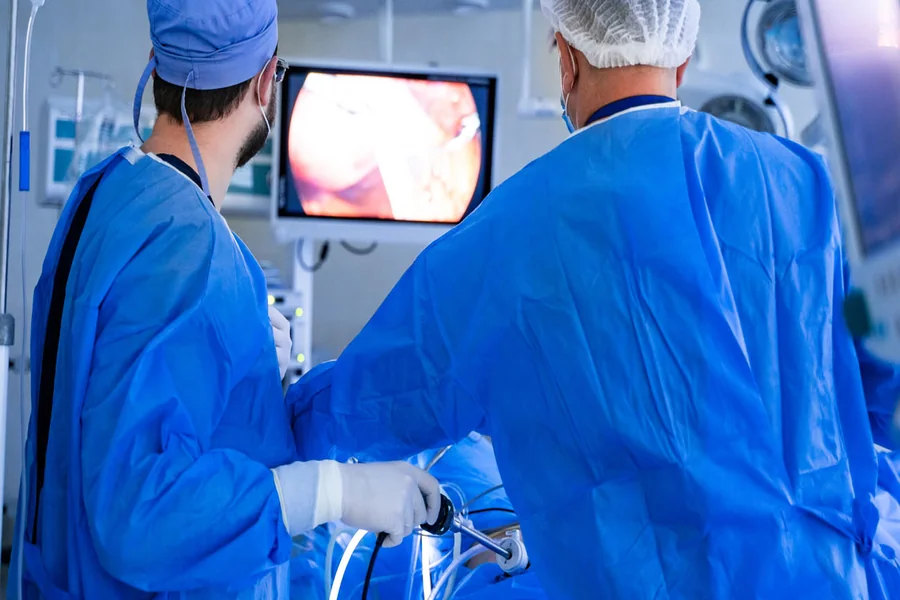
Minimally invasive surgery has revolutionized the way orthopaedic conditions are treated, offering patients faster recovery, less pain, and smaller scars. Many people in Singapore are now seeking advanced treatments at a trusted orthopaedic clinic singapore to address joint injuries, spine problems, and sports-related conditions. Unlike traditional open surgery, minimally invasive techniques use specialized instruments and cameras to perform precise procedures with minimal disruption to surrounding tissues.
If you are considering this approach, it’s important to consult with an experienced orthopaedic clinic in Singapore that offers expert assessment, state-of-the-art technology, and personalized care tailored to your needs.
Common Conditions Treated with Minimally Invasive Surgery
Minimally invasive surgery is highly effective for a wide range of musculoskeletal conditions. These procedures allow surgeons to treat issues with precision while reducing recovery time and post-operative discomfort. Some of the most common conditions include:
- Knee Injuries – ACL tears, meniscus damage, cartilage repair, and patellar problems. Arthroscopy can restore mobility without large incisions.
- Shoulder Problems – Rotator cuff tears, frozen shoulder release, and labral repairs can be treated with minimal disruption to surrounding tissues.
- Hip Conditions – Hip impingement, labral tears, and early-stage arthritis can benefit from arthroscopic procedures, helping patients regain movement faster.
- Spine Disorders – Herniated discs, spinal stenosis, and nerve compression can be managed using minimally invasive techniques, reducing post-surgery pain and hospital stay.
- Sports Injuries – Ligament or tendon injuries in athletes can be addressed quickly, allowing faster return to training and competition.
Patients seeking advanced care for these conditions can rely on a reputable orthopaedic clinic in Singapore, where experienced surgeons combine expertise with modern technology to deliver effective, minimally invasive treatment tailored to each individual.
Benefits of Minimally Invasive Orthopaedic Surgery
Minimally invasive surgery offers many advantages compared to traditional open surgery. Some of the main benefits include:
- Smaller Cuts – The surgery requires only small incisions, which means less scarring and faster healing.
- Less Pain – Patients usually feel less pain after surgery and may need fewer painkillers.
- Quicker Recovery – People can return to their daily activities sooner.
- Lower Risk of Infection – Smaller wounds reduce the chance of complications.
- Precise Surgery – Special cameras and tools help surgeons target the problem area accurately.
- Better Movement – Patients often regain joint strength and mobility faster.
These benefits make minimally invasive surgery a safe and effective option for many bone, joint, and muscle problems. With proper care after the procedure, patients can recover more comfortably and get back to their normal routines sooner.
Types of Minimally Invasive Orthopaedic Surgery
Minimally invasive orthopaedic surgery includes several techniques designed to treat different bones, joints, and soft tissues with minimal disruption. Some common types are:
- Arthroscopy – This is used for joints such as the knee, shoulder, hip, and ankle. A small camera and instruments are inserted through tiny cuts to repair ligaments, cartilage, or tendons.
- Endoscopic Spine Surgery – Small incisions and a camera allow surgeons to treat herniated discs or spinal stenosis with less tissue damage than traditional spine surgery.
- Minimally Invasive Joint Replacement – Certain hip and knee replacements can be performed using smaller incisions, reducing pain and speeding up recovery.
- Ligament and Tendon Repairs – Injuries like ACL tears or rotator cuff tears can be repaired using precise instruments, often allowing patients to return to activities sooner.
- Fracture Fixation – Some bone fractures can be stabilized using small pins or screws without large incisions.
These techniques aim to reduce pain, scarring, and recovery time while improving outcomes. An experienced orthopaedic surgeon will determine the most suitable approach based on the patient’s condition, age, and activity level.
Who is a Candidate for Minimally Invasive Surgery?
Not everyone with a joint or bone problem is suitable for minimally invasive surgery. Ideal candidates are usually those with specific injuries or conditions that can be treated with small incisions and precise tools. Common examples include:
- Ligament tears
- Meniscus damage
- Hip or spine problems
Age and overall health are also important factors. While many adults and older patients can benefit, doctors will assess underlying health issues such as heart or lung conditions, diabetes, or previous surgeries before recommending the procedure. A thorough consultation ensures the surgery is safe and appropriate for each individual.
The best way to know if you are a candidate is to schedule an assessment with an experienced orthopaedic specialist. During the consultation, the doctor will review your medical history, perform a physical examination, and order imaging tests if needed. This personalized approach helps determine whether minimally invasive surgery is the most effective treatment option for your condition.
Recovery and Rehabilitation
Recovery after minimally invasive surgery is usually faster than traditional surgery, but it still requires proper care. Most patients experience less pain and smaller scars, allowing them to return to daily activities sooner. Physiotherapy is often recommended to restore strength, flexibility, and joint movement.
Depending on the type of surgery, recovery can range from a few weeks to a couple of months. Patients are also advised to follow post-operative instructions carefully, including wound care, activity restrictions, and follow-up appointments.
Conclusion
Minimally invasive orthopaedic surgery offers a safer, less painful, and faster way to treat joint, bone, and soft tissue injuries. With the right procedure and proper post-operative care, patients can regain mobility and reduce recovery time.
If you are experiencing joint pain, sports injuries, or other orthopaedic conditions, schedule a consultation with our experienced team of specialists, at: