
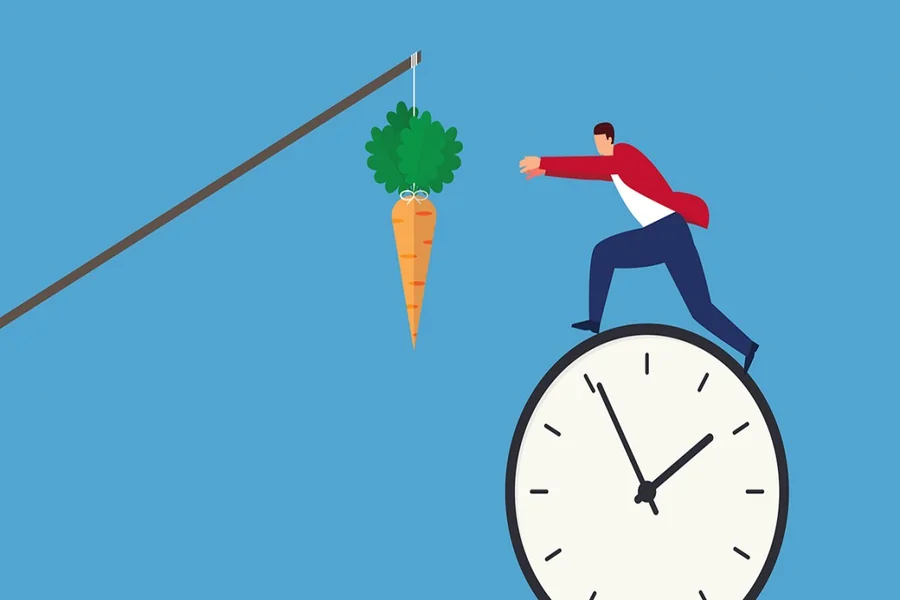
Start By Respecting The Pull, Not Resisting It Blindly
The pull of a quick win is real. A ping on your phone, a sale that ends in an hour, the warm glow after adding to your cart. Those little jolts are not defects in your character, they are features of how your brain prioritizes what feels good right now. When you respect that pull, you can design around it instead of trying to power through with willpower that fades by dinnertime. If money is tight, the urge to solve a problem right away can be even stronger, which is why you might find yourself looking at options like a 100% online title loan. The goal here is not to shame the impulse. It is to slow it down long enough to make a choice you will still like next month.
Name The Urge Before It Names Your Next Move
Immediate rewards often arrive wrapped in a feeling. Stress wants relief. Boredom wants novelty. Loneliness wants connection. Before you tap buy or say yes, pause for ten seconds and label what you feel. This is stress. This is boredom. This is excitement. Giving the feeling a name creates a tiny bit of space between the emotion and the action. In that space, you can pick a move that actually fits your long term plan.
Use Tiny Delays That Fit Real Life
Delaying a reward does not have to mean waiting forever. Try the one minute, one day, two day rule. For small wants, wait one minute and ask three questions. Will I still want this in a week. Do I already own something that works. What will I swap out to pay for it. For medium wants, wait one day and review again. For any decision that creates or increases debt, wait two days and write a short plan that includes the total cost and the payoff date. This gives your thoughtful brain a fighting chance without making life joyless.
Make The Smart Choice The Easy Choice
Self control is easier when your environment helps. Remove saved cards from shopping sites. Move tempting apps off your home screen. Turn off push notifications that poke your fear of missing out. Keep a list of pleasant, low cost activities where you will see it. A quick walk, a playlist, a call to a friend, a simple snack and water. Small design tweaks lower the effort required to do the right thing, which is exactly what you need when your energy is low.
Train Your Brain With Micro Practice
Patience is a skill. Like any skill, it gets stronger with short, frequent reps. Pick a daily moment and stretch it just a little. Let the tea steep one extra minute. Sit with a filled cart for sixty seconds before you buy. Walk the last block instead of calling a ride. These micro waits teach your brain that nothing bad happens when you delay a reward, so the next delay feels less like a battle.
Give Your Fast Brain Healthy Treats
The part of you that loves quick wins is not going away. Give it safe outlets. Set a tiny play fund for guilt free treats and put the rest of your plan on rails. Ten dollars a week can cover a coffee with a friend, a used book, or a pastry on a walk. When delight is scheduled and contained, random splurges lose their power.
Automate Wins Around Payday
Loose cash invites spur of the moment choices. Place automatic transfers the morning you get paid so money moves to savings before you see it. Pay essential bills right after payday so the basics are covered and temptation does less harm. If you want a simple structure to set up these routines, the Consumer Financial Protection Bureau offers plain language budgeting basics and worksheets that fit real life.
Replace Rules With Rituals
Rules tell you what not to do. Rituals tell you what to do instead. Build a two minute ritual you can start anywhere when an urge hits. Exhale slowly for six breaths, relax your jaw and shoulders, drink water, and say one sentence about future you. I will be glad I waited. Then take one helpful action. Step outside, stretch, or send a short message to a friend. Once your state shifts, the purchase or the distraction usually loses volume.
Measure One Honest Number Each Week
Data helps, but too much data turns into noise. Pick one number that tells the truth about your direction. Free cash flow works well. It is what remains after essentials and minimum payments. Check it once a week. If the number rises, your new habits are working. If it dips, identify the urge that tripped you up and add one new guardrail for that moment.
Use Research As A Coach, Not A Lecture
You do not need a textbook to benefit from psychology. Self control improves when you reduce decision fatigue, get enough sleep, and create simple routines that remove choice at the right moments. The American Psychological Association has an easy to read overview of willpower and self control with practical tips you can test this week. Pick one, try it for seven days, and keep what sticks.
Design A Friction Budget
Not every choice should be equally easy. Set three lanes. Green means daily needs you approve on the spot. Yellow means wants that wait a day. Red means any move that touches debt and requires a written plan and a two day pause. Write your lanes on a sticky note near your laptop. Friction converts a fast feeling into a slower process you can trust.
Plan For Hard Days
Some days the urge will roar. Prepare a script for those days. First, breathe and drink water. Second, message one person with a one sentence update. Third, take the smallest protective action, like paying a tiny bill, moving five dollars to savings, or walking for five minutes. You are not fixing everything. You are preventing a spiral while emotions cool.
Make Patience Social
Waiting is easier with company. Tell a friend you are practicing a one day pause on wants this month. Share a tiny win on Fridays. Swap ideas for free fun. When you turn delayed gratification into a friendly game, you stick with it longer and feel less alone.
Close The Loop With A Weekly Retrospective
End the week with five minutes of reflection. What triggered your strongest urges. Which tactic helped most. What will you try next. Jot one win, no matter how small. These quick retrospectives keep learning alive and turn patience from a wish into a habit.
Final Thought
Immediate rewards will always sparkle. The trick is not to erase their shine but to keep your eyes on the long view while you enjoy the right amount of now. Name the feeling, add a short delay, and make the smart path easier than the tempting one. Automate wins around payday, give your fast brain a few safe treats, and practice small waits until waiting feels normal. With steady, simple moves, the quick yes becomes a thoughtful maybe, and your choices line up with the life you are building.