
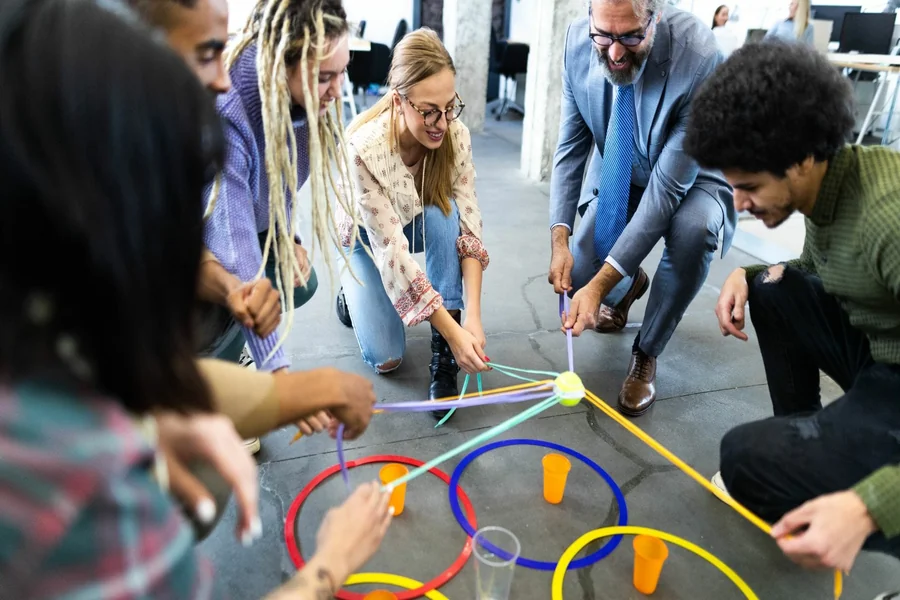
In today’s fast-paced work environment, effective collaboration is more crucial than ever. Our teams face numerous challenges that can hinder productivity and morale. That’s where team building activities come into play. By fostering stronger relationships and open lines of communication, these activities can elevate our collaborative efforts and create a more cohesive work atmosphere. In this text, we’ll explore why team building is essential and discuss various activities we can carry out to enhance workplace collaboration.
Why Team Building Matters
Team building is more than just a buzzword: it’s an integral aspect of any successful organisation. When we engage in team-building exercises, we strengthen the bonds among our colleagues. These activities allow us to break down barriers and create an environment where open communication thrives.
Also, team building encourages individuals to work together towards a common goal. It helps us recognise the diverse skills within our team, enhancing our overall effectiveness. By participating in team-building activities, we invest in our workplace culture, leading to increased trust and collaboration.
Benefits of Enhanced Workplace Collaboration
When we prioritise collaboration through team building activities, the advantages are palpable:
- Improved Communication: Activities allow us to practice and enhance our communication skills in a relaxed setting. This translates to better interactions during regular work hours.
- Boosted Morale: Engaging in fun and interactive activities increases employee satisfaction. Happy employees are more likely to be productive.
- Diverse Perspectives: Team-building activities encourage everyone to share their ideas and viewpoints, leading to innovative solutions and strategies.
- Conflict Resolution: By fostering stronger relationships, we equip ourselves with techniques for managing workplace conflicts more effectively.
- Increased Productivity: A good rapport among team members leads to better collaboration and a more efficient workflow.
By focusing on these benefits, we can see how impactful a strong, collaborative team can be.
Types of Effective Team Building Activities
To maximise our team’s collaborative potential, we can explore a variety of team-building activities. Here, we’ll break them down into three main categories:
Outdoor Activities for Team Building
Outdoor team-building activities allow us to step away from the confines of our usual environment. These activities can include:
- Obstacle Courses: Through navigating challenges together, we build trust and communication skills.
- Team Sports: Activities like football, volleyball, or tug-of-war foster teamwork and camaraderie in a lively atmosphere.
- Adventure Retreats: These experiences can help teams bond and develop problem-solving skills while enjoying nature.
Indoor Activities for Team Building
Indoor activities can be just as impactful, especially for those inclement weather days. Options might include:
- Escape Rooms: A fun way to encourage critical thinking and teamwork as we work together to solve puzzles.
- Workshops: Engaging in skill-building workshops, from cooking classes to art sessions, can enhance creativity while bonding as a team.
- Board Game Tournaments: Friendly competition can spark collaboration and lead to a casual atmosphere for communication.
Virtual Team Building Activities
As remote work continues to be a norm, we must also adapt our team-building strategies:
- Virtual Trivia Games: These can be quick and fun, promoting teamwork across distances.
- Online Workshops: Skill-sharing sessions or courses can be organised over video calls, allowing us to learn and collaborate in a virtual setting.
- Virtual Coffee Breaks: Taking short breaks to catch up can help maintain team spirit, even when we’re working separately.
Planning and Implementing Team Building Activities
When it comes to planning effective team-building activities, several steps can guide us:
- Identify the Goals: What do we want to achieve? Whether it’s improving communication, enhancing trust, or simply having fun, defining clear objectives is crucial.
- Know Our Team: Each team is unique. Understanding the preferences and dynamics of our team can help us select appropriate activities.
- Set a Budget: Be it a large-scale retreat or a simple lunch, having a budget in place will ensure we can focus on making the most of our planned activities.
- Choose a Date: Finding a time that works for everyone can be challenging, but it’s critical to get maximum participation.
- Solicit Feedback: After the activities, seeking input from our team can help us refine future events and understand their needs better.
Effective planning is key to ensuring our team-building activities are engaging and fruitful.
Measuring the Impact of Team Building on Collaboration
To truly understand the effectiveness of our team-building initiatives, we need to measure their impact:
- Surveys and Feedback Forms: After events, collecting feedback helps evaluate what worked and what could be improved.
- Observe Team Dynamics: In the weeks following activities, noticing changes in collaboration, communication, and morale can serve as indicators of success.
- Performance Metrics: Reviewing productivity and output before and after team-building activities can reflect improvements in collaboration.
- Follow-Up Activities: Scheduling regular follow-ups can ensure that the momentum gained from team-building doesn’t fade away.
Conclusion
To conclude, team building activities are not just fun distractions from our work: they are vital components of our organisation’s success. By investing time and resources into these activities, we enhance collaboration, improve communication, and eventually boost productivity. Let’s embrace these opportunities to strengthen our teams and foster a more cohesive workplace, ensuring that we work not just as colleagues, but as a united team.