
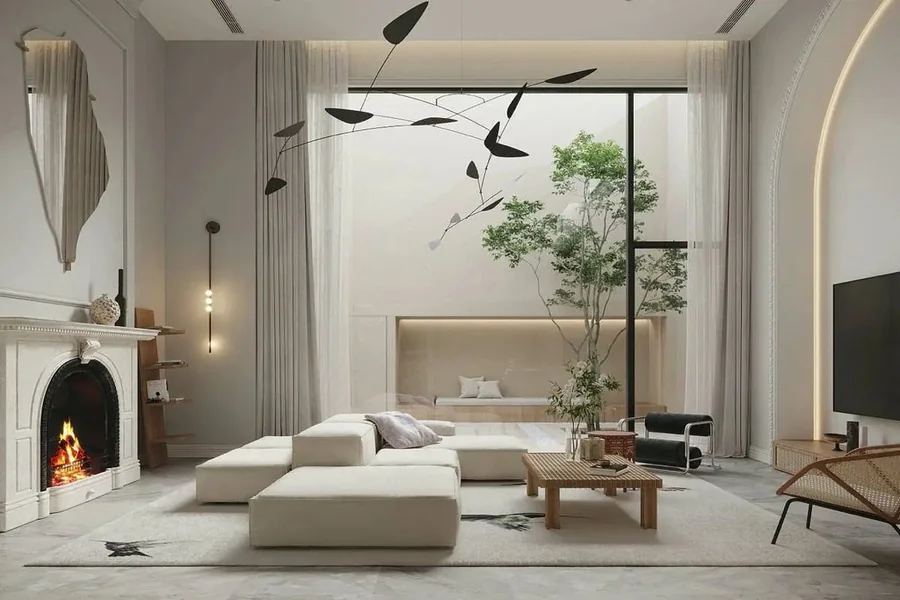
Luxury interior design is on the edge of its most transformative decade yet. As the world balances new technologies, climate realities, and evolving lifestyles, the meaning of luxury inside the home will shift dramatically. From the way materials are sourced to how spaces adapt to our changing lives, the interiors of the next ten years will redefine what “luxury” means—not as excess, but as considered comfort, intelligent design, and deeply personal style. Here’s a look at the defining trends likely to shape the next decade of high-end living.
Personalised Homes: Bespoke Becomes the Standard
Customisation has always been part of luxury, but over the next decade it will be the default expectation rather than an added benefit. Designers will use AI-driven tools to model interiors precisely to a client’s daily routines, moods, and habits. Smart layouts will adapt: walls that move, furniture that reconfigures, and lighting that changes tone according to activity. Instead of buying “a look,” homeowners will invest in interiors that feel like one-of-a-kind extensions of themselves.
The Rise of Regenerative Design
Sustainability is no longer enough—luxury homes of the next decade will embrace regenerative design. This means interiors that actively improve the environment rather than simply reducing damage. Expect furniture built from reclaimed timbers, textiles woven from agricultural by-products, and walls that integrate moss, algae, or fungi to clean air and regulate humidity. Designers will be tasked not only with creating beauty, but with making spaces that give back to the ecosystem. The most exclusive projects will be those that leave the lightest footprint.
Technology That Blends into Everyday Life
We’ve already seen the rise of smart homes, but the next ten years will refine the idea into invisible intelligence. Imagine induction cooktops built directly into stone counters, climate systems that silently adjust to your body temperature, and audio systems woven into fabrics. Augmented reality will change how art and décor are experienced, allowing homeowners to rotate digital collections with a gesture. Luxury will mean seamless integration—tech that makes life easier while being invisible to the eye.
Natural Materials Take the Lead
Stone, wood, clay, and metal will dominate luxury interiors in the next decade, but with a focus on authenticity. Artificial substitutes will lose their appeal, while clients will pay a premium for rare marbles, ethically sourced hardwoods, and metals with distinctive patinas. Textures will matter as much as aesthetics: rough, hand-chiseled stone; plaster walls with subtle imperfections; and handmade tiles that add a human touch. The most luxurious interiors won’t be flawless—they’ll be tactile, imperfect, and deeply real.
Wellness as a Lifestyle, Not a Feature
The luxury of the next decade is health, and homes will be designed to support it at every level. Bedrooms will feature air purification systems that sync with circadian rhythms, showers will deliver vitamin-infused water, and lighting systems will mimic natural daylight cycles. Acoustic design will also rise in importance, creating sanctuaries of quiet in busy urban settings. Instead of being a “spa room” add-on, wellness will be woven through every part of the house, from flooring that reduces fatigue to furniture that supports posture and movement.
Cultural Blending and Global Craft
As the world becomes more interconnected, luxury interiors will showcase craftsmanship from across the globe. Expect Moroccan zellige tiles in kitchens, Japanese shou sugi ban in cladding, Indian handwoven silks in upholstery, and Scandinavian timber joinery in furniture. Rather than clashing, these influences will be carefully balanced to create global narratives within a single home. Collectors will increasingly commission work from artisans abroad, creating pieces that carry both cultural depth and exclusivity.
Flexible Luxury for a Changing Lifestyle
One of the biggest shifts in the next decade will be the design of spaces that evolve with life. Homes will be built with multi-functional layouts: dining rooms doubling as workspaces, lounges that convert into home cinemas, and terraces that act as outdoor offices. Luxury will no longer mean having multiple unused “formal rooms,” but instead beautifully designed spaces that adapt without compromise. The ability to flex between entertaining, working, and resting will define the homes of tomorrow.
The Importance of Storytelling in Design
A new generation of luxury clients, particularly younger buyers, will prioritise meaning over excess. They want to know where materials came from, who made them, and why they matter. Storytelling will become a central part of luxury interior design. From commissioning a cabinet hand-carved by a fourth-generation Italian artisan to installing hand-painted wallpaper inspired by family heritage, the next decade will be about pieces that carry narratives. Luxury will be emotional as much as visual.
Colour Trends for the Decade Ahead
Colour in luxury interiors will move away from short-lived “trends” and instead focus on long-term palettes that age well. Earthy hues—sand, ochre, and terracotta—will remain strong, paired with deep mineral tones like jade, lapis, and obsidian. Metallics will lean toward burnished gold, copper, and bronze rather than high-shine finishes. Expect to see layered neutrals dominating bedrooms and living spaces, with bolder jewel tones appearing as accents in cabinetry, art, and textiles.
Outdoor Living, Elevated
Over the next decade, outdoor areas will rival interiors in comfort and style. Advances in weather-resistant textiles and smart shading will make terraces usable year-round, while luxury pools will incorporate natural filtration systems using plants instead of chemicals. Outdoor kitchens will include induction, refrigeration, and even pizza ovens, allowing entire meals to be hosted under the open sky. Landscapes will be designed for wellbeing as much as beauty, with sensory gardens that engage sight, scent, and touch. Many country homes already reflect this shift, with luxury interior design in Surrey often extending seamlessly into landscaped gardens, blending indoor refinement with outdoor relaxation.
The Quiet Luxury of Time and Patience
Above all, the defining characteristic of luxury interiors over the next decade will be patience. Homes will no longer be “completed” in one go, but will evolve over years, with carefully chosen additions and investments. Clients will value timelessness over trend, and durability over instant gratification. Luxury will mean having the time to source, to wait for bespoke craftsmanship, and to live in spaces that reveal themselves slowly. In an age of speed, the ultimate indulgence is slowness.
The next decade promises a profound shift in luxury interior design. Technology will fade into the background, wellness will move into the architecture itself, and global craft will take centre stage. Natural materials, sustainability, and storytelling will define the choices of discerning homeowners. Above all, luxury will no longer be measured by excess, but by thoughtfulness—how a home feels, functions, and connects to the people who live there. By 2036, the most coveted homes will not be the most extravagant, but the ones that embody meaning, sustainability, and timeless design, as noted by eeetimes.