
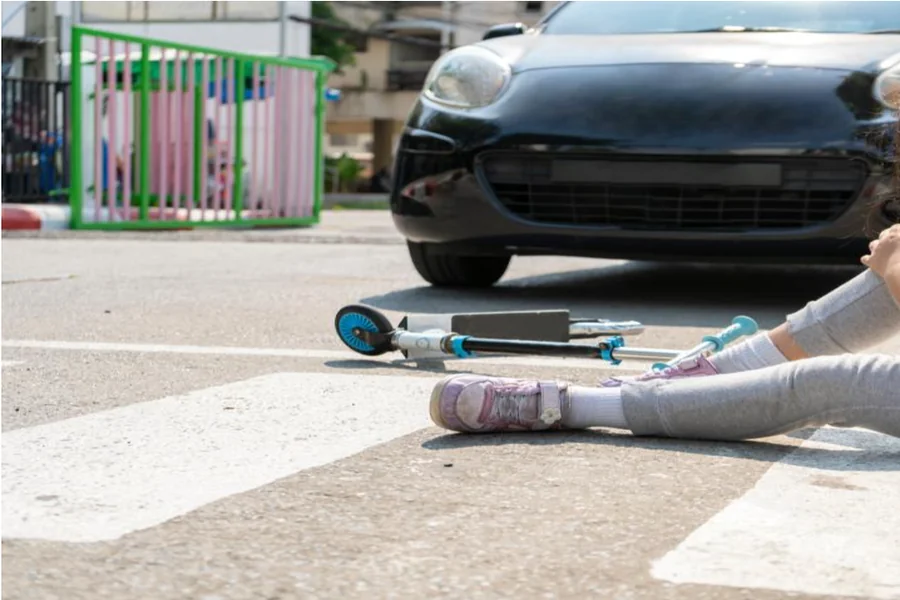
A simple step onto the road should never carry so much risk, yet for pedestrians, it often does. There is no shield, no barrier, and no second layer of protection to soften the impact of a moving vehicle. What follows is not just physical damage, but a long and confusing path filled with questions that do not settle easily.
The legal side of such cases stays hidden at first, only showing its weight over time. Things that seem clear on the surface begin to shift, and that is where the real challenge begins to unfold.
Why Pedestrian Cases Carry More Risk
Pedestrian accidents stand apart because the level of risk is far greater. A person on foot has no protection against the force of a vehicle, which often leads to serious injuries. This higher level of harm changes how the case is handled and reviewed.
A pedestrian injury attorney often sees that these cases are not just about the accident itself but about the extent of damage that follows. The greater the injury, the more detailed the claim becomes. This adds layers to the process, making it harder to resolve quickly or simply.
Fault Is Not Always Easy to Prove
At first, it may seem clear who is responsible, but pedestrian cases often bring unexpected complications. Drivers may deny fault, and situations involving crossings, signals, or road conditions can create confusion.
Sometimes, both sides may present different versions of what happened. This makes it difficult to establish a clear line of responsibility. Proving fault requires careful attention to every detail, and even small gaps in information can affect the outcome.
Evidence Can Be Limited or Unclear
Unlike other accidents, pedestrian cases may not always have strong physical evidence. There are no vehicle damage patterns to rely on in the same way, and sometimes there are no cameras nearby to capture the event.
This means the case may depend heavily on witness statements or partial records. If these are missing or unclear, it can weaken the claim. Collecting evidence quickly becomes important, as delays can make it harder to find accurate details later.
Insurance Companies May Complicate the Process
Insurance companies play a large role in these cases, and their approach can add more difficulty. They may question the severity of injuries or try to reduce the value of the claim.
Communication may not always be smooth, and delays can slow down progress. There may also be pressure to accept a settlement early, even before all facts are fully reviewed. This creates a situation where careful handling becomes necessary to avoid mistakes.
The Legal Process Feels Longer Than Expected
The legal journey in pedestrian accident cases often takes more time than people expect. It begins with an investigation, where details are gathered and reviewed. After that, the claim is filed, and communication with insurers begins.
Negotiations may take time, and not every case reaches a quick agreement. Some cases move forward into court, which adds more steps to the process. Each stage builds on the previous one, making patience an important part of handling the case.
Common Challenges That Often Go Unnoticed
- Lack of clear evidence at the scene
- Confusion about right-of-way rules
- Different witness statements that do not match
- Delays in medical records or reports
- Miscommunication during insurance discussions
These challenges may not be visible at first, but they slowly affect how the case develops over time.
How Proper Guidance Makes a Difference
Handling a pedestrian injury case without proper support often leads to confusion, missed steps, and unnecessary delays that can weaken the overall claim. Professional guidance brings structure to a situation that may feel scattered and difficult to manage at first. It helps in organizing evidence in a clear way, maintaining proper communication with insurance companies, and ensuring that all timelines are followed without mistakes.
Each part of the case starts to connect in a logical manner, making the process smoother. With the right direction, it becomes easier to avoid errors and keep the case moving steadily toward a clear outcome.
Final thought!
Pedestrian injury cases carry challenges that are not always visible at the start. From unclear evidence to complex legal steps, each part adds to the difficulty of the process.
Working with a pedestrian injury attorney brings a sense of direction to this path. What begins as confusion can slowly turn into clarity, where each step has purpose, and every detail finds its place within the larger picture.