
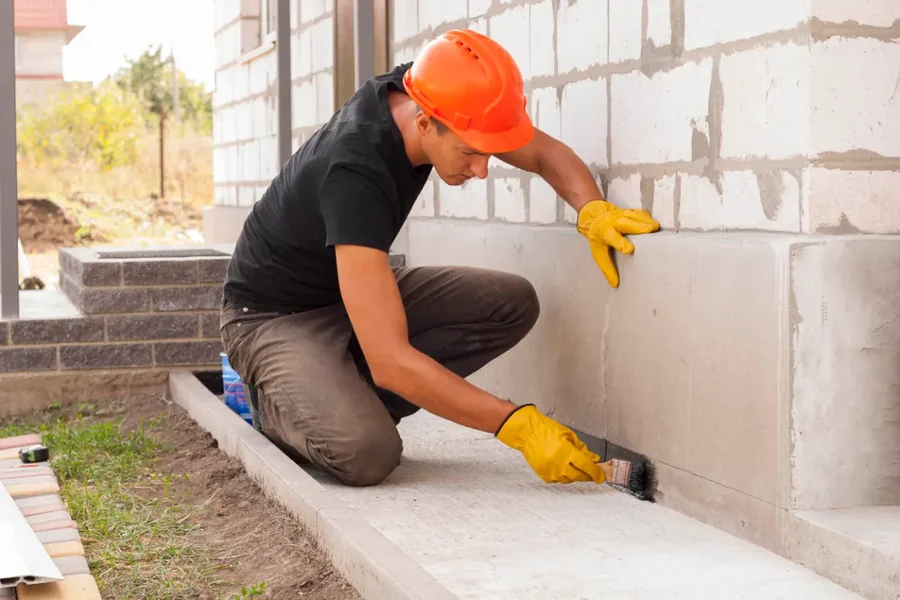
A damp or leaky basement is more than just an inconvenience—it can be the precursor to serious structural damage, unhealthy mold growth, and lost property value. For homeowners who want to protect their investment and create a dry, livable lower level, understanding basement waterproofing Bronx is essential. This comprehensive guide explores the most effective waterproofing methods, breaks down expected costs, and highlights the common pitfalls that can sabotage your efforts.
Understanding the Problem
Before diving into waterproofing solutions, it’s important to understand why basements get wet in the first place. Water naturally follows the path of least resistance. When rainwater or groundwater isn’t properly diverted away from your home, it can seep through cracks, porous concrete walls, or improperly sealed window wells. Hydrostatic pressure—the force of water pushing against your basement walls—can also force moisture through even the smallest fissures. Identifying the source of moisture is the first and most crucial step before implementing any waterproofing method.
Exterior Waterproofing Methods
Exterior waterproofing is considered the most thorough and long-lasting solution. It involves excavating the soil around the basement walls to apply a waterproof membrane or coating. Drainage panels may be installed to direct water away from the foundation, and a French drain or weeping tile system might be placed to collect and redirect groundwater.
While highly effective, exterior waterproofing comes with significant labor and cost. Because it requires digging around the home’s perimeter, landscaping may need to be removed and replaced. Despite the expense, many homeowners opt for this method when building new homes or undertaking major renovations.
Interior Waterproofing Techniques
Interior solutions focus on managing water that has already entered the basement. They typically involve sealing cracks and walls with waterproof coatings or epoxy injections. A common system includes installing a sump pump and interior drainage channels along the perimeter of the basement floor. These systems collect incoming water and direct it into the pump, which then expels it away from the foundation.
Though less expensive than exterior options, interior waterproofing doesn’t solve water intrusion at its source. However, it’s often a more practical solution for homeowners dealing with minor leaks or moisture.
Drainage Improvements Around the Home
Sometimes, waterproofing doesn’t require excavation or interior renovations—it starts with improving the landscape around your home. Ensuring proper grading so that water flows away from the house can make a substantial difference. Extending downspouts, cleaning gutters, and using swales or berms to reroute water can be surprisingly effective.
Window wells should be fitted with covers to prevent pooling water. In addition, permeable paving around the property can help reduce runoff and direct water away from vulnerable basement areas.
Costs: What to Expect
Waterproofing costs vary widely depending on the method chosen and the severity of the issue. Exterior waterproofing can range from $8,000 to $15,000 or more for a full perimeter excavation and membrane installation. Interior systems may cost between $2,000 and $7,000, with sump pump installations typically falling on the lower end of that spectrum.
Crack injection and sealant application can cost a few hundred dollars, making it an attractive option for minor repairs. However, keep in mind that surface solutions often need to be repeated over time. Investing in a more permanent system may save money in the long run.
Common Mistakes to Avoid
The most frequent mistake homeowners make is ignoring warning signs. Musty odors, peeling paint, and efflorescence (white powdery deposits on basement walls) are all clues that moisture is present. Waiting too long allows problems to escalate, driving up costs and complicating repairs.
Another misstep is relying solely on interior waterproofing when exterior issues are driving the water infiltration. Skipping a thorough diagnosis—such as hiring a professional to assess the source of the leak—can lead to wasted effort and ineffective treatments.
Choosing the cheapest method without considering its longevity or appropriateness for your specific situation is another risky move. Every basement is different, and cookie-cutter approaches rarely provide optimal results.
Final Thoughts
Basement waterproofing is part science, part strategy. While there’s no one-size-fits-all solution, understanding your options and tailoring them to your home’s unique needs will ensure a dry, secure, and comfortable lower level. The key is to act early, prioritize prevention, and never underestimate the power of water—and what it takes to keep it out. For expert sidewalk repair and trusted renovation services in New York City, homeowners turn to Zicklincontracting.com for reliable, DOT-approved solutions that stand the test of time.