
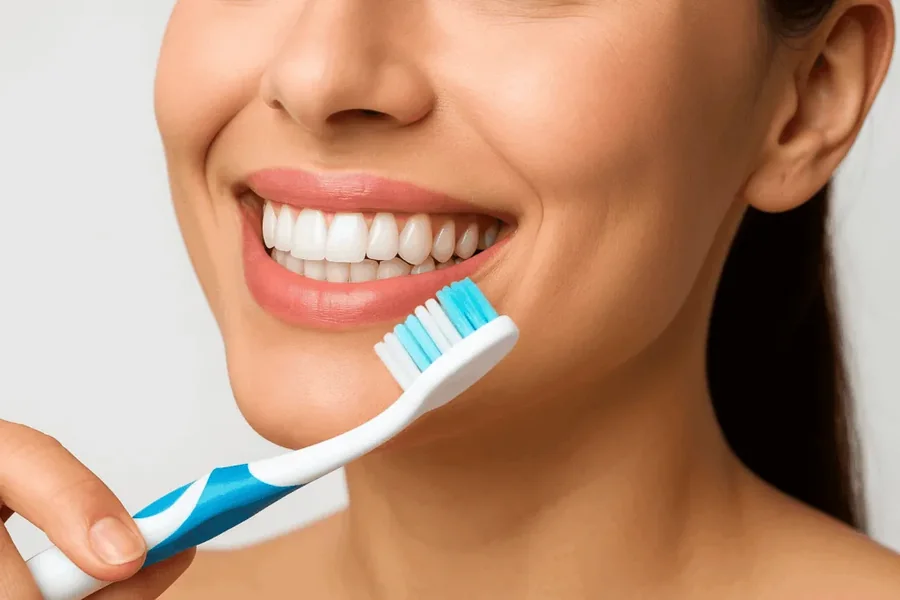
Maintaining optimal oral hygiene is crucial for a healthy smile, and one tool that plays a pivotal role in this regard is the interdental brushes. These small brushes are designed to clean the spaces between your teeth, where a regular toothbrush cannot reach. Understanding the importance and correct usage of these brushes can significantly enhance your dental care regimen.
What Are Interdental Brushes?
Interdental brushes are small, narrow brushes specifically designed to clean between the teeth. They offer an effective alternative to dental floss, especially for those with gaps or wider spaces between their teeth. By removing plaque and food particles from these areas, interdental brushes help prevent gum disease and tooth decay.
Benefits of Using Interdental Brushes
The primary benefit of using interdental brushes is their ability to reach areas that a conventional toothbrush cannot. This makes them essential for preventing plaque buildup, which if unchecked, can lead to periodontal disease. Regular usage can contribute to fresher breath, a brighter smile and a lower risk of cavities.
Improved Gum Health
By cleaning the gaps between the teeth, interdental brushes help in reducing the risk of gingivitis and other periodontal diseases. They effectively remove the food particles and plaque that irritate gums, promoting healthier tissues.
Convenience and Ease of Use
Interdental brushes are user-friendly and can be easily incorporated into your daily oral hygiene routine. Unlike flossing, which some find cumbersome, these brushes are straightforward to use and are available in various sizes to suit different gaps between teeth.
Choosing the Right Size
Selecting the correct size of interdental brush is key to effective cleaning. Brushes come in different sizes to fit the varied interdental spaces one might have. It is advisable to consult with a dental professional to determine the most appropriate size for each individual, ensuring optimal cleaning without causing injury to the gums.
How to Use Interdental Brushes
The correct technique is crucial when using interdental brushes. Gently insert the brush between your teeth without force, moving it back and forth a few times in each space. It is important to replace the brush when the bristles become worn to maintain efficiency.
Frequency of Use
For optimal results, interdental brushes should be used daily as a part of your oral hygiene regimen. They can be used both in the morning and at night after meals as a complement to regular brushing.
Alternatives to Interdental Brushes
While interdental brushes are highly effective, some prefer using other tools like traditional dental floss or water flossers. Each of these tools comes with its own set of advantages, and selection should be based on personal preference and dental advice.
Consulting Your Dentist
Before incorporating interdental brushes into your routine, it is wise to seek guidance from a dental professional. They can provide recommendations on the size and type best suited for your dental needs.
Purchase and Availability
Interdental brushes are widely available in pharmacies, supermarkets, and online platforms. It is important to choose high-quality products to ensure effectiveness and durability. Online shopping providers such as Go 2 DentaGenie offer a range of sizes and brands to meet individual requirements.
Caring for Interdental Brushes
Proper maintenance of interdental brushes is essential for longevity and hygiene. Rinse the brush thoroughly after each use and allow it to air dry. Avoid bending the brushes excessively to maintain their shape and effectiveness.
Environmental Impact
Many companies now offer eco-friendly interdental brushes made from biodegradable materials. This provides an environmentally conscious choice for those seeking to reduce their carbon footprint while maintaining oral health.
Conclusion
Interdental brushes are a critical component of a comprehensive oral care regime, offering benefits that go beyond what traditional brushing can achieve. By selecting the right size, using them correctly, and incorporating them into your daily routine, you can significantly enhance your dental health and maintain a healthier smile.