
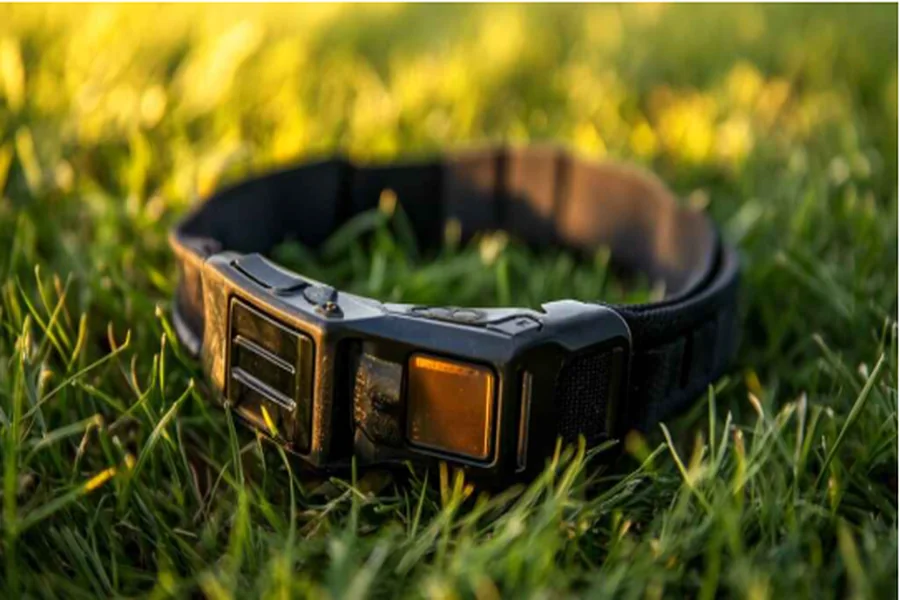
Invisible fences are popular tools for pet containment because they offer freedom without physical barriers. They use a transmitter, a buried wire or wireless signal, and a receiver collar worn by the dog. The collar gives a warning tone or correction when the dog nears the boundary. But when the system fails, your dog’s safety can be at risk.
A malfunctioning collar can let your dog escape or cause confusion during training. Problems may come from the collar, the fence, or the setup itself. If you’re dealing with an invisible fence collar not working, it’s essential to identify the issue quickly. This article covers the top reasons your invisible fence collar may not be working properly.
Common Reasons of Collar Failure
1. Low Battery
A drained or weak battery is one of the most common reasons a collar stops working. When power is too low, the receiver may not detect the boundary signal or deliver a correction. Many collars include a low battery light, but it’s easy to overlook. Regular battery checks help avoid unexpected failures.
Battery life can vary by brand and how often your dog triggers the system. Some models need replacement batteries, while others are rechargeable. Either way, you should follow the manufacturer’s schedule. Keeping spare batteries or charging regularly prevents your dog from wandering off unexpectedly.
2. Improper Collar Fit
Even with a charged battery, a poor fit can stop the collar from working. The contact points must touch the skin to deliver the correction. If the collar is too loose, it won’t deliver the warning or static signal correctly. A poor fit can make the system seem broken when it’s not.
On the other hand, a collar that is too tight can irritate the dog’s neck. The proper fit should allow two fingers between the strap and the neck. Dogs grow, lose weight, or change fur thickness with seasons. Checking the collar regularly helps maintain effectiveness and comfort for your dog.
3. Damaged Collar Receiver
The receiver is the brain of the collar, responsible for detecting signals and delivering corrections. Water damage, rough play, or chewing can cause internal failures. Even weatherproof collars are not completely immune to moisture over time. If the receiver is silent, damage may be the reason.
If you notice an invisible fence collar not working, inspecting the receiver closely is crucial. Look for visible signs like cracks, corrosion, or loose prongs. If it looks worn or faulty, contact the manufacturer about testing or replacement. Some warranties cover receiver damage within a certain period. Keeping the collar dry and clean extends its life and prevents issues.
4. Signal Interference
Wireless systems can suffer from signal interference that disrupts communication. Large metal objects, underground wires, or nearby electronics can block or distort the signal. This may cause random corrections or no response in certain areas. A collar that works sometimes but not always may be affected.
To fix it, identify and remove or move potential sources of interference. You may also need to reposition the transmitter for better coverage. In extreme cases, switching to a wired system may solve the issue. Regular testing around your yard helps detect and correct weak signal zones.
5. Incorrect Boundary Settings
Many invisible fence systems allow you to adjust how close your dog can get to the wire. If these settings are changed, the warning or correction may occur too early or too late. Your dog may become confused if the boundaries are inconsistent. A misconfigured setting often leads to escapes.
Review your transmitter’s range settings using the test collar or manufacturer instructions. If needed, reset them to your original desired perimeter. After adjusting, walk the perimeter and verify the collar gives timely signals. Stable, predictable boundaries are key to your dog’s learning process.
6. Broken Fence Wire
In wired systems, the boundary wire must form a continuous loop to transmit signals. Damage from digging, weather, or lawn equipment can cause breaks. A break in the wire stops the signal entirely, making the collar useless. Sudden system failure often means the wire is damaged.
Use a wire break locator or consult a professional if you suspect a break. Once located, repair it using a waterproof splice kit. To prevent future breaks, bury the wire deeper and mark its location. Regular checks during yard work can also protect the wire from accidental cuts.
7. Desensitized Dog
If your dog gets used to the correction, it may start ignoring the signals. This often happens when the collar fails to deliver consistent feedback. Dogs may realize the shock is tolerable and push through the boundary. Repeated escape attempts can become a bad habit over time.
You may need to retrain your dog and adjust the collar’s correction level. Reinforce training using praise and leash guidance near the boundary. A refresher session helps re-establish respect for the warning tone. Consistent corrections are necessary to prevent long-term desensitization.
8. Wrong Contact Points
Collars come with different contact points for dogs with short or long fur. If the prongs are too short for a thick coat, they won’t reach the skin. This prevents the warning or correction from being delivered. Your dog might cross the boundary and ignore the signal altogether.
Choose longer contact points if your dog has a thick or double coat. Some collars include several sizes or sell them separately. You can also trim a small area of fur to improve contact. Test the collar by activating it manually and confirming the correction is delivered properly.
9. Worn Out Components
Over time, parts of the collar wear down from daily use and exposure. Plastic can crack, metal prongs can rust, and straps can stretch or tear. Even internal electronics may fail after repeated exposure to heat or moisture. Wear and tear are normal but must be addressed quickly.
Inspect the collar weekly for signs of damage or malfunction. If you notice loose prongs, frayed wires, or flickering indicator lights, replace the parts immediately. If your invisible fence collar not working issue persists, most manufacturers offer replacements or repair kits. A small fix today can prevent a major failure tomorrow.
10. Improper Training
An invisible fence only works if your dog understands how it operates. Skipping or rushing through the training can cause confusion or fear. Dogs need time to learn that the warning tone means stop. Without clear instruction, they might associate the signal with random punishment.
Training should be done gradually over several days using consistent routines. Start with a leash and reinforce correct behavior with praise or treats. Let your dog test the boundary under supervision before allowing free roaming. Good training builds confidence and respects the fence.
11. Software Malfunction
Some collars have digital software that controls correction levels and signal detection. If the software crashes or becomes outdated, the collar may stop working. Settings may reset, or signals may be missed entirely. Even if the hardware is fine, the software may cause failure.
Follow the manual’s directions for updates and resets. Keep the firmware up to date if your system includes that feature. If glitches continue, contact customer support for diagnostics. A factory reset may solve many problems caused by faulty software or power surges.
12. Incorrect Correction Level
If the correction level is too low, your dog may not respond to it. Strong-willed dogs might ignore a mild static correction, especially when excited. If it’s too high, the correction may scare or traumatize your pet. Both extremes reduce the effectiveness of the system.
Start at the lowest level and gradually increase it as needed based on your dog’s reaction. Monitor for signs of fear or avoidance, and adjust accordingly. Use corrections only to reinforce boundaries, not punish. Matching the level to your dog’s needs ensures safety and success.
13. Low Signal Range
Wireless fence systems have limited coverage areas based on the strength of the transmitter. If your yard is larger than the system’s range, outer areas may not be covered. Your dog could reach those zones and receive no warning or correction at all. Gaps in coverage create risk, especially if your invisible fence collar not working properly.
To fix this, test the collar at various distances and walk the perimeter yourself. If the range is too short, consider repositioning the transmitter or upgrading to a stronger system. For larger yards, wired systems may provide better coverage. Always match the system to your space.
Mimofpet for Quality
When choosing reliable invisible fence solutions, Mimofpet is a trusted name among pet owners who value quality and performance. Their collars and containment systems are designed to work with consistency and comfort for your pet. Whether you need replacements, upgrades, or full kits, Mimofpet offers equipment that meets high standards. With durable materials and dependable electronics, you can count on long-term functionality.
Mimofpet also provides responsive customer support to help you troubleshoot issues or find the right products. Their team understands pet safety and is ready to guide you through setup, maintenance, or repairs.
Closing Remarks
Invisible fence collars offer freedom and safety when used properly, but they require regular checks. From weak batteries to damaged wires and poor fit, many small issues can cause failure. The key to preventing problems is consistent inspection and quick response to any signs.
Understanding the cause of failure helps you restore function quickly. Combine good hardware with proper training for the best results. Your dog depends on you for safe boundaries. A well-maintained invisible fence gives both you and your pet peace of mind every day.