
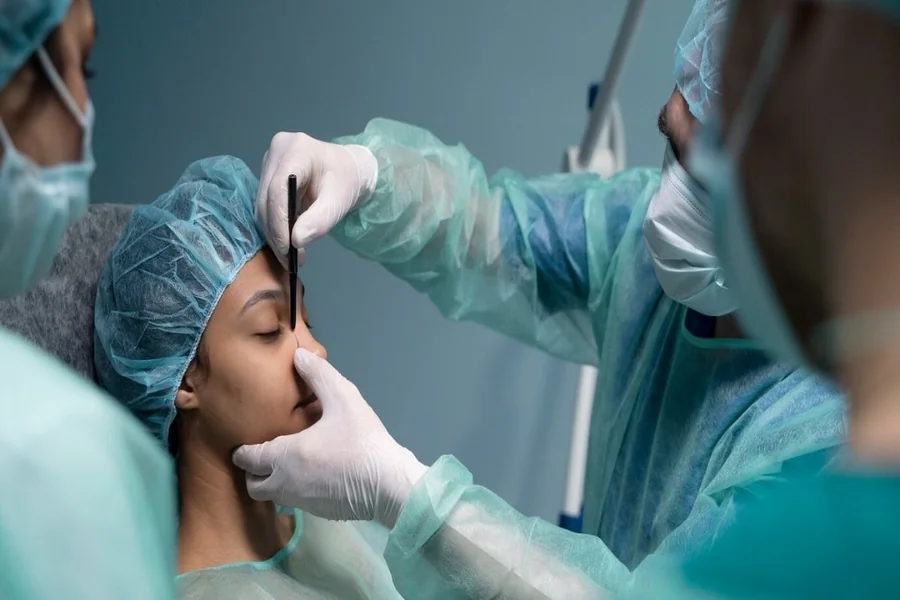
Rhinoplasty is a common surgical procedure that is performed to change the shape of the nose for either cosmetic or functional reasons. In Sydney, the popularity of this procedure has risen over the years due to advancements in surgical techniques and the influence of aesthetics in everyday life. For those interested in sydney rhinoplasty, it is essential to understand the various aspects surrounding this operation.
What is Rhinoplasty?
Rhinoplasty, often referred to as a “nose job,” is a plastic surgery procedure for altering and reconstructing the nose. Surgeons perform this operation to enhance the nasal appearance, correct congenital defects, improve breathing functions, or repair damages from injury or trauma.
Types of Rhinoplasty
There are several types of rhinoplasty, each serving different purposes. Cosmetic rhinoplasty is aimed at improving the aesthetic appearance of the nose. Functional rhinoplasty deals with resolving issues that affect nasal breathing, like a deviated septum. Revision rhinoplasty, on the other hand, is performed to correct or improve the outcomes of a previous surgery.
Open vs. Closed Rhinoplasty
The two main techniques used in rhinoplasty are open and closed rhinoplasty. In open rhinoplasty, surgeons make an incision on the columella, the tissue between the nostrils, allowing for more direct access to the nasal structures. Closed rhinoplasty involves incisions within the nasal passages, resulting in no visible scarring.
Choosing a Rhinoplasty Surgeon
Choosing the right surgeon is one of the most critical steps in undergoing rhinoplasty. Prospective patients in Sydney should look for a qualified and experienced surgeon who can provide a thorough consultation and clear communication about the desired outcomes and possible risks.
Initial Consultation
During an initial consultation, the surgeon will assess the patient’s medical history, examine the nose, and discuss the patient’s expectations and concerns. This visit is an opportunity for the patient to understand the procedure, explore various options, and clarify any doubts.
Importance of Board Certification
Ensuring the surgeon is board-certified by the relevant plastic surgery boards is crucial. Certification indicates that the surgeon has met high standards in terms of education, ethical conduct, and professional practice in rhinoplasty.
The Procedure
The rhinoplasty procedure begins with the administration of anaesthesia. Whether local or general anaesthesia is used depends on the complexity of the surgery and the preference of the surgeon and patient. Once anaesthesia takes effect, the surgeon makes the necessary incisions to access the underlying structures of the nose.
The surgeon then reshapes the nose by altering the bone and cartilage. After the desired shape is achieved, the surgeon closes the incisions with fine sutures. In cases where cartilage or bone needs to be added, grafts may be used from other parts of the body or synthetic materials might be introduced.
Recovery and Aftercare
Recovery from rhinoplasty involves a series of steps that patients need to follow for optimal results. Swelling and bruising are common post-operative symptoms, and patients are advised to rest with their head elevated to reduce these effects. Strenuous activities should be avoided for several weeks.
Follow-up appointments are critical to monitor healing progress and address any complications that may arise. Adhering to the surgeon’s aftercare instructions can significantly impact the success of the surgery.
Results
The final results of rhinoplasty may take several months to fully materialise as the swelling subsides and the new shape settles. Patients should maintain realistic expectations and communicate openly with their surgeons throughout the process.
Risks and Considerations
Like any surgical procedure, rhinoplasty comes with potential risks such as infection, bleeding, or an adverse reaction to anaesthesia. It is essential for patients to discuss these risks with their surgeon and weigh them against the potential benefits.
Furthermore, a successful rhinoplasty should complement a patient’s facial features while maintaining functionality. The decision to undergo this surgery should be well-considered and based on individual needs and desires.
Conclusion
Understanding rhinoplasty in detail is critical for anyone considering this surgery. For those interested in procedures such as sydney rhinoplasty, it is imperative to choose an informed and expert surgical path to ensure the best outcomes for both aesthetic and functional needs.