
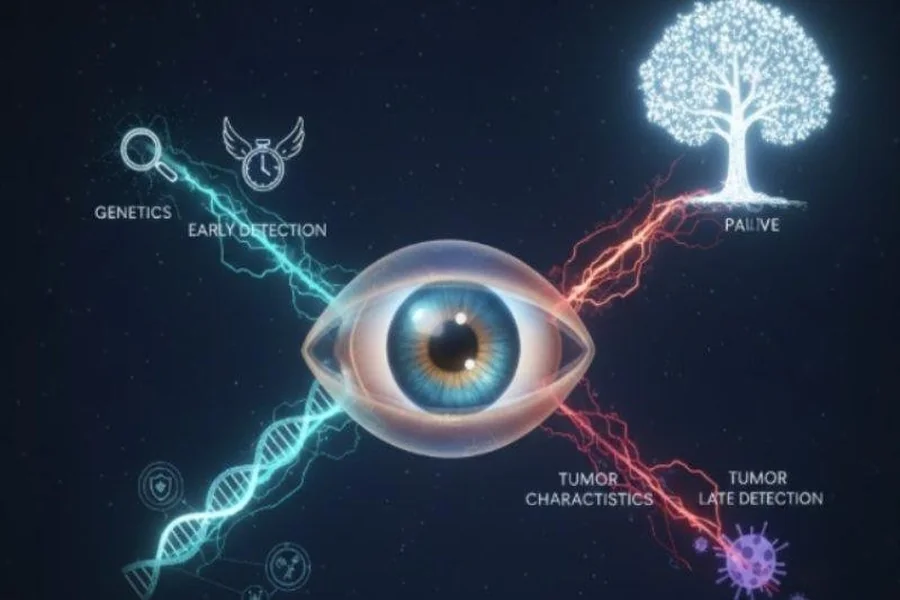
Hearing the word “cancer” connected to your child is one of the most overwhelming moments a parent can face. Retinoblastoma, a rare eye cancer that primarily affects young children often arrives without warning. Yet, there is important reassurance: with today’s medical advancements, most children diagnosed early have a high chance of successful treatment and a healthy future.
For families beginning this journey, one of the biggest concerns is how well their child will recover in medical terms, their prognosis. Understanding what influences outcomes can help you ask the right questions, act quickly, and feel more confident in decisions ahead.
Why Early Detection Makes All the Difference
Retinoblastoma often begins quietly. Parents may only notice a small reflection in photos, a slight misalignment of the eyes, or subtle changes in vision or behavior. Because symptoms can be easy to miss, many families don’t realize anything is wrong until the condition has progressed.
But timing matters. When retinoblastoma is found early, treatments are far more effective not only in saving the child’s life but also in preserving sight. Most cases diagnosed in the early stages are successfully treated with therapies focused only on the eye, avoiding more invasive interventions.
Early detection can dramatically reduce complications, minimize long-term side effects, and improve the child’s visual development. Simply put: the sooner treatment starts, the better the outcome.
Key Factors That Affect Retinoblastoma Prognosis
No two children experience retinoblastoma the same way. Doctors evaluate several important medical details to understand the outlook and build the right treatment plan. The most common factors include:
- Whether one or both eyes are affected
Children with tumors in only one eye generally have a stronger chance of preserving vision in the healthy eye. Cases involving both eyes require more specialized and often intensive treatment. - How far the tumor has spread
When the cancer remains contained within the eye, outcomes are excellent. If it begins to spread outside the eye into nearby tissues or through the optic nerve treatment becomes more complex and the outlook changes significantly. - Genetic involvement
Retinoblastoma related to the RB1 gene mutation can carry additional long-term considerations, including a higher chance of developing another cancer later in life. This impacts surveillance and ongoing care. - Age at diagnosis
Younger children typically respond more favorably to treatment because tumors are often detected earlier.
Understanding these elements helps families better comprehend what specialists mean when discussing retinoblastoma prognosis, and why each situation requires a personalized approach.
Today’s Treatment Options: How They Improve Outcomes
Medical advancements have significantly transformed how retinoblastoma is treated today. Instead of a single approach, specialists now tailor treatment plans based on the tumor’s size, location, and whether one or both eyes are affected. The primary goal is always the same: save the child’s life, while doing everything possible to preserve vision.
Here are the most common treatment methods:
- Laser Therapy & Cryotherapy
These localized approaches target tumors directly inside the eye, eliminating or shrinking them without affecting the rest of the body. - Chemotherapy (Intravenous or Intra-Arterial)
This treatment helps reduce tumor size so that less invasive methods can complete the job. In advanced cases, it remains a key tool for controlling cancer spread. - Radiation Therapy
Used less frequently today due to long-term side effects, but still an option when other treatments are not enough. - Enucleation (Surgical Eye Removal)
Considered only when necessary to save the child’s life, such as when the tumor is very advanced or vision can no longer be preserved.
With early diagnosis, many children receive therapies that allow them not only to survive but to grow up with healthy vision and a bright path forward.
Long-Term Outlook: What Families Should Expect
Finishing treatment is a major milestone that deserves celebration. But care doesn’t end there. Children treated for retinoblastoma typically need long-term monitoring to ensure their eyes remain healthy and that no new concerns develop.
Here’s what specialists commonly focus on after treatment:
- Follow-up eye exams
Regular check-ins allow doctors to detect any recurrence early and protect the child’s remaining or restored vision. - Visual development support
Even when cancer is successfully treated, children may need glasses, therapy for eye coordination, or support adapting to vision changes. - Monitoring for second cancers (in genetic cases)
Families whose children have the RB1 gene mutation receive ongoing guidance and screening to ensure long-term wellness.
Supporting Families Beyond the Hospital
A retinoblastoma diagnosis affects more than just the child; it impacts the entire family. Parents suddenly find themselves managing medical appointments, processing fear and uncertainty, and trying to maintain a sense of normalcy at home.
Support resources play a vital role in easing this emotional weight:
- Psychological and social support
Many families benefit from counseling to help process the stress and maintain resilience through treatment. - Genetic counseling
When the RB1 mutation is present, specialists guide families on what testing means for siblings and future children. - Community and advocacy groups
Connecting with other parents who have experienced retinoblastoma can provide comfort, real-life insights, and encouragement.
Families are not alone in this journey and the right support system can make each step forward feel more manageable.
Stronger Futures With Early Action
Retinoblastoma is a frightening diagnosis for any parent to face. But it is also one of the most treatable childhood cancers when detected early and managed with a personalized care plan. By recognizing symptoms quickly, asking strong questions, and staying engaged throughout treatment and follow-up, families can play an active role in shaping a brighter future for their child.
Today’s advancements in oncology, genetics, and eye-preserving therapies mean that most children not only survive but go on to enjoy healthy, active lives filled with possibility. Knowledge, proactive care, and the right support team make all the difference transforming fear into focus, and uncertainty into hope.