
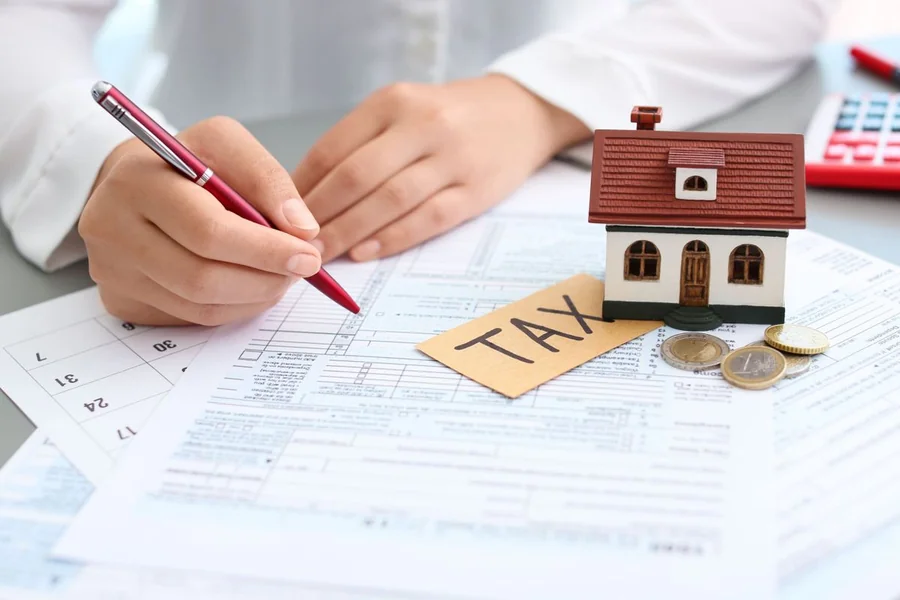
Owning a home brings several financial responsibilities, and among the most important is property tax. Local authorities impose this recurring tax on residential properties. Yet, many first-time homeowners are unsure about how it is assessed, when it must be paid, or how it affects their annual expenses. Misunderstanding property taxes can result in mismanagement of taxes and cause unnecessary fines, interest, or budgetary challenges. Being informed about how it is calculated, its purpose, and the payment process is important for responsible homeownership.
What is Property Tax?
Property tax is a direct tax levied by municipal authorities, panchayats, or city corporations on property owners. It applies to residential buildings, commercial properties, and industrial land. The funds collected through this tax are used to maintain public infrastructure, including roads, street lighting, drainage systems, parks, and local civic amenities. This tax is independent of income tax or any deductions linked to Home Loans. Local authorities assess the tax based on location, size, and use, ensuring that each area contributes fairly to communal services.
Why Property Tax Matters for First-Time Homeowners
For first-time homeowners, understanding property taxes is important for effective financial planning. Here is why it is important:
- Ongoing Cost: Property tax is a recurring expense, due annually or semi-annually, and forms part of the household’s yearly budget.
- Local Services Funding: The funds collected through property taxes help maintain local services, such as roads, parks, and street lighting, which directly impact the community’s quality of life and property values.
- Legal Obligation: Late or missed payments can result in fines, penalties, or legal action from municipal authorities, making timely payment a critical responsibility.
How Property Tax Is Calculated
Property tax is set using different methods across cities and municipalities to ensure charges reflect the property’s value, size, and purpose.
Unit Area Value System (UAV)
Under this system, property tax is calculated by multiplying the built-up area of the property by the price per unit area. The unit price depends on factors such as location, type of construction, intended use, and land value. Cities including Kolkata, Delhi, Bengaluru, Hyderabad, and Patna commonly follow this method. This approach keeps taxes proportionate to the size and quality of the property.
Capital Value System (CVS)
The Capital Value System charges tax as a percentage of the property’s market value. State governments publish property values on public platforms, updating them annually based on location and other factors. Cities such as Mumbai apply this system, which reflects real estate price changes and adjusts tax amounts accordingly.
Annual Rented Value System (ARV)
The ARV method calculates property tax based on the property’s estimated yearly rental value, rather than the rent actually collected. Cities such as Chennai and Hyderabad use this method, ensuring tax payments align with the property’s income potential.
Key Things Every Homeowner Should Know About Property Tax
Understanding property tax helps homeowners manage costs and comply with local regulations.
- Ongoing Expense: Property tax is a recurring cost that may rise as property values increase. Planning for these expenses ensures homeowners can budget effectively and avoid sudden financial pressure.
- Direct Tax Payment: For properties without an active mortgage, taxes must be paid directly to the local authority. For example, a homeowner in Agra would pay the tax to Agra Nagar Nigam, the local municipal body responsible for property tax collection.
- Mortgage and Tax Payments: If a property is under a mortgage, the lender may include property taxes in the monthly loan payments. Lenders typically set aside a portion to ensure taxes are paid on time, simplifying the process for homeowners.
- Payment Deadlines: Property tax is usually due annually or semi-annually, depending on local rules. Deadlines may vary each year and across states. Adhering to these schedules is important to avoid late fees and penalties.
- Challenging the Assessment: If a property appears to be overvalued, homeowners can file an appeal with the local tax office to request a reassessment. A successful appeal may reduce tax liability and ensure fair charges.
- Payment Methods: Property taxes can generally be paid online or offline. Online payments can be made through municipal portals using a stable internet connection and the required documents. Offline payments can be completed at designated municipal offices, where receipts are issued upon successful payment. Most municipalities now offer digital payment options for convenience.
Conclusion
Property tax is a regular financial obligation for homeowners. It supports local services and infrastructure that affect daily life. Knowing how property taxes work and how to manage them can help you avoid surprises and ensure your finances are in order from year to year. By planning, staying informed about local tax rules, and making timely payments, you can make this responsibility a manageable part of homeownership.